


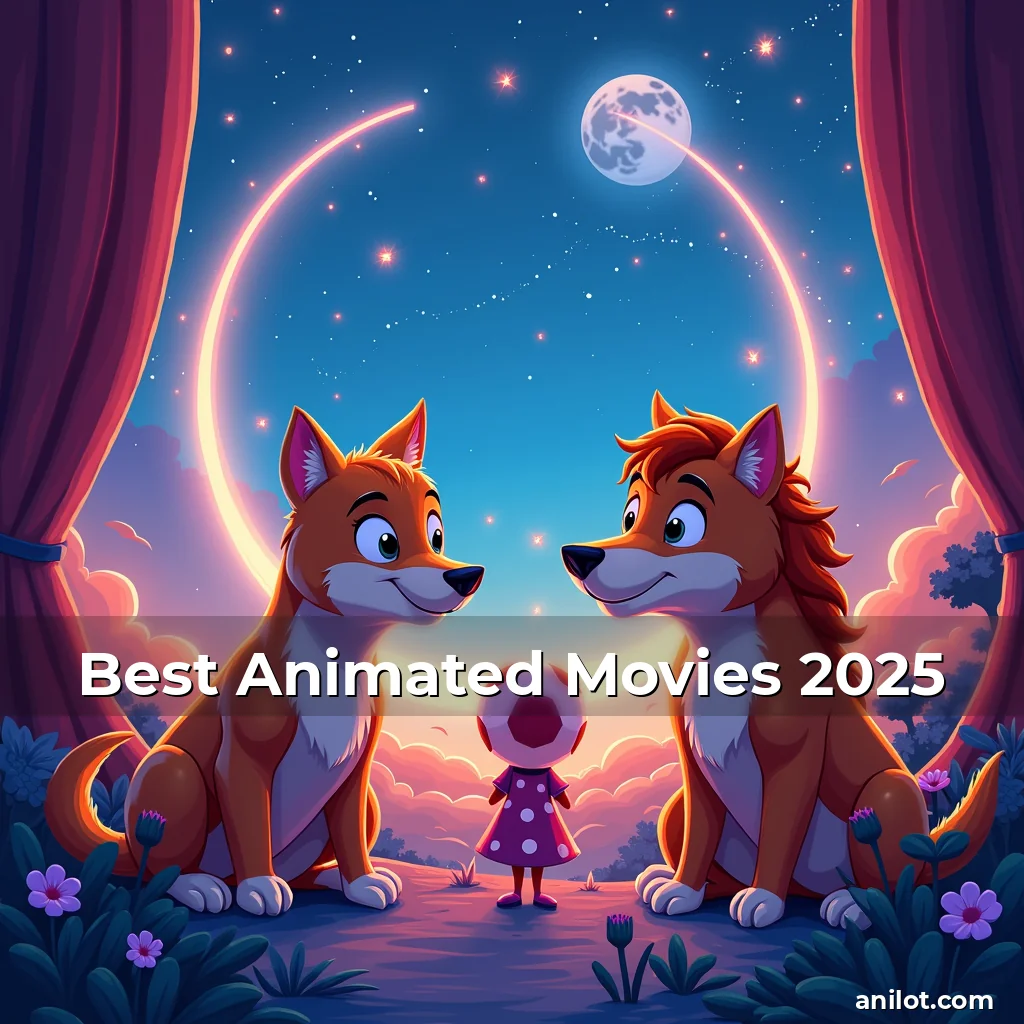
The Timeless Magic of Animated Movies: A Journey Through Artistry and Imagination
In a world where technology continues to evolve at breakneck speed, animated movies remain a beacon of creativity that transcends age, culture, and language. These films have transformed from simple hand-drawn sketches to complex digital masterpieces, capturing the hearts of millions across generations.
Animated cinema has become more than entertainment; it is a powerful medium that conveys deep emotions, explores profound themes, and celebrates human experiences through visual storytelling. The evolution of animation techniques over the decades showcases not only technological advancements but also the boundless imagination of artists worldwide.
The Evolution of Animation: From Hand-Drawn Classics to Digital Realism
The history of animation dates back to the early 20th century when pioneers such as Walt Disney and Lotte Reiniger laid the foundation for what would become a global phenomenon. Their work introduced audiences to the magic of bringing drawings to life, creating stories that captured imaginations around the globe.
In the mid-century, studios like Pixar revolutionized the industry by combining traditional animation with cutting-edge computer graphics. This fusion opened new possibilities for filmmakers, allowing them to create visually stunning worlds filled with intricate details and lifelike characters.
- Pixar’s Influence: By developing groundbreaking technologies like RenderMan, Pixar set new standards for quality and realism in animated films. Their approach emphasized emotional depth alongside technical excellence.
- Cultural Impact: Films such as ‘Toy Story’ broke barriers by proving that animation could be both entertaining and artistically rich, paving the way for future innovations in the field.
The transition from 2D to 3D animation marked a significant turning point in cinematic history. While some purists argue that hand-drawn styles hold irreplaceable charm, modern animations now offer immersive environments that were once unimaginable.
Today’s animators blend various techniques seamlessly—combining stop-motion with CGI—to craft narratives that resonate deeply with viewers. This versatility ensures that animated movies continue to captivate diverse audiences regardless of their preferred style or genre.
Themes That Reshape Our Worldviews: Exploring Depth Beyond Entertainment
Animated films often tackle complex issues subtly while maintaining accessibility for younger audiences. They address topics ranging from identity crises to environmental concerns without overwhelming viewers with heavy-handed messages.
For instance, ‘Inside Out’ delves into mental health by personifying emotions within a child’s mind, offering relatable portrayals of sadness, joy, and anxiety. Such narratives help demystify psychological struggles in ways that are easy to understand yet profoundly meaningful.
This thoughtful integration allows young viewers to develop empathy towards others’ feelings while providing parents with educational tools they can use during discussions about personal well-being.
Movies like ‘Moana’ emphasize cultural heritage and self-discovery, reinforcing values rooted in tradition while encouraging individual growth. These themes foster respect for different cultures and promote understanding among people from varying backgrounds.
Films exploring social justice themes, such as ‘Zootopia,’ highlight prejudices faced by marginalized communities using allegory rather than direct confrontation. This method enables broader conversations about equality and inclusion without alienating any demographic group.
By addressing these real-world challenges through imaginative storytelling, animated movies contribute significantly to shaping positive societal attitudes toward diversity, equity, and mutual respect.
The Power of Voice Acting: Breathing Life Into Characters
Voice acting plays a crucial role in defining character personalities and making animated figures memorable. Skilled actors bring authenticity and nuance to roles, transforming flat scripts into emotionally resonant performances.
Tony Hale’s portrayal of Mr. Incredible in ‘The Incredibles’ exemplifies how voice talent enhances storytelling. His delivery captures humor and vulnerability perfectly, making the character endearing despite his superhuman abilities.
Jennifer Lawrence’s performance as Joy in ‘Inside Out’ demonstrates another facet of vocal artistry. Her energetic tone reflects youthful optimism while adding layers of complexity beneath surface-level cheerfulness.
Exceptional voice casting choices ensure that each character feels distinct yet cohesive within the narrative structure. This attention to detail helps maintain consistency throughout long-running franchises or multi-film sagas.
Moreover, successful voice actors often form strong connections with fans beyond their screen personas. Their presence adds value to fan interactions and merchandise promotions alike, strengthening brand loyalty over time.
Diverse Perspectives: Celebrating Global Voices in Animation
The landscape of animated filmmaking has expanded dramatically thanks to increased representation from international creators who infuse their unique perspectives into every frame. This shift enriches storytelling traditions globally and introduces fresh ideas previously underrepresented in mainstream media.
Miyazaki’s Studio Ghibli remains synonymous with Japanese anime mastery, blending fantasy elements with philosophical inquiries about nature versus industrialization. Works like ‘Spirited Away’ showcase meticulous craftsmanship combined with ecological awareness rarely seen elsewhere.
South Korea’s ‘Big Bug Man’ reimagines classic monster mythology through contemporary lenses, challenging conventional notions of heroism amidst chaos caused by monstrous creatures threatening civilization itself.
African cinema contributes compelling narratives too, as evidenced by ‘Kurushida.’ This film explores post-colonial identities through surreal visuals and poetic dialogue that reflect regional complexities accurately without stereotyping.
Latin American productions such as ‘The Book of Life’ celebrate indigenous folklore while promoting cross-cultural appreciation between Mexico and other nations through vibrant celebrations depicted authentically.
These examples illustrate how embracing multicultural viewpoints leads to richer cinematic experiences that challenge assumptions about universal truths found within global mythologies and histories alike.
Educational Value: Learning Through Laughter and Adventure
Beyond mere entertainment, many animated features serve dual purposes by embedding educational content within engaging plots. Children absorb lessons naturally through adventures involving magical creatures or historical events presented playfully rather than didactically.
‘Finding Nemo’ teaches patience and perseverance through Marlin’s quest to find his son Nemo against all odds. Its depiction of ocean ecosystems also provides subtle learning opportunities regarding marine biology and conservation efforts.
Disney’s ‘Robin Hood’ creatively adapts medieval tales using anthropomorphic animals, demonstrating how adaptability fosters resilience even in difficult circumstances faced daily by wildlife species struggling for survival.
‘The Lion Guard’ series illustrates teamwork dynamics essential for leadership success in both fictional kingdoms and real-life scenarios requiring collaborative problem-solving skills amongst peers working together toward common goals.
Such integrations make acquiring knowledge enjoyable instead of burdensome, ensuring lifelong curiosity develops organically through repeated viewings and shared family experiences centered around beloved animated classics.
Technological Advancements Driving Innovation in Modern Animations
Rapid developments in software engineering continually reshape how animation professionals create content today. Tools like Maya and Blender enable artists to design highly realistic textures and lighting effects unachievable manually before digital rendering became commonplace.
Advances in motion capture technology allow performers’ physical movements to translate precisely onto digital avatars, resulting in more expressive facial expressions capable of conveying nuanced emotions effectively even when characters lack actual bodies.
Holographic projection systems being tested currently suggest potential future applications wherein live-action sequences might integrate seamlessly with fully rendered animated scenes without visible boundaries separating reality from fiction.
Data analytics now assist writers and directors predict audience preferences based on viewing patterns observed online prior to theatrical releases, helping tailor storylines accordingly for optimal engagement levels during premieres nationwide.
Artificial intelligence algorithms trained on vast libraries of existing works generate preliminary drafts suggesting plot structures likely appealing to target demographics identified beforehand via market research conducted exclusively through virtual platforms accessible remotely anytime anywhere.
Environmental Awareness: Nature as Both Setting and Message
Nature frequently serves double duty in animated films—not merely as background scenery but also as central thematic element emphasizing environmental stewardship responsibilities we all share collectively irrespective of geographical location or socioeconomic status.
‘Avatar’ presents an alternate Earth-like planet inhabited by Na’vi people whose symbiotic relationship with environment contrasts sharply against corporate exploitation motives driven solely by profit maximization priorities usually absent among native populations respecting natural balance inherently ingrained culturally since birth.
While primarily aimed at adult audiences due to its mature themes surrounding colonialism and militarization conflicts, ‘Avatar’ still manages to impart vital lessons about preserving biodiversity and honoring indigenous wisdom passed down orally through generations living harmoniously with land instead of dominating it forcefully.
Sometimes less overtly political approaches succeed equally well, such as ‘Over the Hedge,’ which gently nudges viewers toward reconsidering waste management practices through humorous encounters featuring raccoons navigating suburban landscapes littered carelessly by humans neglectful of recycling programs available locally everywhere nowadays.
Regardless of whether messaging comes across strongly or softly, consistent emphasis placed upon ecological consciousness throughout numerous animated offerings ultimately cultivates greater public interest in sustainable living initiatives undertaken voluntarily outside governmental mandates imposing regulations universally applicable everywhere simultaneously without exception whatsoever.
Conclusion
The enduring appeal of animated movies lies in their ability to transport us to fantastical realms while reflecting our own realities back at us with clarity and compassion. Whether through whimsical adventures or poignant dramas, these films remind us why storytelling matters so profoundly in connecting individuals across differences that may seem insurmountable otherwise.
To experience the full spectrum of what animated cinema offers, seek out lesser-known gems alongside blockbusters. Explore diverse voices contributing uniquely valuable perspectives that expand horizons continuously pushing artistic boundaries further outward evermore.


news is a contributor at AniLot.com. We are committed to providing well-researched, accurate, and valuable content to our readers.
You May Also Like

The Art and Impact of Educational Animal Animation in Modern Learning Environments
The Art and Impact of Educational Animal Animation in Modern Learning Environments Educational animal animation has emerged as a powerful...

Trying Not to Laugh Funny Animal Videos
Trying Not to Laugh Funny Animal Videos Funny animal videos have become a global phenomenon, capturing hearts and sparking laughter...

Anime Animated Movies
The Enchanting World of Anime Animated Movies: A Journey Through Timeless Tales In the realm of animated cinema, few genres...
Cartoon Animals Memes
The Endless Delight of Cartoon Animals in Popular Culture In today's vibrant digital landscape, cartoon animals have become a cornerstone...