


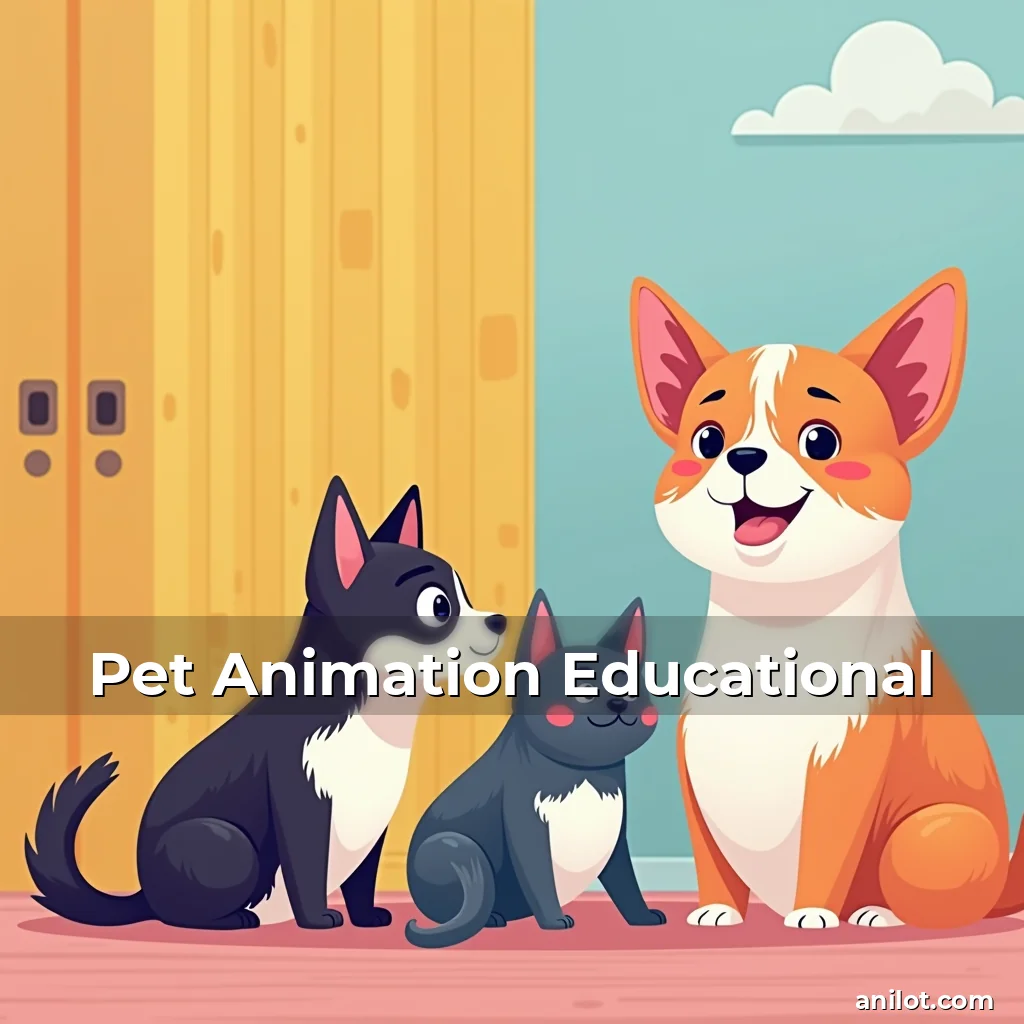
Pet Animation Educational
In recent years, the intersection of technology and creativity has birthed new forms of expression, none more captivating than pet animation. From whimsical digital companions to lifelike virtual creatures, pet animation blends artistry with innovation, offering endless possibilities for storytelling and interaction.
The rise of platforms dedicated to animation and interactive media has fueled a surge in interest among creators and audiences alike. For the Anilot community and others passionate about this niche, understanding the fundamentals, techniques, and cultural impact of pet animation opens doors to both artistic fulfillment and professional opportunities.
The Evolution of Pet Animation
Pet animation traces its roots back to early cartooning traditions, where anthropomorphic animals became staples of visual humor and narrative. Think of Looney Tunes’ Bugs Bunny or Disney’s Goofy—these characters were pioneers in blending animal traits with human-like personalities.
As technology advanced, so did the complexity of pet animation. The advent of computer-generated imagery (CGI) in the late 20th century allowed animators to explore hyper-realistic movements, textures, and expressions previously unattainable through traditional hand-drawn methods.
- Early Beginnings: Hand-drawn sketches and stop-motion techniques laid the groundwork for character design and motion capture.
- Digital Revolution: Software like Adobe Flash and Maya transformed pet animation into a dynamic, scalable medium accessible to global creators.
Todays pet animation spans diverse formats—from mobile app avatars to immersive VR experiences. This versatility ensures its relevance across industries, including entertainment, education, and mental health therapy.
Creative Techniques in Pet Animation
Creating compelling pet animations requires mastery of both technical skills and artistic intuition. Key principles such as squash-and-stretch, anticipation, and timing form the foundation of expressive movement.
Animators often begin with concept art, sketching out the core characteristics of their pet character. This includes defining physical attributes, personality quirks, and the environments in which the character interacts.
Tools of the Trade
Modern animators rely on specialized software to bring ideas to life. Programs like Blender offer free, open-source solutions for 3D modeling and rigging, while Toon Boom Harmony caters to high-end studio production workflows.
For those focused on 2D animation, tools like Krita and OpenToonz provide robust alternatives to commercial options. Additionally, AI-driven platforms such as Runway ML are revolutionizing asset creation and motion generation.
Hardware also plays a crucial role. High-performance GPUs accelerate rendering times, while motion-capture suits enable precise replication of real-world movements for realistic animations.
Selecting the right toolset depends on project scope, budget, and personal preference. Experimentation and continuous learning remain vital for staying competitive in this rapidly evolving field.
Storytelling Through Pet Characters
Pet animation thrives on emotional resonance. Whether evoking laughter, nostalgia, or empathy, well-developed characters become vessels for universal themes. A mischievous dog chasing a bouncing ball can mirror childhood innocence; a timid rabbit overcoming fears parallels human struggles.
Screenwriters and animators collaborate closely to craft narratives that align with the chosen pet’s personality. Dialogue, voice acting, and visual cues work harmoniously to deepen audience connection.
Consider the success of “Finding Nemo,” where Marlin’s protective instincts drive the plot forward. Similarly, in independent projects, pet-centric stories often tackle social issues, environmental concerns, or psychological challenges in subtle, impactful ways.
Beyond film, interactive media allows users to shape outcomes. Games featuring customizable pet companions encourage player investment through choices that influence story arcs and relationships.
Educational Applications of Pet Animation
Education benefits immensely from pet animation’s ability to simplify complex subjects. Animated pets serve as relatable guides in teaching biology, mathematics, or language skills to children and adults alike.
Studies show that incorporating animated characters improves retention rates by up to 68% compared to static visuals alone. Interactive lessons featuring talking animals transform abstract concepts into tangible experiences.
Case Study: Animal Planet’s Learning Series
A notable example comes from Animal Planet’s partnership with educational institutions. Their series uses animated pets to explain ecosystems, migration patterns, and conservation efforts through engaging simulations and quizzes.
Students interact with virtual animals that respond dynamically to questions, providing instant feedback and encouragement. Teachers report increased participation and reduced anxiety around difficult topics.
This model highlights how pet animation bridges gaps between formal curricula and informal learning, making knowledge acquisition enjoyable and inclusive.
The Role of Community in Pet Animation
Communities like Anilot play pivotal roles in nurturing talent and fostering collaboration. Online forums, workshops, and shared repositories allow artists to exchange techniques, critique work, and stay updated on emerging trends.
Mentorship programs pair experienced professionals with newcomers, accelerating skill development. Crowdsourced projects further democratize access to resources, enabling collective creativity regardless of individual expertise levels.
Events such as annual animation festivals showcase groundbreaking works while celebrating diversity in styles and perspectives. These gatherings strengthen bonds within the community and attract wider recognition for pet animation as a legitimate art form.
Social media amplifies visibility, allowing creators to build personal brands and engage directly with fans. Hashtags like #PetAnimationCommunity help organize discussions and promote cross-pollination of ideas globally.
Ethical Considerations in Pet Animation
While pet animation offers boundless creative potential, ethical dilemmas arise concerning representation and responsibility. Animators must consider implications of depicting real animals versus fictionalized versions.
Accuracy matters deeply in educational contexts. Misrepresenting species behaviors or habitats risks misinformation, especially when targeting younger audiences or scientific literacy initiatives.
Additionally, copyright laws govern the use of existing characters or trademarks. Originality safeguards against legal disputes but also encourages innovation through derivative works inspired by classic archetypes.
Environmental messaging embedded in pet animation carries weight too. Projects promoting wildlife preservation should avoid exploitative tropes that reduce animals to mere props rather than respected beings.
Futuristic Trends Shaping Pet Animation
The integration of artificial intelligence promises transformative changes in pet animation. AI algorithms can predict optimal frame sequences, automate tedious tasks like background painting, and even generate original scripts based on thematic inputs.
Augmented reality (AR) applications allow pet animations to inhabit real-world spaces via smartphones or smart glasses. Imagine walking your neighborhood with a digital companion reacting to surroundings in real-time!
Blockchain technology introduces novel monetization models through non-fungible tokens (NFTs). Unique pet animations stored securely on decentralized ledgers open avenues for collectibles, exclusive content, and direct artist-fan transactions.
These innovations challenge conventional notions of ownership, authorship, and distribution. As technologies mature, we may witness entirely new genres emerge from this convergence of fields.
Getting Started With Pet Animation
Newcomers often feel overwhelmed by the breadth of knowledge required. However, structured learning paths exist to guide individuals from novices to proficient practitioners over time.
Begin with foundational courses covering anatomy, perspective drawing, color theory, and basic physics principles relevant to motion depiction. Practice regularly through simple exercises before tackling complex scenes.
Join local clubs or online groups to receive constructive criticism and participate in collaborative challenges. Consistent practice paired with community support significantly accelerates progress.
Explore free tutorials on YouTube channels specializing in animation basics. Many professional studios release behind-the-scenes footage revealing lesser-known secrets of their workflow.
Conclusion
Pet animation stands at the forefront of digital creativity, merging tradition with cutting-edge innovation. Its appeal spans cultures, ages, and mediums, proving its adaptability and enduring charm.
Whether you’re drawn to crafting whimsical companions or exploring serious narratives through animated pets, this field invites limitless experimentation. Embrace the journey, stay curious, and let imagination lead the way toward unforgettable creations.


news is a contributor at AniLot.com. We are committed to providing well-researched, accurate, and valuable content to our readers.
You May Also Like

The Artistry of Wildlife Animation: Bringing Nature's Wonders to Life Through Digital Storytelling
The Artistry of Wildlife Animation: Bringing Nature's Wonders to Life Through Digital Storytelling In the vibrant world of digital media,...
The Enchanting World of Animated Wildlife Stories: A Journey Through Nature's Living Tales
The Enchanting World of Animated Wildlife Stories: A Journey Through Nature's Living Tales In an age where digital media dominates...


The Magic of Kids Animation: A Journey Through Creativity and Imagination
The Magic of Kids Animation: A Journey Through Creativity and Imagination Kids animation has transformed from simple hand-drawn sketches to...
Funny Animal Videos Montage
The Unstoppable Rise of Funny Animal Videos: A Digital Age Phenomenon In an era where digital entertainment is king, funny...