


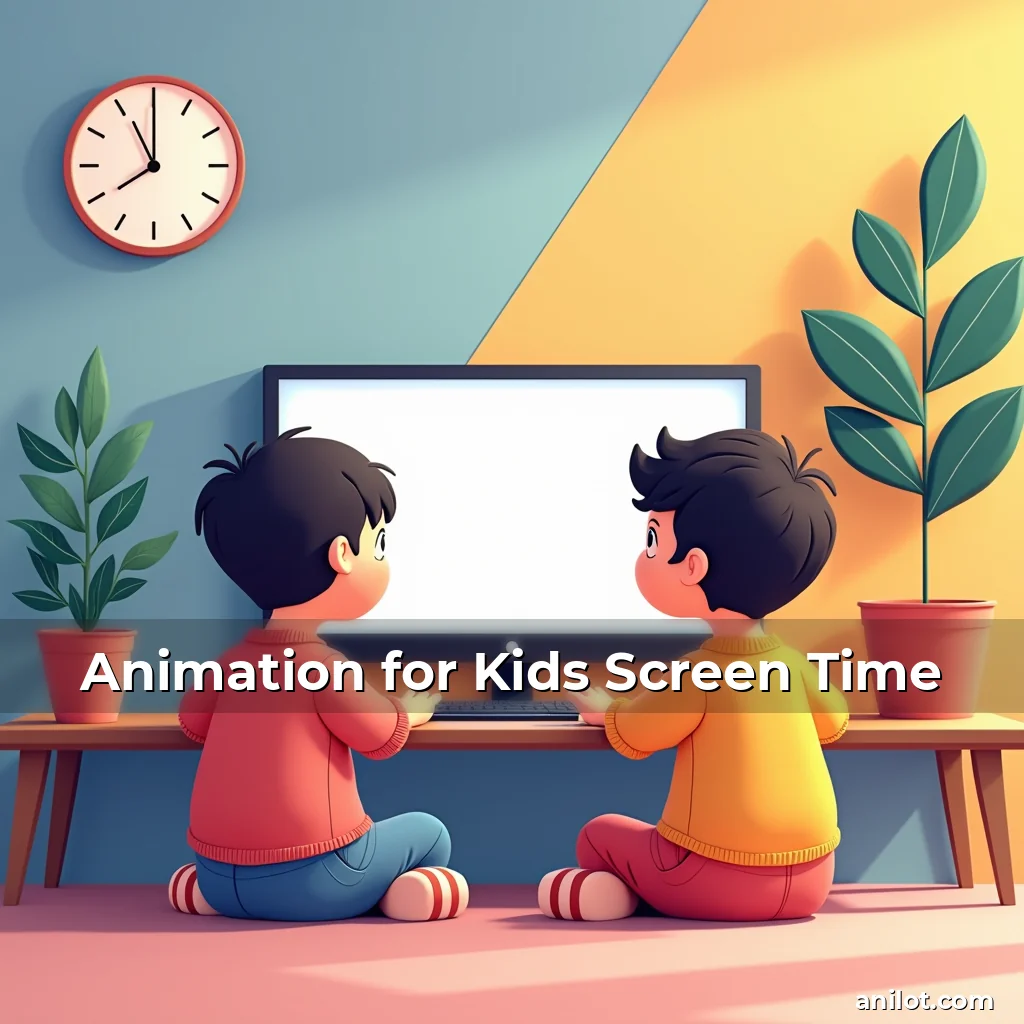
Animation for Kids Screen Time
In today’s digital age, animation has become a powerful tool for engaging children across various platforms, from television shows to mobile apps. Its vibrant visuals, interactive features, and storytelling potential offer both entertainment and educational value, making it a popular choice among parents and educators alike.
The rise of streaming services and kid-friendly apps has made animated content more accessible than ever before. However, balancing screen time with other developmental activities remains crucial for ensuring healthy growth and learning experiences.
The Role of Animation in Child Development
Animated media plays a significant role in shaping young minds by fostering creativity, enhancing language skills, and promoting problem-solving abilities. Through colorful characters and dynamic narratives, children learn to interpret complex emotions and situations in a safe environment.
Research indicates that exposure to well-crafted animation can improve attention spans and memory retention in preschoolers. This is especially true when stories incorporate repetition, sequencing, and visual cues that align with early childhood learning principles.
- Cognitive Benefits: Animated shows often introduce logical sequences, cause-and-effect relationships, and spatial awareness through visual storytelling techniques.
- Social Skills: Characters interacting in diverse scenarios teach empathy, cooperation, and conflict resolution in ways that resonate with young audiences.
- Linguistic Growth: Dubbed animations expose children to new vocabulary, pronunciation patterns, and grammatical structures from different languages and cultures.
When paired with guided discussions, animated content becomes a springboard for deeper conversations about values, ethics, and real-world applications. Parents who engage actively during viewing sessions enhance their child’s comprehension and critical thinking skills significantly.
Educational animators design programs specifically targeting numeracy, literacy, and science concepts through playful, visually stimulating formats. These lessons are embedded naturally within storylines rather than presented didactically, which increases engagement levels dramatically.
A balanced approach ensures that while animation provides enrichment opportunities, it doesn’t replace hands-on exploration or face-to-face social interactions vital for holistic development.
Selecting Age-Appropriate Animated Content
Choosing the right animation for your child requires careful consideration of developmental stages, maturity levels, and individual interests. Not all cartoon series are equally beneficial, and some may contain inappropriate themes or messages.
Parents should prioritize animations with clear moral frameworks, positive role models, and constructive problem-solving approaches. Shows featuring teamwork, perseverance, and kindness tend to reinforce desirable behaviors effectively.
Evaluating Content Ratings and Reviews
Official ratings systems such as Common Sense Media provide detailed summaries highlighting age appropriateness, thematic elements, and potential concerns. Reading reviews from trusted sources helps identify hidden issues like excessive violence or stereotyping.
Watching episodes together allows adults to gauge whether content aligns with family values and observe how children respond emotionally. Pausing to discuss confusing scenes or questionable decisions encourages reflective thinking processes.
Look for animations that encourage active participation, such as those prompting viewers to solve puzzles, sing along, or mimic character actions. Interactive elements promote physical movement and sensory integration alongside mental stimulation.
The Educational Power of Animated Learning Tools
Modern educational technology leverages animation to
Establishing daily limits based on recommended guidelines—such as one hour of quality screen time per day for preschoolers—helps prevent overexposure without sacrificing educational advantages. Quality matters more than quantity in determining content impact.
Incorporating outdoor adventures, creative arts, and structured physical activity complements digital learning experiences effectively. Hands-on experimentation with materials expands sensory perception capacities beyond what screens alone can offer.
Family game nights featuring board games, card games, or sports provide social interaction alternatives that strengthen emotional bonds while developing strategic thinking abilities. These non-screen-based activities contribute to overall wellness outcomes positively.
Tips for Managing Children’s Exposure to Animated Media
Prioritize co-viewing sessions to monitor content relevance and facilitate meaningful post-watching discussions. Asking open-ended questions about character motivations or plot resolutions enhances analytical thinking capabilities.
Encourage alternative forms of entertainment such as reading books, playing musical instruments, or exploring nature trails. Diversifying recreational choices promotes well-rounded personal growth trajectories.
Future Trends in Kid-Friendly Animation Technology
Advancements in augmented reality (AR) and artificial intelligence (AI) promise innovative transformations in how children interact with animated content. Virtual reality headsets now enable fully immersive experiences previously unimaginable for young users.
Smart toys equipped with AI processors adapt responses dynamically based on children’s inputs, creating personalized learning journeys tailored precisely to each learner’s pace and preferences.
Interactive e-books combine illustrated stories with touch-sensitive pages allowing kids to manipulate objects within narratives physically. This tactile component bridges gaps between digital and real-world interactions seamlessly.
Cloud-based animation creation platforms empower remote collaboration possibilities among global teams working on shared projects. These technologies democratize access to creative expression regardless of geographical constraints.
As neural interface technologies mature, we may soon witness direct brain-computer connections enabling thought-controlled animation creation methods revolutionizing current paradigms completely.
Conclusion
Animation serves as both an entertaining medium and an effective teaching tool capable of supporting diverse aspects of child development comprehensively. Thoughtful selection and mindful usage maximize its potential while minimizing risks associated with unregulated exposure.
To optimize benefits from animated content, integrate regular parent-child discussions, implement smart scheduling strategies, and supplement digital experiences with enriching offline activities systematically. This balanced approach nurtures well-adjusted individuals prepared for lifelong success paths confidently.


news is a contributor at AniLot.com. We are committed to providing well-researched, accurate, and valuable content to our readers.
You May Also Like


The Enchanting World of Animated Wildlife Stories: A Journey Through Nature's Living Tales
The Enchanting World of Animated Wildlife Stories: A Journey Through Nature's Living Tales In an age where digital media dominates...

Cutest Funny Animal Videos
Cutest Funny Animal Videos That Will Leave You Laughter-Hoarse Funny animal videos have become a global phenomenon, blending humor with...
The Evolution of Superhero Television
The world of superheroes has captivated audiences for decades, with the medium of television playing a pivotal role in bringing...

Wildlife Animation Conservation Messages
Wildlife Animation Conservation Messages In today's digital age, wildlife animation has emerged as a powerful medium to spread awareness about...