


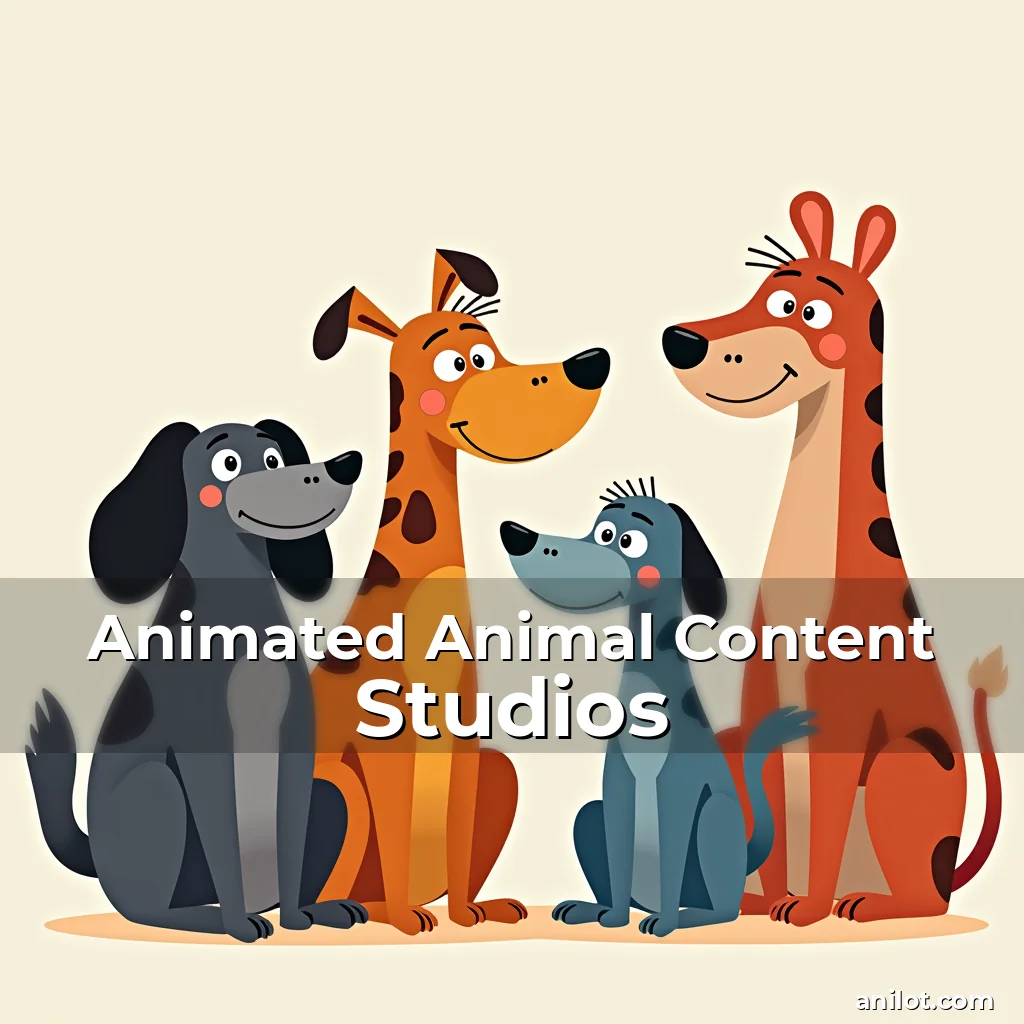
The Enchanting World of Animated Animal Content Creation
Animated animal content has become a vibrant force within digital media, captivating audiences worldwide through its blend of creativity, storytelling, and visual artistry. This dynamic medium brings together artists, writers, and animators who specialize in crafting stories centered around animals, often imbued with anthropomorphic traits that allow viewers to connect emotionally while exploring themes ranging from friendship and adventure to environmental awareness.
In recent years, platforms such as YouTube, TikTok, and streaming services have witnessed an explosion of animated animal content, showcasing diverse formats including web series, educational documentaries, and interactive games. These creations not only entertain but also serve as powerful tools for education and advocacy, making them essential components of modern media landscapes.
The Evolution of Animated Animal Content
Animated animal content traces its roots back to early cartoons where simple drawings brought creatures to life with exaggerated movements and expressions. Pioneering works like Walt Disney’s “The Three Little Pigs” introduced anthropomorphized animals that could speak and interact, setting a precedent for future generations of creators.
As technology advanced, so did the complexity and realism of these animations. From hand-drawn celluloid frames to computer-generated imagery (CGI), each innovation expanded creative possibilities. Today’s animated animal productions can feature lifelike textures, intricate environments, and nuanced character development that was once unimaginable.
- Pioneer Era: Early 20th century saw rudimentary forms of animation using flipbooks and stop-motion techniques.
- Digital Revolution: Introduction of CGI allowed for greater flexibility in depicting animal behavior and habitats.
Key Themes in Animated Animal Content
One prominent theme is the exploration of human-animal relationships, often highlighting mutual respect and understanding across species boundaries. Stories frequently depict animals facing challenges similar to those experienced by humans, fostering empathy among younger audiences.
Environmental messages are another recurring motif, emphasizing conservation efforts and ecological balance. Through imaginative narratives, these films educate viewers about endangered species, habitat destruction, and sustainable living practices without feeling overtly didactic.
Notable Examples
“Finding Nemo,” produced by Pixar Animation Studios, exemplifies how animated animal content can combine entertainment with critical social commentary regarding oceanic ecosystems. Its portrayal of marine life and threats posed by pollution resonated globally, sparking conversations about environmental stewardship.
Similarly, DreamWorks’ “Madagascar” series uses humor and adventure to explore issues related to wildlife preservation while maintaining a light-hearted tone suitable for family viewing. Such examples demonstrate effective integration of educational elements within entertaining frameworks.
Crafting Compelling Narratives Around Animals
Creating compelling storylines involves careful consideration of both plot structure and character dynamics. Writers often draw inspiration from real-world behaviors observed in various species, adapting them creatively to fit narrative needs while ensuring authenticity remains intact.
Character development plays a crucial role; well-defined personalities help establish emotional connections between characters and audiences. Whether it’s a clever fox or a brave rabbit, relatable traits enable viewers to invest themselves deeply in the journey depicted on screen.
Technological Innovations Shaping Modern Animations
Advancements in motion capture technology now allow filmmakers to translate live-action performances into seamless digital animations. This technique enhances accuracy when portraying complex animal movements previously difficult to animate realistically.
Artificial intelligence is increasingly being employed during pre-production stages to generate preliminary sketches based on textual descriptions provided by scriptwriters. AI-assisted design accelerates concept development processes significantly compared to traditional methods alone.
Educational Impact of Animated Animal Media
Beyond mere entertainment value lies substantial educational potential embedded within many animated features targeting children aged three to twelve years old. These programs incorporate factual information subtly woven into engaging plots designed specifically for young learners.
Interactive learning modules integrated into some animated shows encourage active participation rather than passive consumption. By prompting users to solve puzzles or make decisions affecting storyline outcomes, they promote cognitive engagement at multiple developmental levels simultaneously.
The Role of Community Engagement in Animated Animal Projects
Fosters stronger audience connections by inviting fans into collaborative creation spaces where ideas contribute directly towards final product realization. Social media polls determining next episode twists represent just one method enhancing viewer investment beyond initial watching experience.
Community involvement extends beyond online interactions; fan conventions featuring Q&A sessions with production teams provide deeper insight into behind-the-scenes operations. This transparency builds trust and appreciation amongst supporters keenly invested in project success.
Challenges Faced Within Animated Animal Industry
Navigating ethical considerations surrounding animal representation poses ongoing dilemmas faced regularly by content producers aiming to strike delicate balances between artistic expression and responsible depiction. Ensuring accurate portrayals requires extensive research conducted prior to beginning any given project phase.
Licensing agreements involving intellectual property rights complicate matters further whenever incorporating recognizable fictional characters created elsewhere necessitates negotiation processes beforehand to avoid legal complications later down line.
Futuristic Directions For Animated Animal Storytelling
Emerging technologies promise exciting transformations poised to redefine what constitutes standard practice moving forward. Virtual reality experiences enabling immersive explorations alongside animated companions offer unprecedented opportunities redefining conventional notions regarding interactive entertainment mediums available today.
Augmented reality applications superimposing digitally rendered animal figures onto physical surroundings create novel ways interacting with familiar yet fantastical entities right within everyday settings. These innovations suggest promising directions awaiting exploration soon enough.
Conclusion
Animated animal content continues evolving rapidly driven largely by technological progressions coupled with growing demand for high-quality storytelling experiences encompassing diverse subject matter areas relevant today’s society.
To fully appreciate this ever-expanding field, aspiring creators must remain open-minded toward experimenting new approaches continually pushing boundaries set before them while respecting foundational principles established long ago shaping current industry standards effectively.


news is a contributor at AniLot.com. We are committed to providing well-researched, accurate, and valuable content to our readers.
You May Also Like

Realistic Pet Animation
The Artistry Behind Realistic Pet Animation: A Deep Dive into Capturing Furry Friends in Motion In the ever-evolving world of...
The Enchanting World of Animated Wildlife Stories: A Journey Through Nature's Living Tales
The Enchanting World of Animated Wildlife Stories: A Journey Through Nature's Living Tales In an age where digital media dominates...
Animal Characters Evolution Over Time
The Enchanting World of Animal Characters Through History and Culture In every corner of human civilization, animal characters have played...
The Enchanting World of Animal Characters in Literature, Art, and Culture
The Enchanting World of Animal Characters in Literature, Art, and Culture In every corner of human creativity, from ancient cave...