


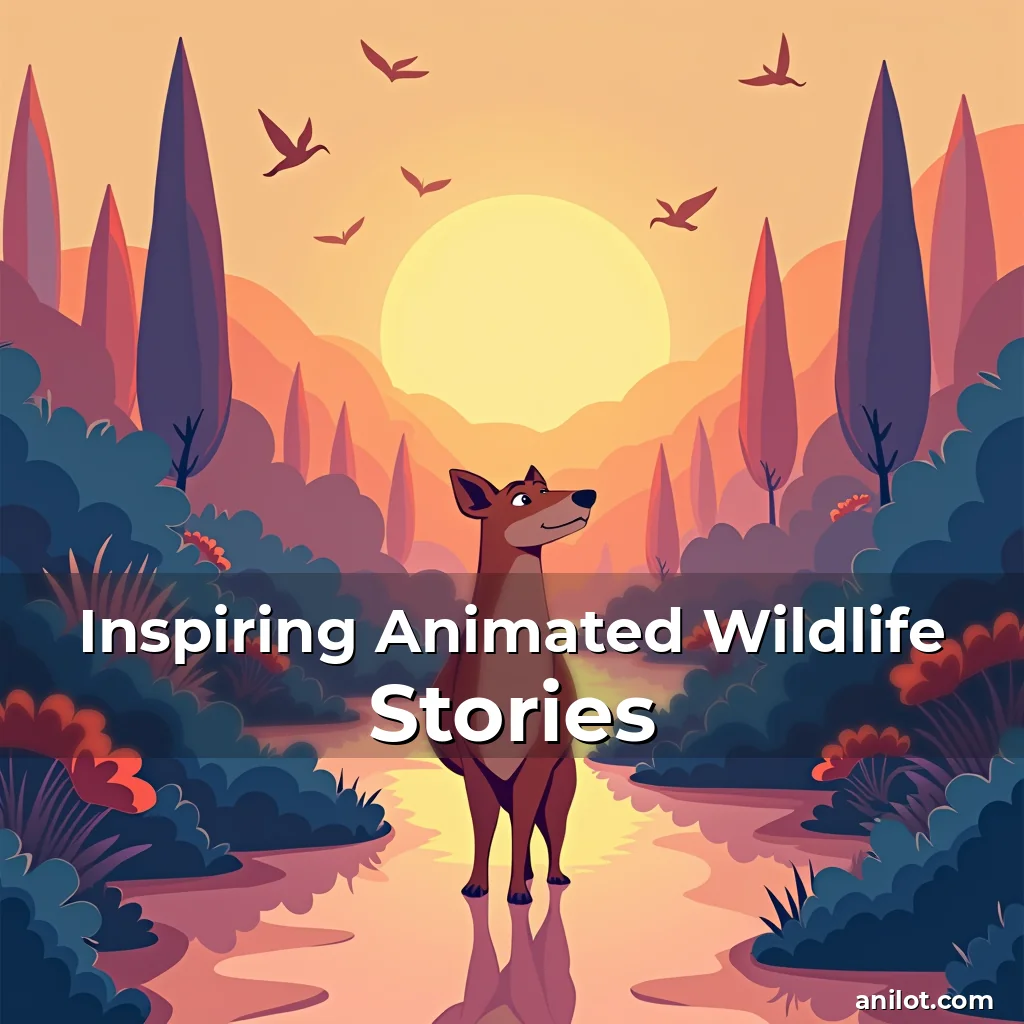
Inspiring Animated Wildlife Stories
Animated wildlife stories have captivated audiences worldwide by blending artistry with education, creating immersive experiences that highlight nature’s beauty and complexity. These narratives bring animals and ecosystems to life through vivid animation techniques, making them accessible even to those who may never step foot in a forest or ocean.
The magic lies in their ability to simplify complex ecological relationships while sparking curiosity and empathy towards the natural world. From animated films to digital platforms, these stories serve both entertainment and environmental awareness purposes.
The Rise of Animated Wildlife Narratives
The evolution of technology has revolutionized how we tell wildlife stories, allowing creators to craft visually stunning animations that were once unimaginable. High-definition rendering, motion capture, and artificial intelligence now enable animators to depict animal behaviors with remarkable accuracy.
This technological advancement has opened new avenues for storytelling, enabling educators and conservationists to convey critical messages about biodiversity loss and climate change in ways that resonate deeply with viewers of all ages.
Animated wildlife documentaries such as “Our Planet” and “Planet Earth II” exemplify how modern animation can transform scientific data into compelling visual spectacles without compromising educational value.
- Immersive Storytelling: Animations transport audiences to remote habitats using virtual environments that replicate real-world conditions accurately.
- Educational Value: These stories often include factual information about species behavior, migration patterns, and ecosystem interdependencies woven seamlessly into narrative arcs.
- Cultural Impact: By featuring diverse wildlife from different regions globally, they foster cross-cultural understanding and appreciation for global biodiversity.
Engaging Audiences Through Interactive Media
Digital platforms now offer interactive animated wildlife experiences where users can explore ecosystems virtually or participate in simulated wildlife rescue missions. This level of engagement transforms passive viewing into active learning.
Interactive media also allows personalized exploration paths, letting individuals choose which aspects of an environment they want to investigate further—whether tracking predator-prey dynamics or studying plant-animal interactions.
Case Study: National Geographic’s Digital Explorers Program
National Geographic’s initiative provides a prime example of interactive wildlife storytelling through its online platform. Users navigate 3D-rendered landscapes filled with authentic animal models reacting dynamically based on user input.
Data collected from millions of interactions helps researchers understand public perceptions of endangered species better than traditional surveys ever could. It simultaneously serves as entertainment and citizen science tool.
Creative Techniques in Wildlife Animation
Animators use various artistic approaches—from stop-motion puppetry to CGI—to represent wildlife realistically. Each technique brings unique advantages depending on desired outcomes and available resources.
Stop-motion animation offers tactile realism ideal for depicting intricate details in textures and movements that might be challenging with purely digital methods. Meanwhile, CGI enables seamless integration of creatures within vast natural settings.
Hybrid approaches combining physical sets with digital enhancements are increasingly common. For instance, live-action footage of actual animals used alongside computer-generated elements creates hybrid narratives that feel both authentic and imaginative.
Preserving Authenticity While Innovating Visually
Balancing creative freedom with scientific accuracy remains crucial when developing animated wildlife stories. Artists must ensure depictions align closely with biological facts while still maintaining narrative appeal.
Consultation with biologists during pre-production phases ensures correct portrayal of animal anatomy, movement patterns, and habitat specifics essential for authenticity. Such collaboration prevents misrepresentation that could lead to misinformation among younger audiences.
The Role of Sound Design in Wildlife Animation
Soundscapes play a vital role in enhancing immersion by replicating ambient noises found in each depicted ecosystem. Carefully curated audio layers create atmospheres ranging from dense rainforests to arid deserts effectively.
Field recordings combined with synthesized sounds help recreate realistic auditory environments. These sonic cues guide audience attention toward key story moments naturally rather than relying solely on visual stimuli.
Dynamic sound design adapts according to scene transitions, ensuring continuity between different habitats shown sequentially within one film or series episode.
Cultivating Environmental Awareness Through Narrative Arcs
Well-crafted plotlines within animated wildlife stories emphasize themes related to survival challenges faced daily by wild animals across continents. These plots humanize non-human characters sufficiently without anthropomorphizing them excessively.
Stories often follow protagonists overcoming obstacles due to environmental threats like deforestation or pollution. The emotional journeys mirror real-life struggles experienced by many species today.
By highlighting successful conservation efforts featured within these tales, creators inspire hope and encourage proactive participation in protecting natural habitats beyond mere spectatorship.
Community Engagement and Educational Outreach Programs
Many organizations leverage animated wildlife stories as tools for community-based education initiatives targeting schools and local communities. Workshops incorporating animated content provide hands-on learning opportunities focused on ecology topics.
Virtual reality installations paired with animated narratives allow students to experience first-hand encounters with exotic wildlife safely within controlled environments designed specifically for educational purposes.
Fostering Global Collaboration in Wildlife Conservation Efforts
International collaborations facilitated through shared animated projects promote cross-border understanding regarding global environmental issues affecting wildlife populations universally. Shared resources and knowledge accelerate solutions development.
Collaborative ventures involving artists from diverse backgrounds enrich storytelling perspectives significantly. Differing cultural interpretations contribute uniquely to universal themes concerning coexistence between humans and nature.
Such partnerships also strengthen diplomatic ties indirectly by focusing on mutually beneficial goals centered around preserving planet health collectively.
Evolving Trends in Wildlife Animation Technology
Emerging technologies continue shaping future directions of animated wildlife storytelling dramatically. Augmented reality applications overlay digital creature overlays onto real-world locations, merging fiction with tangible surroundings interactively.
Volumetric video captures three-dimensional spaces precisely, offering unprecedented flexibility in creating dynamic scenes where animated beings move fluidly against real-time backdrops created digitally.
These innovations promise deeper levels of interaction previously unattainable, transforming static viewing sessions into fully immersive exploratory adventures exploring our planet’s rich biosphere expansively.
Ensuring Ethical Representation in Wildlife Storytelling
Maintaining ethical standards becomes imperative when portraying wildlife through animation mediums. Avoiding exploitative tropes requires sensitivity towards representing living organisms respectfully rather than reducing them merely to spectacle.
Responsible storytelling avoids glamorizing harmful practices associated with wildlife exploitation while promoting sustainable alternatives visibly through positive examples embedded naturally within plots themselves.
Transparency about fictional vs. factual elements enhances credibility; clear distinctions prevent confusion between dramatized scenarios versus documented events occurring elsewhere globally concurrently.
Empowering Future Generations Through Creative Expression
Encouraging young creatives to develop their own animated wildlife narratives nurtures budding talents passionate about environmental stewardship early enough before career decisions solidify permanently later down the line professionally.
School programs integrating animation software teach technical skills alongside ecological literacy simultaneously efficiently achieving dual objectives effortlessly without needing separate curricula dedicated exclusively either subject alone separately.
Student-led projects showcasing native flora/fauna attract broader interest locally since personal connections formed through familiar surroundings increase relevance considerably compared against foreign locales unfamiliar territory otherwise potentially less appealing initially.
Conclusion
Animated wildlife stories remain powerful vehicles for educating and inspiring action toward preserving earth’s delicate balance between human activity and natural systems inherently intertwined closely together fundamentally.
Continuing support for innovative yet responsible storytelling approaches will shape tomorrow’s conservation consciousness effectively guiding societal choices impacting planetary well-being positively sustainably going forward indefinitely.


news is a contributor at AniLot.com. We are committed to providing well-researched, accurate, and valuable content to our readers.
You May Also Like

Pet Animation Stories
The Enchanting World of Pet Animation: Bringing Our Furry Friends to Life In recent years, pet animation has emerged as...
Animal-Themed Shows for Toddlers
The Enchanted World of Animal-Themed Television: A Journey Through the Best Shows for Young Minds In an era where screens...
Best Animated Wildlife Stories
The Enchanting World of Animated Wildlife Stories: A Journey Through Nature’s Tales In a world where technology meets imagination, animated...
Animal Animation Films Awards Winners
The Golden Era of Animal Animation Films: A Celebration of Creativity and Craftsmanship In recent years, animal animation films have...