


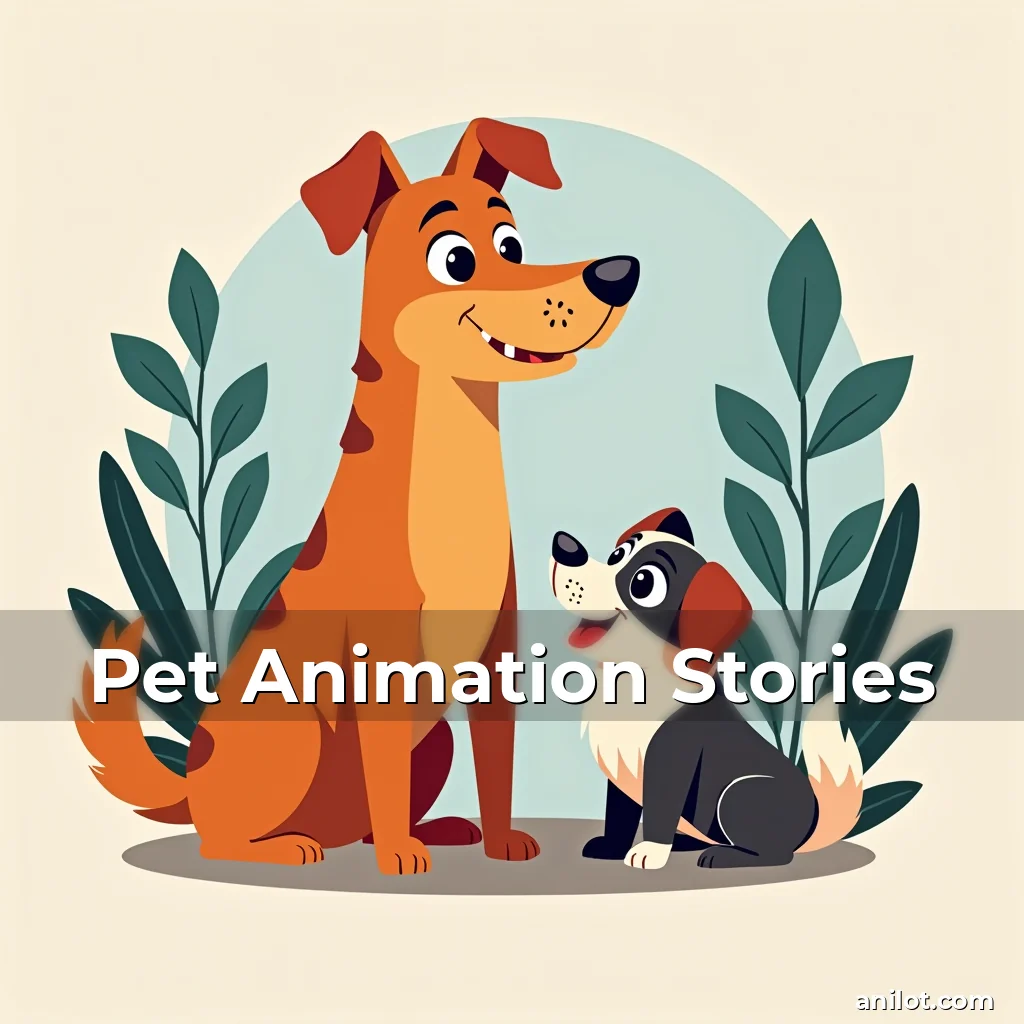
The Enchanting World of Pet Animation: Bringing Our Furry Friends to Life
In recent years, pet animation has emerged as a captivating art form that bridges the gap between reality and imagination. This growing field allows artists to create whimsical representations of our beloved pets, infusing them with personality, emotion, and life.
From playful dogs bounding across digital landscapes to mischievous cats exploring fantastical worlds, animated pets have become a source of joy for audiences worldwide. These creations not only entertain but also offer a creative outlet for animators passionate about animals.
The Evolution of Pet Animation
While hand-drawn animation laid the foundation for storytelling through moving images, modern technology has revolutionized how we bring pet characters to life. Today’s animators use sophisticated software and motion capture techniques to achieve lifelike expressions and movements.
The journey from traditional cel animation to computer-generated imagery (CGI) has transformed pet animation into a multidimensional experience. Early examples featured simple stick figures and basic shapes, while today’s animations boast intricate fur textures and realistic eye movements.
- Fur Simulation: Advanced rendering engines allow for hyper-realistic depiction of different coat types, from fluffy kittens to sleek canines.
- Motion Capture: By tracking real animal movements, animators ensure natural behavior patterns are preserved in their digital counterparts.
Why Pet Animation Resonates With Audiences
The universal appeal of companion animals creates an emotional connection that makes pet animation particularly powerful. Viewers often find themselves identifying with these animated creatures due to shared experiences with their own pets.
Studies show that watching animated animals triggers similar neural responses as observing real ones. This phenomenon explains why audiences react so strongly to scenes featuring animated pets in films and television shows alike.
Cultural Impact and Popularity
DreamWorks’ “The Secret Life of Pets” franchise grossed over $1 billion globally, demonstrating the massive audience demand for pet-centric narratives. The film’s success highlighted how well-crafted pet animation can captivate both children and adults.
Social media platforms have further amplified this trend by providing space for independent creators to share original pet animations. Hashtags like #PetAnimation and #AnimatedPets now attract millions of views weekly.
Crafting Believable Animated Pets
An animator must first understand the anatomy and movement patterns of various species before creating convincing characters. This foundational knowledge ensures accurate portrayal of posture, gait, and facial expressions.
Research is crucial when developing new pet characters. Animators consult veterinary professionals, study reference footage, and sometimes even work with live animals during production phases. Such dedication leads to more authentic character designs.
Techniques Used in Modern Pet Animation
Modern pet animation relies heavily on three-dimensional modeling and rigging processes. Artists build virtual skeletons for each character that dictate how they move within the environment.
Rigging involves adding controls to every joint and muscle group, allowing precise manipulation of an animal’s limbs and body parts. This level of control enables complex actions like running, jumping, and interacting with objects.
- Texture Mapping: Applying high-resolution surface materials gives characters realistic skin tones, fur colors, and other physical characteristics.
- Lighting Effects: Proper lighting enhances depth perception and adds dramatic flair to key moments in any scene involving animated pets.
Character Development in Pet Animation
A successful animated pet needs a distinct personality that resonates with viewers. Creators develop backstories, vocal traits, and behavioral quirks that make each character memorable.
Dialogue plays a vital role in defining a pet’s character arc. While many pets communicate nonverbally, those who do speak often have distinctive voices that reflect their personalities. A timid cat might whisper, whereas a bold dog could bark loudly.
The Role of Sound Design in Pet Animation
Voice actors and sound engineers collaborate closely to ensure pets express emotions effectively through audio cues. From soft purrs to enthusiastic barks, sounds help convey feelings without needing visual indicators alone.
Sound design extends beyond vocalizations to include environmental effects like footsteps, tail swishes, and interactions with surrounding elements. These subtle details enhance immersion and realism significantly.
Educational Applications of Pet Animation
Beyond entertainment value, pet animation serves educational purposes by teaching people about animal behavior and biology. Interactive programs use animated pets to explain complex scientific concepts in accessible ways.
Children’s learning apps frequently feature cartoon animals performing tasks related to science lessons. For instance, an animated rabbit might demonstrate plant growth cycles while hopping around a garden setting.
Therapeutic Benefits of Watching Pet Animation
Research indicates that viewing animated pets can reduce stress levels and promote relaxation. This therapeutic potential makes such content useful for patients undergoing medical treatments or individuals experiencing anxiety disorders.
Hospitals and rehabilitation centers increasingly incorporate pet-themed animations into patient care routines. These visuals provide comfort without requiring direct interaction with living animals.
Challenges Facing Pet Animators
Creating convincing pet animations presents technical challenges that require constant innovation. One major hurdle lies in accurately depicting fine motor skills typical among small mammals like rodents and rabbits.
Animators also face ethical considerations regarding portraying animals realistically enough to avoid misleading viewers about actual animal capabilities. Balancing artistic freedom with factual accuracy remains an ongoing challenge.
The Future of Pet Animation Technology
Ongoing advancements in artificial intelligence promise exciting developments for future pet animations. AI-driven tools may soon assist in generating realistic motions based solely on textual descriptions provided by writers.
Virtual reality integration offers another frontier where users could interact directly with animated pets within immersive environments. Imagine being able to play fetch with your favorite cartoon dog inside a fully realized digital world.
Getting Involved in Pet Animation Projects
Aspiring animators seeking opportunities in this niche field should explore industry events focused specifically on animal-related animation projects. Networking at conventions provides access to mentors and collaborative possibilities.
Online communities dedicated to sharing resources and tutorials cater specifically to those interested in creating their own pet animations. Engaging actively within these spaces helps build professional connections essential for career development.
Conclusion
Pet animation continues evolving alongside technological innovations while maintaining its core purpose – connecting humans with the fascinating world of animals through creative expression.
Whether you’re an artist looking to break into this vibrant sector or simply someone who enjoys seeing our furry friends brought to life digitally, there’s never been a better time than now to engage with this thrilling aspect of animation culture.


news is a contributor at AniLot.com. We are committed to providing well-researched, accurate, and valuable content to our readers.
You May Also Like

Animal Cartoons vs Human Characters
The Timeless Appeal of Animal Cartoons Across Generations Animal cartoons have captured hearts worldwide since their inception. From classic animated...
International Animal-Themed Shows
The Global Phenomenon of Animal-Themed Entertainment: A Deep Dive into Popular Shows Around the World In recent years, animal-themed television...
Animation for Kids vs Teen
The Magical World of Animation: Bridging Creativity Between Kids and Teens Animation has long been recognized as a powerful medium...
Animal Animation Trends in Film
The Evolution of Animal Animation: A New Era of Creativity and Technology In recent years, animal animation has emerged as...