


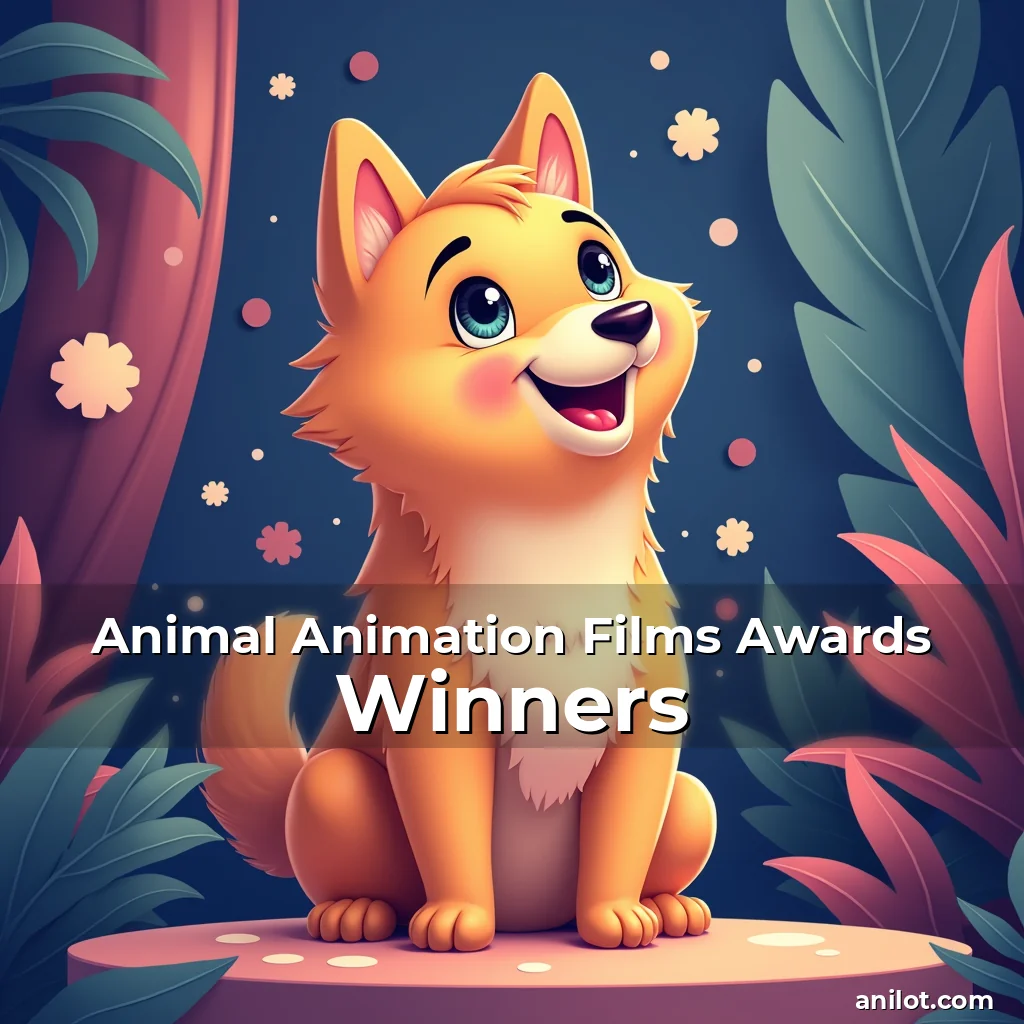
The Golden Era of Animal Animation Films: A Celebration of Creativity and Craftsmanship
In recent years, animal animation films have captivated global audiences with their enchanting narratives, vibrant visuals, and universal themes that resonate across cultures and age groups. These films blend artistry with storytelling to create immersive worlds where anthropomorphic animals take center stage, offering both entertainment and profound life lessons.
This article delves deep into the world of animal animation films, exploring their evolution from classic hand-drawn animations to cutting-edge digital productions. We will examine award-winning examples, highlight key creators, and uncover what makes these films so enduringly popular among viewers worldwide.
The Origins and Evolution of Animal Animation Films
Animal animation has its roots in early cinema, with pioneers like Walt Disney laying the groundwork for this beloved genre. The first feature-length animated film, “Snow White and the Seven Dwarfs,” released in 1937, featured anthropomorphic animals as supporting characters who played crucial roles in the story’s development.
The post-war era saw significant advancements in animation techniques, leading to classics such as “Bambi” (1942) which showcased realistic animal movements through meticulous hand-drawing. This period established a foundation for future filmmakers to explore complex emotional journeys within the animal kingdom.
As technology advanced, studios began experimenting with new methods to bring animal characters to life. The introduction of limited animation in the 1960s allowed for cost-effective production while maintaining artistic integrity, paving the way for series like “The Pink Panther.” These innovations expanded access to quality animal animation beyond theatrical releases.
- Classic Techniques: Hand-drawn cel animation remained dominant until the late 20th century, requiring artists to draw each frame individually before photographing them onto transparent sheets.
- Digital Revolution: Computer-generated imagery (CGI) transformed the industry by enabling three-dimensional character modeling, allowing for greater realism and dynamic movement in animal animations.
Pioneering Studios and Their Contributions
Disney remains synonymous with animal animation, having produced iconic films like “The Lion King” (1994) and “Finding Nemo” (2003). These movies combined traditional drawing skills with innovative CGI to create visually stunning experiences that appealed to both children and adults.
Other notable contributors include DreamWorks Animation, known for hits such as “Shrek” (2001) and “Madagascar” (2005), which redefined how audiences perceived talking animals. Studio Ghibli from Japan also made waves with films like “My Neighbor Totoro” (1988), showcasing culturally rich stories centered around nature-loving creatures.
The rise of independent animation houses has further diversified the landscape. Studios like Laika brought stop-motion animation back into prominence with films like “Coraline” (2009), proving there was still room for creativity outside mainstream studio systems.
Award-Winning Innovations at Major Studios
Academy Award recognition often highlights groundbreaking achievements in animal animation. For instance, Pixar’s “Up” (2009) received critical acclaim for its emotionally resonant portrayal of a dog named Dug whose antics added levity to the narrative without overshadowing the central human drama.
Studio Ghibli’s “Spirited Away” (2001) won the Academy Award for Best Animated Feature, demonstrating how Japanese animation could effectively integrate fantastical elements with relatable animal companions. Its success opened doors for international collaborations and cross-cultural appreciation of different animation styles.
Iconic Animal Characters That Defined Generations
Some animal characters have become cultural icons due to their memorable personalities and lasting impact on pop culture. Mickey Mouse, created by Walt Disney in 1928, is perhaps the most recognizable symbol of animal animation globally. His simple design and expressive features have endured for nearly a century.
Sherman, the loyal canine companion from “Lady and the Tramp” (1955), exemplifies loyalty and friendship through his interactions with Lady. Similarly, Simba from “The Lion King” represents growth and responsibility as he navigates the challenges of leadership in Pride Rock.
Mother Nature from “The Secret Life of Pets” franchise brings humor and chaos to everyday pet life, highlighting the comedic potential of anthropomorphized animals living alongside humans. Her unpredictable behavior adds layers of fun to otherwise mundane domestic settings.
The Artistic Process Behind Creating Believable Animal Animations
Crafting believable animal characters involves intricate research and collaboration between animators, biologists, and vocal coaches. Artists study real-life footage extensively to capture accurate body language, facial expressions, and movement patterns characteristic of various species.
Voice actors play a pivotal role in bringing depth to animal characters. They must convey emotions ranging from joy to sadness through carefully selected tones and inflections that match each creature’s personality traits. This process requires close coordination between voice talent and visual designers working simultaneously on character models.
Advanced motion capture technology now allows performers to act out scenes physically, translating their movements directly into digital animations. This technique enhances realism but demands precise calibration to ensure seamless integration with pre-designed character rigs.
Thematic Depth in Contemporary Animal Animation Films
Modern animal animation films tackle complex social issues while remaining accessible to younger audiences. Movies like “Zootopia” (2016) address topics such as prejudice and stereotypes through allegorical representations of different animal communities coexisting in a fictional city setting.
“The Good Dinosaur” (2015) explores themes of loss and resilience after an apocalyptic event changes the course of history. Through its protagonist Arlo’s journey toward self-discovery, the film delivers powerful messages about overcoming adversity with courage and determination.
“Sing” (2016) uses music as a vehicle for personal transformation, illustrating how pursuing passions can lead to unexpected opportunities. Its diverse cast of singing animals showcases inclusivity while celebrating individual talents regardless of background or species.
Economic Impact and Industry Trends
The global market for animated films continues to grow steadily, driven largely by demand for family-friendly content featuring lovable animal protagonists. In 2022 alone, box office revenues reached over $15 billion globally, underscoring strong consumer interest in this niche category.
Streaming platforms have revolutionized distribution channels, making high-quality animal animation available instantly worldwide. Services like Netflix and Amazon Prime offer curated libraries containing both classic titles and newly released originals tailored specifically for streaming consumption habits.
Emerging technologies such as virtual reality are beginning to influence animation practices too. Interactive environments allow users to experience stories from an animal perspective, blurring lines between passive viewing and active participation in cinematic narratives.
Fan Communities and Cultural Influence
Online fan bases dedicated to animal animation films thrive on social media platforms, creating vibrant spaces for discussion, fan art creation, and cosplay events centered around favorite characters. Hashtags related to specific movies frequently trend during release periods, indicating widespread engagement levels among followers.
Conventions focused entirely on anime and Western-style animation provide fans with opportunities to meet fellow enthusiasts face-to-face. Panels discussing behind-the-scenes processes give attendees exclusive insight into creative decisions shaping beloved franchises they follow closely.
Merchandising plays a vital role in sustaining long-term interest in animal-themed properties. From collectible figurines to themed apparel, products inspired by popular characters help maintain visibility even when new projects aren’t actively being developed.
Future Directions and Technological Advancements
Ongoing developments in artificial intelligence promise exciting possibilities for future generations of animal animation films. AI-driven tools may assist animators in generating lifelike textures or simulating natural behaviors more accurately than ever before.
Augmented reality applications could enhance interactive storytelling experiences by overlaying digital creatures onto physical surroundings, transforming ordinary locations into magical realms populated exclusively by animated beings.
Collaboration between different cultural backgrounds offers fresh perspectives on familiar tropes found within animal animation genres. Cross-border partnerships enable sharing best practices while respecting regional differences in storytelling traditions and aesthetic preferences.
Conclusion
From humble beginnings rooted in hand-crafted drawings to today’s technologically sophisticated productions, animal animation films continue evolving while retaining core values of wonderment and imagination inherent to their origins.
Whether you’re revisiting childhood favorites or discovering new adventures through contemporary releases, there’s never been a better time to celebrate the magic of seeing our furry friends come alive on screen with heartwarming tales waiting to be explored together.


news is a contributor at AniLot.com. We are committed to providing well-researched, accurate, and valuable content to our readers.
You May Also Like

Animation for Kids Learning
Animating Adventures: Fun & Educational Animation for Kids In today's digital age, animation has become a powerful tool for both...
Iconic Cartoon Animals
The Endearing World of Iconic Cartoon Animals In the vibrant realm of animation, cartoon animals have long captivated audiences across...
Animated Series vs Movies
The Endless Canvas: A Deep Dive Into the World of Animated Series In the ever-evolving landscape of entertainment, animated series...
Digital Animal Art Commission
The Digital Canvas: A Journey Through Digital Animal Artistic Expression In an era defined by technological innovation, the realm of...