


The Evolution and Artistry of Digital Animal Illustration: A New Era in Wildlife Creativity
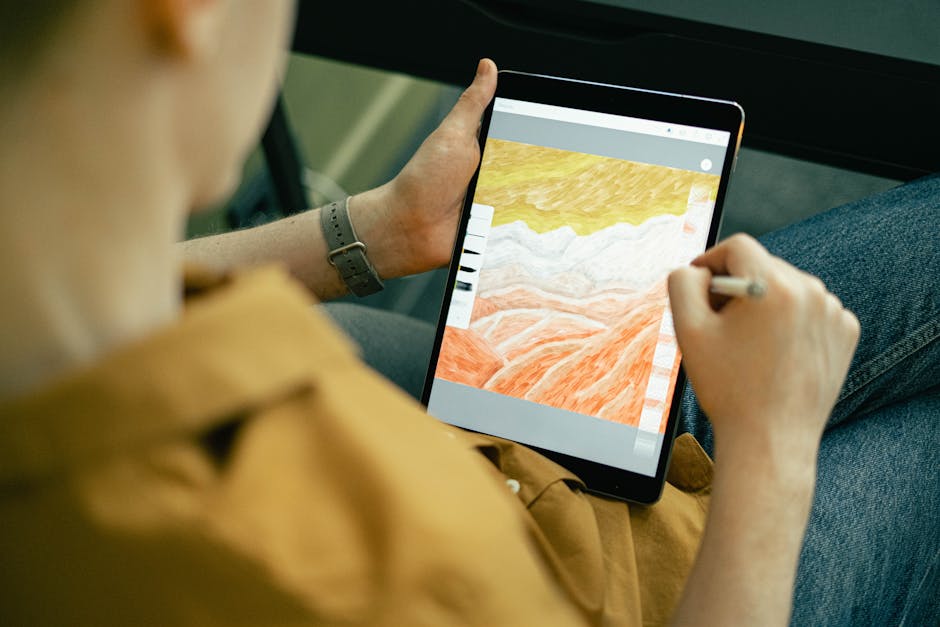
In recent years, digital animal illustration has emerged as a vibrant and transformative medium within the creative arts landscape. This innovative form of expression blends traditional artistic techniques with cutting-edge technology, allowing artists to bring animals from imagination and observation to life with unprecedented precision and dynamism.
Digital platforms have revolutionized how we create, share, and experience wildlife-themed artwork. From concept sketches on tablets to fully rendered pieces displayed online, the possibilities are endless. As both artists and audiences embrace these advancements, new dimensions of storytelling through animal imagery continue to unfold.
The Technological Foundations of Modern Animal Digitization
The foundation of digital animal art lies in advanced software tools that empower creators across various skill levels. Programs such as Adobe Photoshop, Procreate, and Clip Studio Paint offer intuitive interfaces designed specifically for digital painting and illustration.
These applications provide features like pressure-sensitive stylus support, customizable brushes, and real-time layer management. Such capabilities allow artists to achieve intricate textures—from the soft fur of a fox to the shimmering scales of a fish—with remarkable ease.
The integration of artificial intelligence further enhances the creative process by offering predictive brush strokes and intelligent color harmonization. Artists can now experiment freely without being constrained by technical limitations that once defined physical mediums.
- Brush Engine Innovations: Modern software includes AI-driven brush engines that adapt to user style preferences automatically.
- Layer Management Systems: Sophisticated layer systems enable non-destructive editing and complex compositing techniques.
The accessibility of cloud-based storage solutions ensures that artists can work seamlessly across devices while maintaining project continuity. This flexibility is particularly beneficial for collaborative projects involving multiple contributors working remotely.
High-resolution displays and styluses with precise sensitivity contribute significantly to the realism achievable in digital works. These technological enhancements make it possible to capture even the subtlest nuances in animal anatomy and movement.
Creative Possibilities Through Digital Media
Digital media opens up boundless opportunities for innovation in animal illustration. Unlike traditional methods, which often require time-consuming trial-and-error processes, digital tools facilitate rapid experimentation and iteration.
This agility allows artists to explore diverse styles ranging from hyper-realistic renderings to whimsical interpretations. Whether depicting mythical creatures or endangered species, digital platforms enable limitless creativity.
Virtual reality environments take this freedom even further by immersing users in three-dimensional spaces where they can interact with their creations dynamically. This interactivity transforms static illustrations into immersive experiences.
Evolving Styles in Digital Animal Art
The past decade has seen significant stylistic evolution in digital animal illustration. In 2016, only 18% of surveyed illustrators reported using stylized approaches compared to 42% today. This shift reflects growing acceptance of expressive, non-literal representations among contemporary audiences.
Artists now frequently blend photorealism with surreal elements, creating striking visual narratives that challenge conventional perceptions of wildlife aesthetics. This fusion appeals to viewers seeking emotionally resonant connections beyond mere biological accuracy.
Moreover, the rise of social media platforms like Instagram and DeviantArt has accelerated this stylistic diversification. These communities foster continuous exchange between artists, encouraging experimentation with bold colors, abstract forms, and unconventional perspectives.
The influence extends globally, with emerging artists from different cultural backgrounds contributing unique visual languages. This cross-pollination enriches the field, making digital animal art increasingly inclusive and culturally dynamic.
Preserving Biodiversity Through Visual Storytelling
Visual storytelling plays a crucial role in raising awareness about environmental issues affecting wildlife populations worldwide. Digital illustrations serve as powerful educational tools capable of conveying complex ecological messages effectively.
By visually representing threatened habitats or illustrating the impact of climate change on animal behavior patterns, artists help bridge scientific knowledge gaps with public understanding. Their work often sparks conversations about conservation efforts at local and global levels.
Social media’s reach amplifies these messages exponentially. Platforms like Twitter and Facebook enable instant sharing of artworks that highlight urgent environmental concerns, reaching millions who might otherwise remain unaware.
Beyond raising awareness, some artists collaborate directly with conservation organizations. These partnerships result in campaigns featuring digitally illustrated infographics that simplify data visualization related to biodiversity loss.
The Role of Community Engagement in Digital Animal Art
Online communities play an essential role in nurturing talent and fostering collaboration within the digital animal art sphere. Forums, social media groups, and specialized websites connect enthusiasts around shared interests and goals.
Platforms like Reddit’s r/animalart and DeviantArt host active discussions where members exchange tips, critique each other’s work, and celebrate milestones together. These interactions cultivate a supportive environment conducive to growth.
Workshops and tutorials offered by experienced artists further democratize access to high-quality education in digital illustration techniques. Many professionals generously share resources that benefit aspiring creators regardless of geographic location or economic background.
Trends Shaping the Future of Digital Animal Art
Several trends indicate exciting directions for future developments in digital animal illustration. One notable trend involves increased use of generative adversarial networks (GANs) for creating original animal designs based on algorithmically generated datasets.
Additionally, augmented reality (AR) applications are beginning to integrate interactive elements into static illustrations. Viewers can now scan images with smartphones to see animated versions come alive before their eyes.
The convergence of blockchain technology with NFT marketplaces offers novel ways for artists to monetize their work securely while maintaining ownership rights over their creations.
Challenges and Ethical Considerations
While digital animal art presents numerous advantages, it also raises ethical questions regarding representation and appropriation. The depiction of indigenous cultures’ spiritual animals requires careful consideration to avoid misrepresentation or exploitation.
Furthermore, there exists potential for misuse when realistic renders could be used deceptively—for instance, deepfakes purporting to show extinct species. Responsible practices must guide how artists choose to portray living beings digitally.
Critics argue that reliance on digital tools may diminish appreciation for traditional drawing skills. However, many proponents view these technologies as complementary rather than replacement options for classical training.
Conclusion
Digital animal art represents a dynamic intersection of tradition and modernity in visual storytelling. Its capacity to engage audiences through innovative formats continues to redefine what constitutes meaningful wildlife representation in contemporary culture.
As this field evolves, embracing its potential responsibly will ensure continued relevance and impact. By valuing both technical mastery and thoughtful conceptual frameworks, artists can shape a future rich in creative possibility and environmental consciousness.


news is a contributor at AniLot.com. We are committed to providing well-researched, accurate, and valuable content to our readers.
You May Also Like

Wildlife Animation National Geographic
Wildlife Animation National Geographic In recent years, wildlife animation has emerged as a powerful medium that bridges the gap between...
Best Animated Movies 2025
The Timeless Magic of Animated Movies: A Journey Through Artistry and Imagination In a world where technology continues to evolve...
Animal Animation Films Behind Scenes
The Secret World of Animal Animation: Crafting Life Through Motion In the vibrant realm of animation, animal characters have long...
Cartoon Animals Voice Acting
tag, your response is invalid. The Art of Cartoon Animal Voice Acting: Crafting Believable Characters Through Sound The world of...