


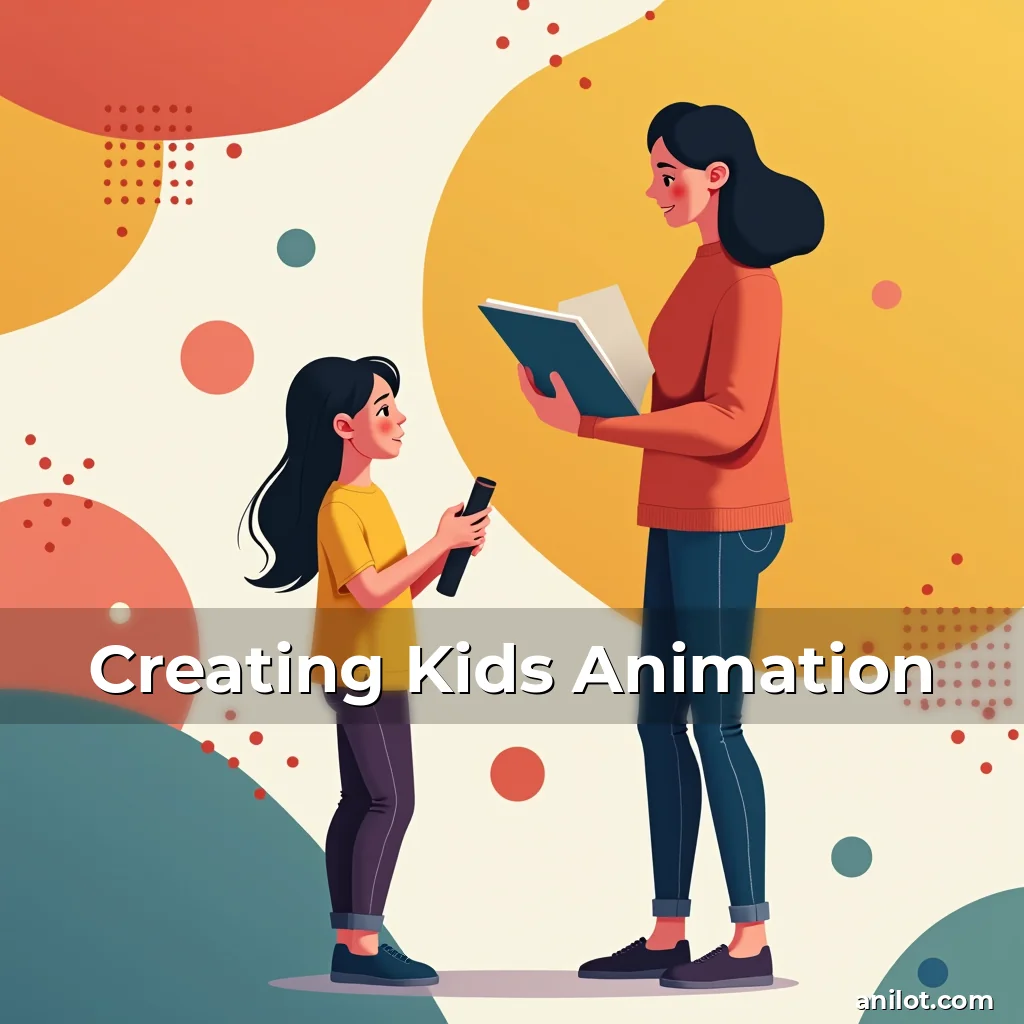
The Magic Behind Creating Captivating Kids’ Animations
In today’s digital age, kids’ animations have become more than just entertainment; they’re powerful tools for education and emotional development. From classic characters like Scooby-Doo to modern hits such as Paw Patrol, animated shows captivate young audiences while imparting essential life lessons.
The artistry involved in crafting these animations is both complex and rewarding. It requires a blend of technical skill, creative vision, and deep understanding of child psychology to produce content that resonates with young viewers.
Fundamental Elements That Define Kids’ Animation
Kids’ animations stand out due to their distinct visual style, simplified character designs, and vibrant color palettes. These elements make them visually appealing and easier for children to process and remember.
The use of exaggerated expressions and dynamic movements helps convey emotions effectively without relying solely on dialogue. This visual storytelling technique ensures even non-verbal messages come through clearly to younger audiences.
Simplified narratives often follow clear cause-and-effect structures that help reinforce basic problem-solving skills. Characters typically face straightforward challenges with recognizable solutions that mirror real-life situations children encounter daily.
Interactive features are increasingly common in digital formats, allowing young viewers to engage actively rather than passively consume content. Educational platforms now integrate quizzes, games, and decision-making scenarios within animated sequences.
Sound design plays an equally crucial role by enhancing immersion through catchy theme songs, sound effects, and voice acting tailored specifically for child-friendly communication styles.
- Color theory: Warm colors stimulate excitement while cool tones promote calmness – understanding this balance can enhance viewer engagement significantly.
- Movement patterns: Regular motion loops create predictability which comforts children during viewing sessions.
- Pacing control: Shorter scenes maintain attention spans better than drawn-out episodes or segments.
Crafting Engaging Storylines For Young Audiences
Developing compelling storylines for kids involves balancing simplicity with imaginative world-building. The best animations transport viewers into fantastical realms where ordinary problems take on epic proportions.
A strong narrative foundation includes well-defined protagonists who embody positive traits such as bravery, kindness, and curiosity. Antagonists usually represent relatable obstacles rather than outright villains to avoid instilling fear unnecessarily.
Broadening perspectives through diverse representation fosters empathy among young viewers. Including various cultural backgrounds, abilities, and family structures enriches the learning experience naturally.
Repetition and pattern recognition form key components of early childhood cognitive development. Incorporating recurring motifs or phrases across episodes helps reinforce learning outcomes organically.
The Science Of Attention Spans In Children’s Media
Research indicates that preschool-aged children sustain focused attention for approximately 7-9 minutes before needing a change in stimulus. Understanding this window informs how animators structure scene transitions and pacing decisions.
Animated series designed for ages 6-8 generally feature 11-minute episodes structured around three distinct acts to accommodate evolving concentration levels. This format allows time for setup, conflict resolution, and closure within manageable durations.
For older children aged 9-12, longer-form content becomes feasible as sustained attention capacities increase. However, maintaining regular interval checkpoints remains vital to prevent disengagement from prolonged viewing sessions.
The integration of interactive elements helps reengage viewers at natural breakpoints. Games embedded within episodes provide active participation opportunities that refresh mental energy between narrative segments.
Technological Advancements Driving Innovation In Kids’ Animation
Digital technology has revolutionized every aspect of animation production, making high-quality visuals accessible even to independent creators. Software suites offer intuitive interfaces that streamline traditionally labor-intensive processes.
Advances in 3D modeling software enable greater depth perception and realism without sacrificing the stylized aesthetic preferred by most children’s programming. These tools also facilitate quicker revisions during pre-production stages.
AI-driven automation assists with repetitive tasks such as background generation and compositing workloads, freeing artists to focus on more creative aspects of production. Machine learning algorithms analyze successful formulae from past productions to inform new projects.
Virtual reality applications open up immersive possibilities for educational animations. Interactive VR experiences allow children to explore environments firsthand instead of merely observing them from afar.
Data analytics provides invaluable insights into what types of content resonate most strongly with different demographics. Tracking engagement metrics enables continuous refinement of narrative choices based on actual audience preferences.
- Cloud-based collaboration: Enables global teams to work simultaneously on projects regardless of physical location limitations.
- Augmented reality integrations: Bring animated characters into real-world settings using mobile devices for enhanced interactivity.
- Customizable avatars: Allow personalized interactions that boost emotional investment from young users.
Educational Value Embedded Within Entertainment
Kids’ animations serve dual purposes as both entertaining media and effective teaching tools. Countless programs incorporate curriculum-aligned material seamlessly into engaging adventures.
Linguistic development benefits greatly from exposure to varied vocabulary used in dialogues and narration. Animated characters often model correct grammar usage while demonstrating social interaction norms.
Mathematical concepts appear frequently through numerical puzzles or measuring activities integrated naturally within plot progression. Geometry principles emerge when characters navigate spatial challenges in their environment.
Scientific literacy improves as characters experiment with observable phenomena related to physics, biology, and chemistry. Natural curiosity is encouraged by presenting discoveries as exciting quests rather than dry facts.
Social-emotional learning occurs organically through character relationships depicted authentically. Viewers observe appropriate ways to handle conflicts, express feelings, and build friendships through repeated examples.
Historical knowledge acquisition happens indirectly through fictionalized accounts of past events. Cultural appreciation grows when stories respectfully showcase traditions from different regions worldwide.
- Interactive quizzes: Reinforce comprehension through immediate feedback mechanisms after each episode.
- Timed challenges: Encourage quick thinking and decision-making under pressure scenarios relevant to classroom settings.
- Vocabulary builders: Highlight key terms displayed alongside visual cues aiding memory retention processes.
Psychological Considerations In Designing For Young Minds
Designing animations for children necessitates careful consideration of developmental psychology principles. Content must align with cognitive milestones reached at particular ages to maximize effectiveness.
Visual complexity needs to match recipients’ perceptual capabilities. Too many moving parts overwhelm developing brains whereas simple compositions foster clearer information processing.
Emotional regulation techniques taught through characters serve as practical models for young viewers dealing with personal frustrations or anxieties. Seeing others successfully manage similar issues reduces perceived difficulty.
Positive reinforcement strategies implemented consistently train associative learning behaviors. When good actions lead to favorable outcomes, children internalize those value systems naturally.
Play-based learning methods transform abstract ideas into tangible experiences. By integrating game-like elements into educational content, motivation increases substantially without feeling forced.
Fostering Creativity Through Animation Production
Animation creation offers unparalleled opportunities for nurturing artistic expression in youth. Hands-on involvement with drawing, scripting, and editing cultivates multidisciplinary talents.
Youth animation workshops encourage collaborative problem-solving approaches as participants learn to compromise creatively while respecting individual contributions. Teamwork dynamics develop organically during joint projects.
Storytelling fundamentals get reinforced through the act of writing scripts that balance entertainment with educational objectives. Character development exercises teach empathy through perspective-taking practices.
Technical proficiency gains occur naturally through experimenting with digital tools available in modern animation software packages. Trial-and-error processes enhance understanding of multimedia composition principles.
Presenting finished works builds confidence and public speaking skills as students share their creations with peers and mentors alike. Constructive feedback sessions refine critical thinking abilities systematically.
- Storyboarding exercises: Improve sequential thinking abilities required for structuring coherent narratives.
- Character design workshops: Develop visual symbolism interpretation skills useful beyond animation contexts.
- Voice recording sessions: Enhance auditory discrimination powers crucial for language acquisition phases.
Trends Shaping The Future Of Kids’ Animation
Current trends indicate growing emphasis on diversity, inclusiveness, and environmental awareness themes within children’s animated content. These contemporary values shape narrative directions and character portrayals significantly.
Immersive technologies continue expanding possibilities for experiential learning through augmented and virtual realities. Real-time simulations allow safe exploration of potentially dangerous scientific experiments otherwise inaccessible physically.
User-generated content platforms empower young creatives to publish original animations reaching wider audiences instantaneously. Peer-to-peer sharing networks foster communities centered around shared interests.
Sustainability initiatives influence production choices by reducing reliance on environmentally harmful materials and promoting digital distribution over physical media formats.
Globalization efforts introduce multicultural perspectives to broader international audiences through translated subtitles and culturally adapted adaptations suited for local markets abroad.
The Role Of Parents And Educators In Supporting Kids’ Animation Consumption
Adult supervision enhances the educational potential of animated content by facilitating meaningful discussions afterward. Guided conversations deepen comprehension and connect media experiences to real-world applications.
Co-viewing opportunities strengthen bonding moments while providing context for complex topics introduced in episodes. Shared laughter and reactions create lasting memories associated with favorite shows.
Selective consumption habits benefit from parental guidance ensuring age-appropriate content alignment with children’s maturity levels and interests. Screen time management prevents overexposure to any single program excessively.
Encouraging reflective practices post-viewing helps transition passive watching into active learning modes. Asking thoughtful questions stimulates higher-order thinking processes beneficial academically.
Curated playlists featuring balanced combinations of educational and recreational titles support holistic development goals set by caregivers. Strategic programming selections optimize both entertainment value and pedagogical impact concurrently.
Measuring Success In Kids’ Animation Projects
Evaluating effectiveness goes beyond traditional ratings figures by considering multiple indicators reflecting engagement quality. Audience response metrics prove particularly insightful regarding content resonance levels.
Engagement tracking reveals which specific scenes generate highest emotional responses measured via biometric data collection during live screenings. These heatmaps guide future improvements precisely targeted toward impactful areas.
Behavioral changes observed in children following consistent exposure suggest measurable academic progress linked directly back to particular animated content viewed regularly.
Parental feedback surveys capture qualitative impressions regarding overall satisfaction with chosen programming options affecting long-term subscription renewals positively.
Community forums track ongoing discussions initiated by show-related topics indicating continued interest sustaining brand loyalty beyond initial viewing periods.
Conclusion
The world of kids’ animation continues to evolve rapidly, blending entertainment with education in innovative ways never seen before. As technological advancements persistently reshape possibilities, the fundamental goal remains unchanged – creating joyful, informative content that resonates deeply with youthful audiences.
By embracing emerging trends while honoring core psychological and developmental principles, creators can craft animations that not only entertain but also inspire lifelong learners. Continued experimentation with new mediums promises even more exciting breakthroughs yet to unfold in this ever-expanding field.


news is a contributor at AniLot.com. We are committed to providing well-researched, accurate, and valuable content to our readers.
You May Also Like

Digital Animal Art Software
The Digital Canvas: Exploring the World of Animal Art in the Virtual Realm In an era where technology continues to...
Pet Animation Stories
The Enchanting World of Pet Animation: Bringing Our Furry Friends to Life In recent years, pet animation has emerged as...
Educational Animal Cartoons Kids
The Joyful World of Educational Animal Cartoons for Kids Animal cartoons have long been cherished by children around the world...
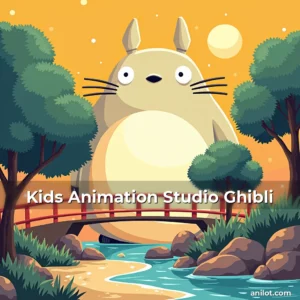
Kids Animation Studio Ghibli
Kids Animation Studio Ghibli: A World of Whimsy, Wonder, and Wisdom In the heart of Japan's creative landscape, Studio Ghibli...