
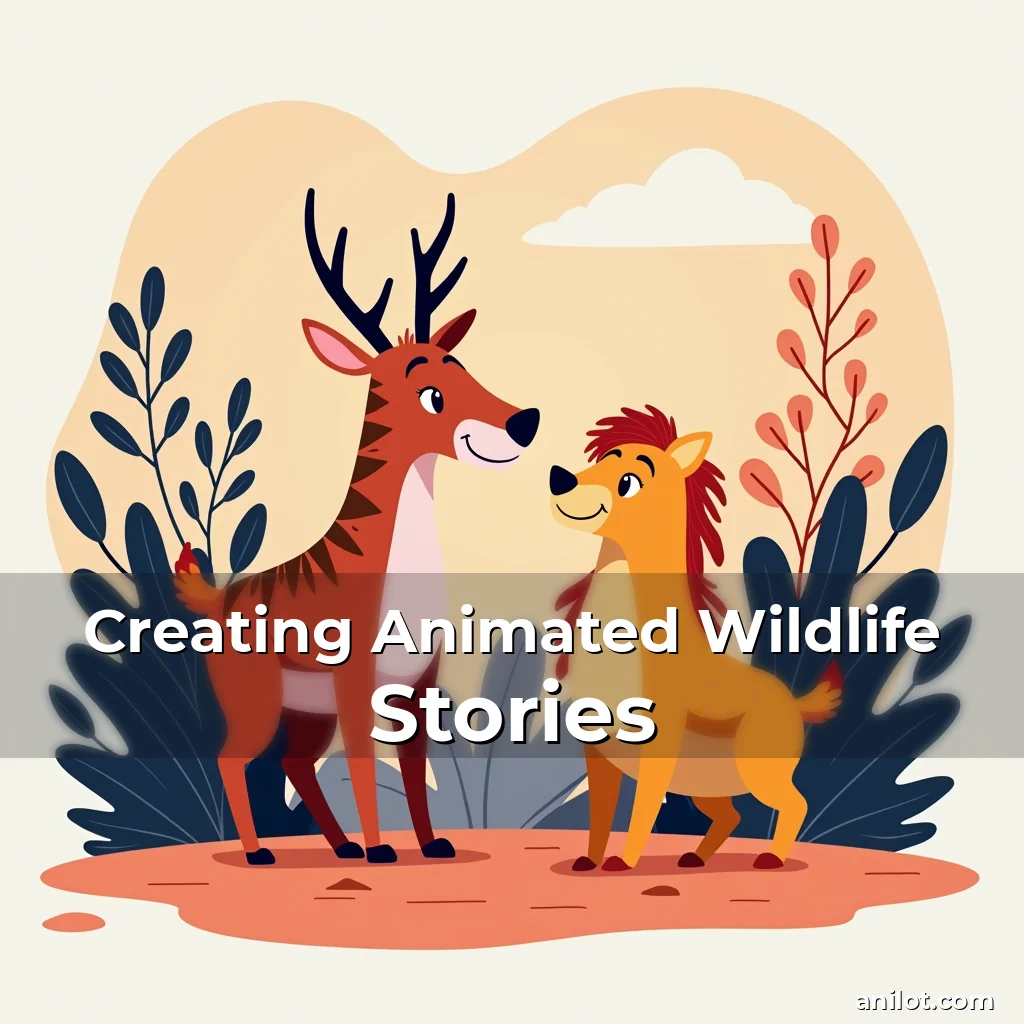
The Art of Bringing Nature’s Tales to Life Through Animation
In an age where digital storytelling has become both art form and educational tool, animated wildlife stories stand at the intersection of creativity and conservation. These narratives breathe life into ecosystems that many may never experience firsthand, offering immersive journeys through forests, oceans, and deserts without leaving home.
This guide explores how creators can craft compelling animated tales featuring animals, plants, and landscapes while honoring ecological accuracy and emotional resonance. Whether you’re an aspiring animator, educator, or nature enthusiast, these insights will help shape stories that educate as well as entertain.
Understanding the Core Elements of Wildlife Storytelling
At its heart, wildlife animation requires a delicate balance between factual representation and narrative engagement. The most successful stories don’t merely depict animal behavior; they weave those behaviors into relatable human experiences while maintaining scientific integrity.
Animators must consider the natural habitats of their subjects when designing environments. A rainforest scene needs dense foliage and appropriate lighting conditions, whereas tundra settings require stark contrasts and cold color palettes. Every visual choice reinforces the authenticity of the ecosystem being portrayed.
Character development is equally crucial. While real animals lack human emotions, skilled storytellers use anthropomorphic traits selectively. For instance, showing a mother fox teaching her cubs survival skills can mirror human parenting dynamics without distorting biological realities.
- Habitat Accuracy: Researching local flora/fauna ensures environments reflect actual geographic regions accurately.
- Biodiversity Representation: Including various species within scenes creates dynamic interactions that mirror real-world food chains and symbiotic relationships.
- Cultural Sensitivity: When depicting indigenous communities interacting with nature, respecting traditions avoids stereotyping or misrepresentation.
Crafting Compelling Narratives from Natural Phenomena
Nature itself provides endless story potential through seasonal changes, migration patterns, and predator-prey cycles. These phenomena offer built-in plot structures that align perfectly with cinematic pacing techniques used in traditional filmmaking.
A springtime transformation sequence could follow pollinators returning after winter dormancy, showcasing plant-animal interdependence through vivid visuals. Such sequences often contain inherent drama—like the struggle between emerging seedlings and persistent frost.
Focusing on individual animal lifecycles adds personal stakes to broader ecological themes. Tracking a sea turtle’s arduous journey from hatching to ocean adulthood introduces viewers to challenges faced by marine life while highlighting resilience.
When developing these plots, writers should avoid anthropomorphizing too heavily. Instead of making animals speak in full sentences, using subtle body language cues and environmental context allows audiences to infer motivations naturally.
Technical Aspects of Wildlife Animation Production
Modern animation software offers tools specifically designed for creating realistic natural environments. Programs like Blender provide vegetation simulation features that allow animators to generate convincing forest layers without manually placing each leaf individually.
Skeletal rigging systems enable precise control over animal movements. By studying reference footage of actual creatures, artists create rigs that mimic musculature structure and range of motion realistically. This attention to biomechanics prevents animations from appearing stiff or unnatural.
Lighting plays a critical role in establishing mood and time-of-day realism. Dynamic shadow mapping combined with volumetric fog effects can transform simple terrain models into richly textured wilderness spaces that feel alive under changing light conditions.
Sound design complements visual elements effectively. Incorporating ambient noises such as rustling leaves, distant bird calls, or water flow enhances immersion significantly. Layered soundscapes give depth to otherwise silent backgrounds, helping distinguish different habitat types clearly.
Preserving Ecological Integrity Through Creative Choices
Maintaining scientific accuracy doesn’t mean sacrificing artistic freedom. In fact, creative liberties can enhance understanding when used judiciously. For example, exaggerating certain features might draw attention to key adaptations without misleading about overall biology.
Animator teams should consult biologists during pre-production phases to verify behavioral depictions. Field recordings and video references ensure that movement patterns match observed data rather than relying solely on artistic interpretation which could introduce errors.
When depicting endangered species, special care must be taken to represent them respectfully. Avoiding exploitative portrayals focuses instead on conveying threats honestly while emphasizing conservation efforts currently underway globally.
Using accurate terminology helps maintain credibility. Referencing specific species names rather than vague descriptors builds trust with scientifically literate audiences who appreciate precision in depiction choices.
Educational Applications of Animated Wildlife Content
Educators increasingly recognize the value of animated media in teaching ecology concepts visually. Short-form animations explaining photosynthesis processes make complex biochemical reactions accessible even to young students through simplified yet informative presentations.
Interactive platforms integrate animated segments with quizzes or virtual simulations allowing learners to experiment with variables affecting ecosystems. This hands-on approach improves retention rates compared to passive observation methods alone.
School curricula now incorporate multimedia resources that combine documentary-style narration with stylized illustrations. Such hybrid formats cater to diverse learning preferences among students while covering essential curriculum topics comprehensively.
Documentaries benefit immensely from animated sequences illustrating microscopic processes invisible to standard cinematography. Showing carbon cycle pathways through colorful graphical representations makes abstract concepts tangible for general audiences.
Community Engagement Strategies for Wildlife Animators
Building connections with conservation organizations opens doors to collaborative projects focused on raising awareness about pressing issues facing global biodiversity today. Partnerships often lead to co-created content that reaches wider audiences efficiently.
Social media campaigns centered around behind-the-scenes creation processes foster appreciation for the craftsmanship involved in producing quality wildlife animations. Sharing work-in-progress clips encourages public interest before official releases.
Hosting workshops teaches basic animation principles to aspiring creators while promoting environmental stewardship values simultaneously. Hands-on activities demonstrate how technical skills can serve meaningful purposes beyond entertainment industries.
Engaging with online forums dedicated to nature illustration fosters knowledge exchange opportunities across disciplines. Cross-pollination between animation professionals and ecologists leads to innovative approaches benefiting both fields mutually.
Future Directions in Wildlife Animation Technology
Advancements in AI-driven procedural generation promise new possibilities for landscape modeling. Algorithms analyzing satellite imagery automatically produce topographically accurate terrain surfaces complete with native vegetation distributions based on climate zones.
Virtual reality integration transforms static animations into fully interactive explorations. Users can navigate through digitally reconstructed ecosystems experiencing first-hand what it feels like to walk alongside wild animals safely within simulated environments.
Real-time rendering engines enable instant feedback loops during production workflows. Artists see immediate results of texture adjustments or lighting modifications, streamlining iterative refinement processes typically requiring lengthy render times previously.
Cloud-based collaboration tools facilitate global teamwork seamlessly. Distributed studios working together on massive projects synchronize assets effortlessly regardless of geographical distances separating team members worldwide.
Conclusion
Animated wildlife stories have evolved far beyond mere entertainment vehicles into powerful instruments for education, advocacy, and cultural preservation. Their ability to visualize complex ecological relationships makes them indispensable tools for modern science communication strategies.
By embracing technological innovations responsibly while upholding ethical standards regarding environmental representation, creators continue expanding horizons for future generations exploring our planet’s wonders through screens rather than direct fieldwork experiences themselves.

news is a contributor at AniLot.com. We are committed to providing well-researched, accurate, and valuable content to our readers.
You May Also Like

About the Author
Related Articles
Animated Wildlife Stories Series
The Enchanting World of Animated Wildlife Stories: A Journey Through Nature’s Adventures In recent years,…
Realistic Pet Animation
The Artistry Behind Realistic Pet Animation: A Deep Dive into Capturing Furry Friends in Motion…

Animal Characters Voice Actors
The Enchanting World of Animal Character Voice Acting: A Journey Through Sound and Storytelling In…