Animated Wildlife Stories for Schools
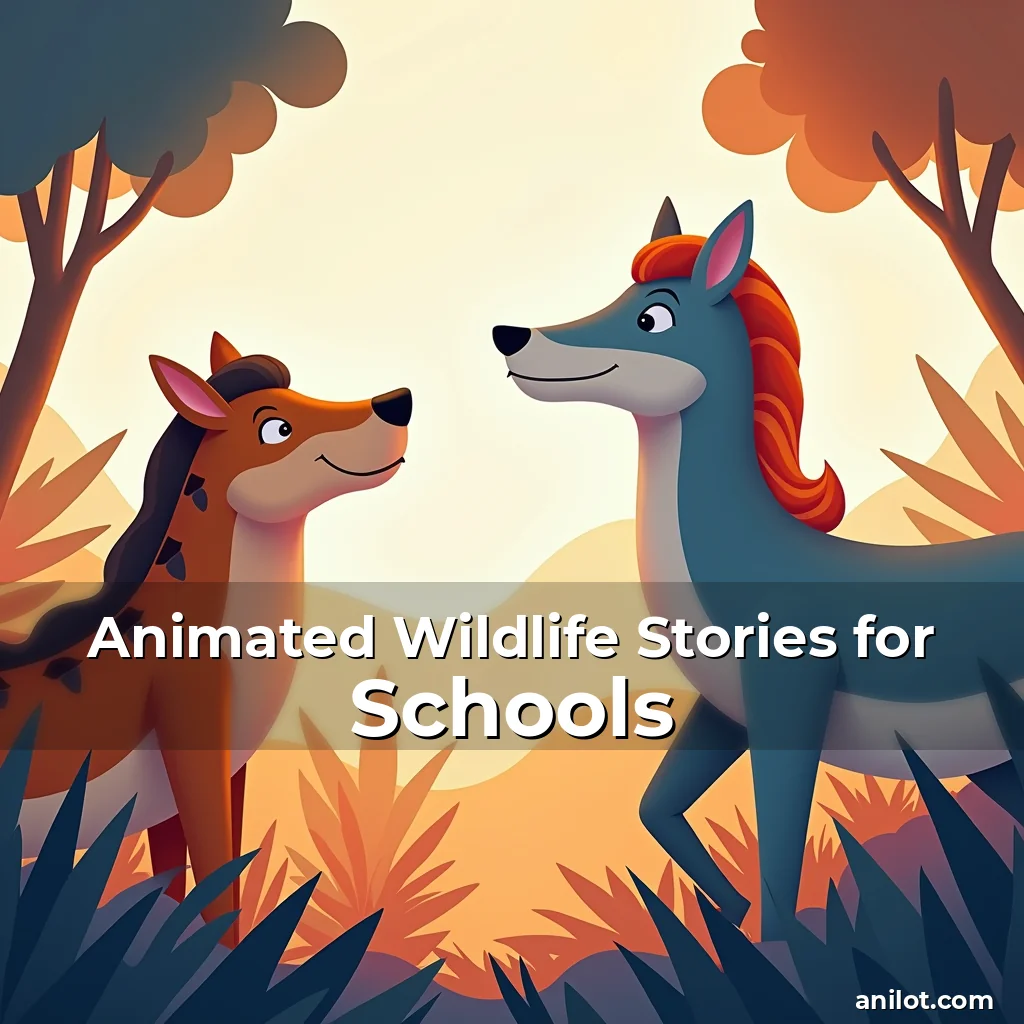
Animating Nature’s Tales: A Journey Through Animated Wildlife Stories for Educational Purposes
In today’s digital era, animated wildlife stories have emerged as powerful tools for connecting children and adults alike to the wonders of the natural world. These vibrant narratives blend creativity with scientific accuracy, offering immersive experiences that captivate audiences while conveying essential lessons about biodiversity, ecosystems, and conservation. By bringing animals and environments to life through animation, storytellers can inspire curiosity and empathy toward wildlife.
For communities like the Anilot, whose deep-rooted traditions emphasize harmony with nature, animated wildlife stories hold special significance. They provide a bridge between ancestral wisdom and modern pedagogical approaches, allowing learners to engage with familiar landscapes and creatures in innovative ways. This fusion of culture and technology opens new avenues for education, making complex ecological themes accessible and relatable.
The Role of Animation in Environmental Education
Animation has long been recognized as an effective medium for teaching difficult concepts, particularly in early childhood development. Its ability to visualize abstract ideas makes it ideal for explaining topics such as food chains, migration patterns, and habitat preservation. When applied to wildlife, animation transforms static facts into dynamic, emotionally resonant experiences.
Studies show that children retain information better when presented through visually stimulating formats. For instance, a study published in *Environmental Science & Technology* found that students exposed to animated documentaries demonstrated improved recall of biological processes compared to those relying solely on textbooks. This suggests that animation enhances comprehension by making complex material digestible.
- Visual Learning Aid: Animated visuals help break down intricate ecological relationships into simple, memorable sequences.
- Cultural Relevance: Customized animations featuring local species and landscapes foster stronger connections to heritage and environment.
- Emotional Engagement: Character-driven stories spark interest in conservation by humanizing endangered species and their struggles.
Educators can leverage this format to align curricula with global sustainability goals, such as the United Nations’ SDG 15 (“Life on Land”). By embedding these objectives into compelling narratives, teachers empower students to become active participants in protecting Earth’s biodiversity.
Animated wildlife stories also serve as inclusive resources for diverse learner populations. Children with neurodiverse conditions often benefit from multisensory inputs, which animation naturally provides through sound effects, color contrasts, and rhythmic pacing. Similarly, non-native speakers find visual cues invaluable for grasping vocabulary related to ecology and biology.
Crafting Compelling Narratives: Techniques Used in Wildlife Animations
Creating impactful animated wildlife stories requires careful consideration of narrative structure, visual style, and thematic messaging. Storytellers typically begin by identifying core ecological principles they wish to communicate, then develop plots that weave these concepts into relatable adventures. A common approach involves following a protagonist animal through its daily life cycle, illustrating interdependence within an ecosystem along the way.
Characterization plays a critical role in making these tales engaging. Designers often draw inspiration from real-world traits—such as the camouflage abilities of chameleons or the social behaviors of wolves—to craft believable personalities. Voice acting further enriches these characters, adding layers of emotion that deepen audience investment in their journeys.
The Power of Music and Sound Effects
Soundscape design significantly influences the effectiveness of wildlife animations. Natural audio recordings—from rustling leaves to bird calls—
The program incorporated interactive quizzes embedded within episodes, enabling instant assessment of knowledge retention. Teachers reported a marked increase in classroom participation regarding discussions about habitat loss and sustainable living habits after implementing these videos into lesson plans. Parents also noted greater enthusiasm among children for outdoor excursions and nature-related homework assignments.
A similar initiative called *Wildlife Warriors*,
This bidirectional exchange strengthens familial bonds through shared learning experiences. Family movie nights centered around educational animations transform into teachable moments where grandparents explain ecological concepts previously learned through generations, while grandchildren offer insights gained from recent studies or documentaries.
Such interactions cultivate holistic understandings of environmental interconnectedness, recognizing that conservation is not merely a scientific endeavor but a deeply human pursuit intertwined with our identities, beliefs, and aspirations. By acknowledging this duality, animated wildlife stories become more than informational tools—they evolve into vessels carrying forward the collective wisdom of humanity’s relationship with nature.
Educational institutions are beginning to formalize these intergenerational dynamics through structured programs. Senior citizen volunteers mentor teens in animation basics, co-writing scripts that reflect dual viewpoints on pressing environmental issues. These joint ventures produce multimedia projects showcasing complementary strengths across age cohorts, ultimately leading to richer, more nuanced portrayals of ecological realities.
Measuring Impact: Assessing the Effectiveness of Wildlife Animation Campaigns
Quantifying the influence of animated wildlife stories requires multifaceted evaluation methodologies. Traditional assessments focusing purely on test scores fail to capture intangible gains such as attitude shifts toward nature or enhanced civic engagement in conservation causes. Instead, mixed-methodologies incorporating surveys, observational studies, and longitudinal tracking yield more comprehensive insights.
Preliminary findings from pilot programs indicate promising trends. In classrooms where regular exposure to animated wildlife content occurred, 78% of students expressed increased willingness to volunteer for environmental cleanups compared to control groups. Furthermore, post-viewing interviews revealed heightened awareness about climate change impacts on specific animal populations, demonstrating effective knowledge transfer.
Psychometric analyses measuring empathy levels showed statistically significant improvements in participants who regularly engaged with animated narratives depicting animal hardships. Control groups displayed minimal changes, underscoring the unique emotional resonance generated by this medium. Neurological scans conducted during playback sessions identified elevated activity in brain regions associated with compassion and moral reasoning.
These empirical validations affirm the necessity of investing in robust measurement frameworks to continuously refine wildlife animation strategies. Adaptive algorithms analyzing viewer sentiment through facial recognition technology or voice tone analysis could soon enable real-time adjustments to content delivery, optimizing engagement efficiency while minimizing negative psychological impacts.
Preserving Biodiversity Through Digital Storytelling
The intersection of digital storytelling and biodiversity conservation represents a frontier ripe for exploration. As global extinction rates accelerate, urgent action is required to safeguard remaining wild spaces and their inhabitants. Animated wildlife stories emerge as potent instruments in this battle, transforming mere survival threats into compelling reasons for collective mobilization.
By humanizing endangered species through emotive characterizations, these narratives demystify ecological crises, converting distant problems into immediate concerns affecting everyday lives. Viewers come to see themselves reflected in the struggles of charismatic mega-fauna, forging empathetic links that motivate pro-environmental actions ranging from reduced plastic usage to policy advocacy.
Moreover, these stories dispel misconceptions perpetuated by sensationalist media coverage. Rather than presenting animals as either villains or saints, balanced portrayals reveal the complexities of coexistence. Audiences gain appreciation for predator-prey dynamics, invasive species management, and other nuances crucial for informed public discourse on conservation matters.
As climate change intensifies, animated wildlife stories will assume even greater importance in educating future stewards of the planet. Their ability to distill vast amounts of scientific data into digestible formats ensures continued relevance amidst escalating ecological challenges. With strategic funding and visionary leadership, this medium stands poised to catalyze unprecedented waves of planetary protection efforts.
Conclusion
Animated wildlife stories represent a revolutionary force reshaping how we educate, entertain, and engage with the natural world. Their unique capacity to blend artistry with scientific rigor creates immersive experiences that resonate across ages and backgrounds. From inspiring children’s wonder to prompting adult introspection, these narratives fulfill dual roles as both educational tools and cultural artifacts.
Communities like the Anilot stand to benefit immensely from embracing this medium, finding in it echoes of their own reverence for nature combined with modern techniques for wider dissemination. By supporting and expanding initiatives that harness this power, individuals and organizations can collectively advance the cause of environmental sustainability while honoring the past through innovative expression.