


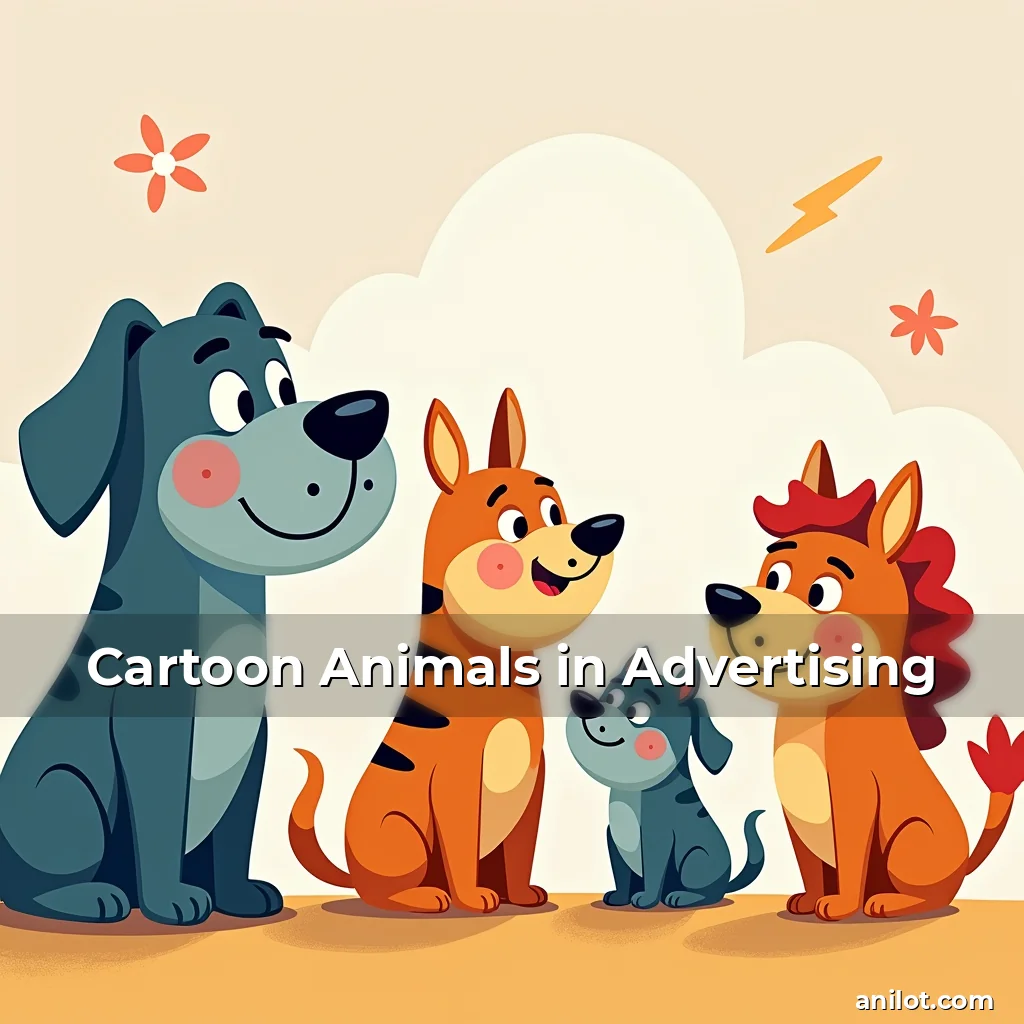
The Endless Charm of Cartoon Animals in Popular Culture
In a world increasingly dominated by digital media, cartoon animals remain a timeless source of joy and fascination. From classic characters like Snoopy to modern icons such as Pikachu, these animated creatures have captured hearts across generations. Their appeal lies not only in their visual appeal but also in their ability to convey complex emotions through simple designs.
This article explores how cartoon animals have shaped our cultural landscape over decades. We’ll examine their evolution from hand-drawn illustrations to sophisticated CGI creations that populate films, television shows, and even advertising campaigns today.
The Origins of Cartoon Animals
Cartoon animals date back to the early days of animation when pioneers like Walt Disney created iconic characters that would become household names. These early animations often featured anthropomorphic animals exhibiting human traits, allowing audiences to relate to them emotionally.
The first widely recognized cartoon animal was Felix the Cat, introduced in 1919 by Pat Sullivan. This black-furred feline became an instant sensation due to his mischievous yet lovable nature. His success paved the way for other memorable characters that would shape the future of animation.
A significant milestone occurred in 1928 with the debut of Mickey Mouse. Created by Ub Iwerks under Walt Disney’s supervision, this cheerful mouse revolutionized the industry. His appearance marked a turning point where cartoon animals began transcending mere entertainment to become cultural symbols.
The golden age of cartoons saw the rise of Looney Tunes characters like Bugs Bunny and Daffy Duck. These clever rabbits and ducks showcased comedic talents that made them enduring favorites among viewers of all ages.
- Anthropomorphism: The practice of attributing human characteristics to non-human entities allows audiences to form emotional connections with cartoon animals.
- Simplicity of Design: Early cartoonists focused on clean lines and recognizable features which enhanced memorability while reducing production complexity.
Creative teams continue to draw inspiration from these foundational elements. Modern animators maintain core principles established during animation’s infancy while incorporating contemporary storytelling techniques and technological advancements.
Evolution Through Different Media Formats
The transition from traditional hand-drawn animation to computer-generated imagery has transformed how cartoon animals are brought to life. This shift enabled creators to achieve previously unimaginable levels of realism and detail within animated worlds.
Television programming played a crucial role in popularizing cartoon animals worldwide. Shows like The Simpsons and Peanuts demonstrated how these characters could be used to explore serious themes while maintaining their playful essence.
Film studios capitalized on this popularity with feature-length productions featuring beloved animal characters. Movies such as Babe and Chicken Little showed audiences how compelling narratives could emerge from seemingly simple animated protagonists.
Digital platforms have further expanded opportunities for cartoon animals. Streaming services now host entire libraries dedicated to animated series featuring talking animals, reaching global audiences at unprecedented scales.
Interactive media has opened new dimensions for audience engagement. Video games like Nintendo Animal Crossing allow players to interact with cartoon animals in immersive virtual environments that respond dynamically to user input.
Psychological Appeal of Cartoon Animals
Research indicates that humans naturally find animals appealing due to evolutionary instincts related to survival and companionship. When these traits are amplified through cartoonization, they create powerful emotional responses that can influence consumer behavior.
Studies show that people tend to trust cartoon animals more than human characters in certain contexts. This phenomenon may stem from perceptions of innocence associated with childhood memories involving animated creatures.
Marketing experts leverage this psychological tendency strategically. Brands use friendly cartoon animals to build brand loyalty by associating positive experiences with their products through consistent character portrayals.
Cartoon animals also serve therapeutic purposes in various settings. They appear frequently in children’s hospitals and rehabilitation centers where their presence helps reduce anxiety and promote healing processes.
Statistical Insights
Data from market research firms reveals fascinating trends regarding cartoon animal preferences. A survey conducted by Nielsen found that 68% of consumers aged 18-35 prefer advertisements featuring cartoon animals over those using live-action footage.
Further analysis indicated that characters with exaggerated expressions (such as wide eyes or oversized mouths) were 40% more effective in capturing viewer attention compared to traditionally proportioned figures.
These findings underscore the effectiveness of cartoon animals in communication strategies. By understanding behavioral patterns linked to animated representations, advertisers gain valuable tools for influencing public perception.
Interestingly, demographic data suggests that cartoon animals resonate differently with various groups. While younger audiences favor more stylized designs, older individuals typically respond better to realistic depictions with subtle expressive cues.
Iconic Cartoon Animal Characters Across Cultures
Cultural variations significantly impact the portrayal and acceptance of cartoon animals globally. In Western countries, there is greater emphasis on individuality and distinct personalities within each species.
Eastern cultures often emphasize harmony between different types of animals. Japanese anime frequently showcases diverse animal species coexisting peacefully despite inherent differences.
Educational institutions utilize cartoon animals to teach cross-cultural awareness. Textbooks featuring characters from both Eastern and Western traditions help students understand differing societal values reflected through animated representation.
Multinational corporations carefully adapt their cartoon mascots according to regional sensibilities. McDonald’s Golden Arches, for instance, features slightly different animal companions depending upon local customs and beliefs.
This thoughtful adaptation ensures broader accessibility without compromising brand identity. Creative directors work closely with cultural consultants to ensure respectful portrayals that honor traditional symbolism.
Modern Innovations in Cartoon Animation Techniques
Advancements in technology have led to remarkable innovations in cartoon creation methods. Motion capture technology enables animators to translate real-life movements into highly accurate digital performances.
Artificial intelligence now assists in generating background scenes based on narrative requirements. This reduces workload for artists while maintaining creative control over final outputs.
Virtual reality integration offers interactive experiences where users can engage with cartoon animals in three-dimensional spaces. Theme parks already employ VR-enhanced attractions featuring animated creatures interacting with visitors.
Augmented reality applications bring cartoon animals into everyday environments. Mobile apps allow users to place virtual pets alongside real-world objects creating novel forms of digital interaction.
Blockchain technology introduces new possibilities for ownership verification. Collectors can acquire limited edition digital pet NFTs that represent exclusive access to special animation assets.
Cartoon Animals in Education and Therapy
Educational programs incorporate cartoon animals to enhance learning experiences for young children. Animated stories featuring these characters make abstract concepts easier to grasp through relatable narratives.
Speech therapy sessions sometimes use cartoon animals to demonstrate pronunciation techniques. Visual aids provided by these characters assist patients struggling with articulation challenges.
Autism spectrum disorder treatment facilities benefit greatly from cartoon animals’ predictable behaviors and non-threatening appearances. Therapists use them as mediators during social skills development exercises.
Cognitive behavioral therapy incorporates cartoon animals to illustrate coping mechanisms. Patients visualize themselves as brave lions facing fears or wise owls contemplating solutions.
School curricula integrate cartoon animals into science lessons. Topics ranging from ecosystems to genetic inheritance are explained through adventures experienced by animated animal characters.
The Future of Cartoon Animals in Digital Spaces
Rapid technological progress promises exciting developments in the realm of cartoon animals. As artificial intelligence becomes more sophisticated, we may see fully autonomous animated characters capable of independent thought and decision-making.
Immersive technologies like brain-computer interfaces might enable direct mental interactions with cartoon animals. Users could potentially communicate thoughts with their favorite animated friends simply by focusing on them.
Quantum computing could revolutionize rendering capabilities allowing hyper-realistic cartoon animals indistinguishable from actual living beings. Such advancements raise philosophical questions about consciousness and sentience.
Social media platforms may evolve to include personalized cartoon animal avatars reflecting users’ identities more accurately. These digital representations could adapt in real-time responding appropriately to changing situations.
Environmental concerns may lead to eco-friendly cartoon animals made from sustainable materials. Virtual versions could replace physical toys promoting greener consumption habits without sacrificing nostalgic appeal.
Conclusion
From their humble beginnings in early animation experiments to their current status as global pop culture phenomena, cartoon animals have continually adapted to meet evolving artistic standards and technological capabilities.
Their enduring appeal stems from a perfect balance between simplicity and expressiveness enabling connection across cultural boundaries. Whether appearing in educational settings, therapeutic practices, or entertainment industries, cartoon animals maintain their relevance through constant reinvention.


news is a contributor at AniLot.com. We are committed to providing well-researched, accurate, and valuable content to our readers.
You May Also Like

Designing Cartoon Animals
The Artistic World of Cartoon Animals: A Creative Exploration In today's vibrant artistic landscape, cartoon animals have emerged as a...
Animated Animal Content for YouTube
The Art of Animated Animal Content Creation: A Deep Dive into Crafting Engaging Wildlife Animations In the vibrant world of...
Animal Cartoons Streaming Services
The World of Animal Cartoons: A Journey Through Whimsy and Wonder In today’s digital age, animal cartoons have transcended mere...
Binge-Worthy Animal-Themed Shows
Binge-Worthy Animal-Themed Shows In recent years, animal-themed television programming has captured global audiences across diverse age groups and cultures. From...