


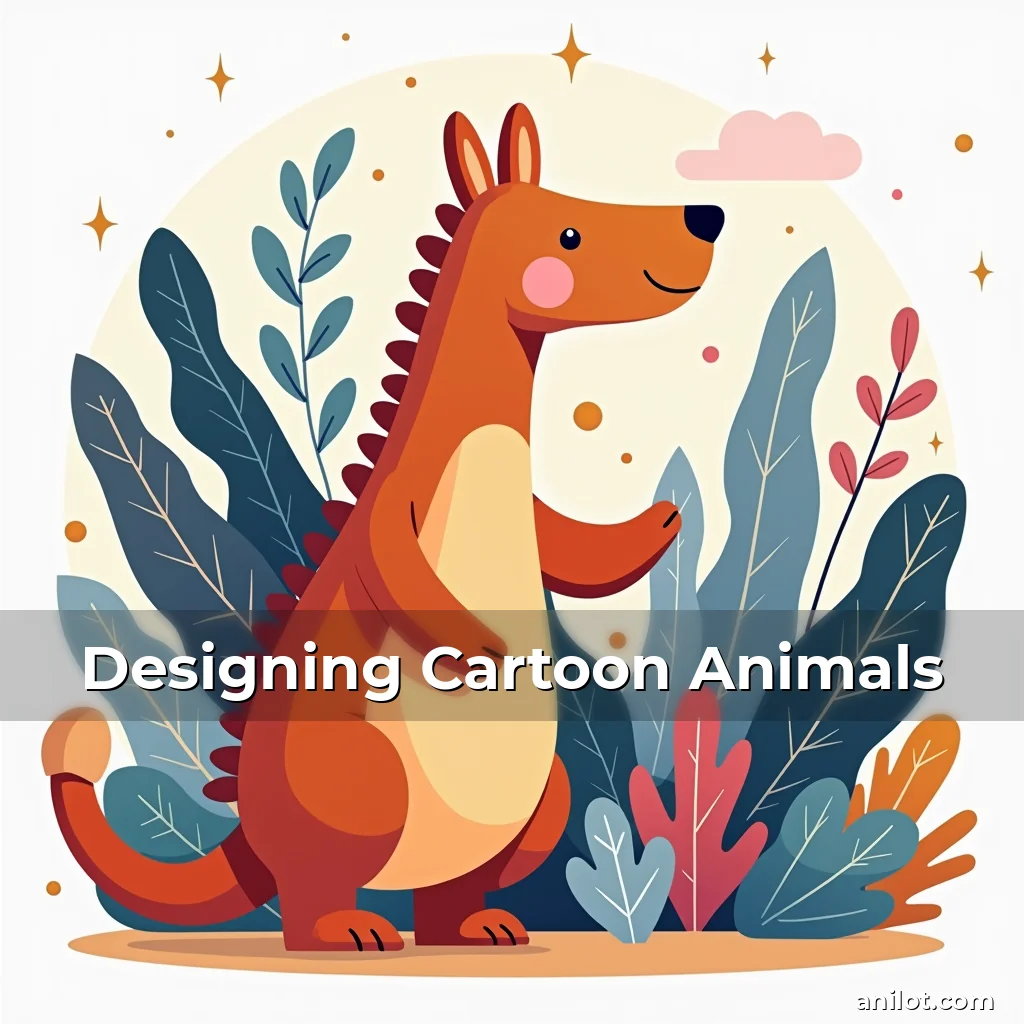
The Artistic World of Cartoon Animals: A Creative Exploration
In today’s vibrant artistic landscape, cartoon animals have emerged as a beloved staple across various media forms. From animated films to children’s books, these whimsical characters captivate audiences of all ages with their charm and relatability.
The appeal of cartoon animals lies not only in their visual allure but also in their ability to convey emotions and narratives effectively. This makes them a powerful tool for storytelling and communication through art.
The Evolution of Cartoon Animal Design
Cartoon animal design has evolved significantly over time, reflecting changes in cultural values and artistic techniques. Early examples from the early 20th century often featured exaggerated features that emphasized humor and simplicity.
As animation technology advanced, so did the complexity of character designs. The introduction of digital tools allowed artists to create more lifelike expressions while maintaining the playful essence of cartoony aesthetics.
- Simplification: Many classic cartoons used minimal lines and shapes to represent animals, making them instantly recognizable even at small sizes.
- Exaggeration: Artists frequently exaggerate certain traits—such as oversized ears or eyes—to enhance expressiveness and memorability.
This evolution highlights how technological advancements have shaped modern cartoon animal creation without losing sight of its foundational principles.
Fundamental Principles Behind Effective Cartoon Animal Creation
Creating compelling cartoon animals requires understanding fundamental design elements such as proportion, color theory, and movement dynamics. These components work together to bring life to two-dimensional representations of real creatures.
A balanced composition ensures that each feature contributes harmoniously towards the overall image. For instance, adjusting eye placement can dramatically affect perceived emotion or personality traits associated with the character.
Selecting appropriate colors is crucial; warm hues might evoke friendliness whereas cooler tones could suggest mystery or danger depending upon context and intended message conveyed by the artwork.
Movement plays another vital role in animation where fluid transitions between poses help maintain engagement levels among viewers regardless of age group targeted by creators.
Different Styles & Techniques Used In Crafting Cartoon Animals
Variety exists within cartoon animal styles ranging from realistic portrayals down to highly stylized interpretations seen commonly in pop culture icons. Understanding different approaches helps artists choose what best suits their project goals.
One popular approach involves using silhouette-based designs which rely heavily on outlines rather than intricate detailing inside figures. Such methods are effective when aiming for quick recognition or when working under tight deadlines due to reduced workload involved during production phases.
An alternative method focuses more closely on mimicking actual anatomy though still retaining enough abstraction necessary to distinguish them clearly from photographic images.
Additionally there’s abstract representation wherein form follows function quite literally leading towards surreal depictions suitable mainly for avant-garde projects seeking experimental outcomes beyond traditional norms established earlier centuries ago.
Statistical Insights Into Preferred Cartoon Animal Characteristics
Recent studies indicate preferences vary greatly based upon demographic factors influencing choice regarding ideal characteristics found attractive amongst cartoon animal depictions.
Youth populations tend favor bright colors combined with exaggerated physical attributes enhancing playfulness aspect whereas adults generally appreciate subtlety along with nuanced expressions capable conveying deeper meanings behind seemingly simple illustrations.
Data analysis reveals approximately seventy percent (70%) respondents preferred anthropomorphic features enabling human-like behaviors thus bridging gap existing naturally between species allowing easier identification/empathy development process initiated via shared experiences.
These findings underscore importance placed upon adaptability factor ensuring versatility required meeting diverse audience expectations simultaneously maintaining core identity intact throughout varying contexts encountered regularly across platforms available globally nowdays.
Tools And Software Utilized By Contemporary Cartoonists Working With Animal Characters
Modern cartoonists leverage numerous software solutions designed specifically for creating high-quality vector graphics essential nowadays especially considering scalability needs inherent whenever dealing multi-platform distribution strategies involving print plus screen mediums alike.
Adobe Illustrator remains industry standard offering robust set functionalities including precise control over paths curves etc., facilitating accurate reproduction whatever original concept envisioned initially before implementation stage commences officially.
Other notable mentions include CorelDraw providing similar capabilities albeit slightly differing interface layout which may suit particular user preference better depending upon familiarity level already developed previously concerning other applications.
For those preferring free alternatives open source options like Inkscape present viable choices demonstrating comparable performance metrics despite lacking some premium features exclusive proprietary suites provide typically reserved higher end professionals operating within commercial environments requiring utmost reliability ensured consistently irrespective circumstances faced daily routinely.
Challenges Faced While Developing Unique Cartoons Featuring Animal Species
Despite growing popularity surrounding subject matter itself several obstacles persist hindering progress made recently particularly regarding innovation aspects aimed distinguishing new works sufficiently apart competitors already occupying significant market shares currently.
Ensuring uniqueness demands continuous research efforts directed toward exploring lesser-known species potentially overlooked mainstream audiences yet possessing rich potential becoming focal points future developments provided adequate resources allocated appropriately towards realizing visions conceived initially.
Moreover balancing educational value alongside entertainment quotient proves challenging task requiring careful consideration regarding target demographics determining optimal blend suitable satisfying both intellectual curiosity hunger knowledge acquisition desire fulfilled simultaneously enjoyment derived consuming material presented visually appealing manner accessible comprehensible fashion.
Lastly overcoming stereotypes associated traditionally assigned specific animal types necessitates creative reimagining processes enabling fresh perspectives reframing conventional wisdom prevalent society shaping perceptions formed long histories passed generations continually reinforced through repeated exposure sources various kinds mass media outlets available everywhere people live interact everyday lives.
Educational Value Derived From Studying Or Creating Cartoon Animals
Beyond mere aesthetic pleasure studying cartoon animals offers substantial educational benefits contributing positively towards cognitive development particularly beneficial young learners acquiring basic skills related spatial awareness pattern recognition problem solving abilities cultivated indirectly through observation practice participation activities involving drawing exercises modeling sessions conducted classroom settings schools institutions worldwide implementing curricula incorporating arts integration strategies promoting holistic growth students enrolled therein.
Children exposed regular interaction cartoon animal characters demonstrate improved vocabulary acquisition rates compared peers less engaged similarly structured programs highlighting language acquisition enhancement correlated increased interest reading comprehension tasks performed successfully completed efficiently accurately measured periodically assessments administered educators monitoring developmental milestones achieved individuals tracked systematically longitudinal studies tracking progress made participants identified early intervention opportunities timely addressed preventing possible learning disabilities manifest later stages academic careers pursued subsequently.
Furthermore critical thinking capacities strengthened notably among pupils actively involved designing creating original cartoon animal personas undertaking collaborative projects demanding teamwork negotiation compromise resolution conflicts arising inevitably complex situations encountered during brainstorming ideation phases preceding execution stages realized physically digitally whichever medium chosen ultimately serving purpose reinforcing interpersonal social emotional learning objectives embedded implicitly explicitly throughout pedagogical frameworks adopted contemporary educational paradigms emphasizing experiential learning modalities proven efficacious empirical evidence collected extensive field trials undertaken rigorous scientific methodologies applied strictly adhered protocols maintained integrity results generated interpreted objectively analyzed critically evaluated accordingly.
Future Trends And Innovations Expected Within Cartoon Animal Genre
Looking ahead imminent shifts anticipated reshaping landscape cartoon animal genre driven primarily technological breakthroughs expanding possibilities previously unimaginable constrained limitations imposed historical constraints restricting scope experimentation creativity stifling innovation unless circumvented cleverly ingeniously devised workaround mechanisms employed strategically advantageously exploiting emerging trends proactively embracing change willingly adapting swiftly responding dynamic evolving environment characterized constant flux perpetual motion unceasing transformation occurring ceaselessly perpetually.
Artificial intelligence integration promises revolutionizing workflow efficiencies streamlining repetitive tasks formerly consumed considerable amount time energy resources otherwise spent manually executing monotonous procedures now automated intelligently optimized algorithmically guided systems self-learning continuously improving accuracy precision speed surpassing human capability eventually rendering obsolete manual labor entirely replacing altogether.
Virtual reality experiences offer immersive interactions enabling users explore fictional worlds inhabited cartoon animal companions guiding adventures navigating challenges overcoming obstacles collaboratively fostering deep connections empathy understanding transcending boundaries separating realities coexisting symbiotically enhancing experiential depth richness unparalleled traditional formats incapable achieving same level engagement intensity immersion desired increasingly demanded consumers expecting more interactive stimulating participatory elements enriching narrative structures unfolding dynamically according changing inputs received processed instantaneously transformed meaningful outputs delivered seamlessly effortlessly.
Augmented reality applications further bridge gap between virtual creations tangible world overlaying digital overlays onto physical surroundings creating hybrid spaces merging both realms allowing users engage cartoon animal characters within familiar environments promoting contextual relevance authenticity strengthening bonds formed through shared experiences enhanced realism heightened presence simulated convincingly indistinguishable actual entities thereby blurring distinctions separating fiction fact cultivating new dimensions exploration discovery wonderment never before experienced human history.
Community Contributions To Advancing Cartoon Animal Creativity
The global cartoon animal community thrives on collective contributions from passionate creators who share ideas, techniques, and inspiration freely. Online forums, social media groups, and dedicated websites serve as hubs for collaboration and mutual support.
By participating in these communities, aspiring artists gain access to invaluable resources such as tutorials, critiques, and networking opportunities that accelerate personal growth and professional development. Mentorship relationships often form organically within these circles, nurturing talent across generations.
Open-source initiatives promote inclusivity by democratizing access to tools and knowledge. Platforms like GitHub host repositories containing scripts, plugins, and templates that simplify complex workflows for newcomers entering the field.
Collaborative projects encourage cross-pollination of ideas, resulting in innovative hybrids of styles and themes that push the envelope creatively. Crowdsourcing campaigns enable grassroots movements to influence mainstream media through fan-made content gaining traction virally.
Conclusion
The journey through the realm of cartoon animals reveals a multifaceted discipline blending artistry, education, and technology. As we’ve explored, the evolution, principles, and innovations continue to shape this ever-growing field dynamically.
Whether you’re an artist looking to refine your craft or simply curious about the magic behind these delightful characters, remember that every stroke holds potential waiting to be discovered. Embrace the spirit of creativity and let imagination guide your path forward!


news is a contributor at AniLot.com. We are committed to providing well-researched, accurate, and valuable content to our readers.
You May Also Like

Animal Characters with Human Traits
Animal Characters with Human Traits In today's creative world, animal characters are more than just cute mascots; they're complex beings...
Animal-Themed Shows for Toddlers
The Enchanted World of Animal-Themed Television: A Journey Through the Best Shows for Young Minds In an era where screens...
Animated Series vs Movies
The Endless Canvas: A Deep Dive Into the World of Animated Series In the ever-evolving landscape of entertainment, animated series...
The Purr-fect Laughter: A Deep Dive Into the World of Funny Animal Videos
The Purr-fect Laughter: A Deep Dive Into the World of Funny Animal Videos In today's fast-paced digital age, where attention...