


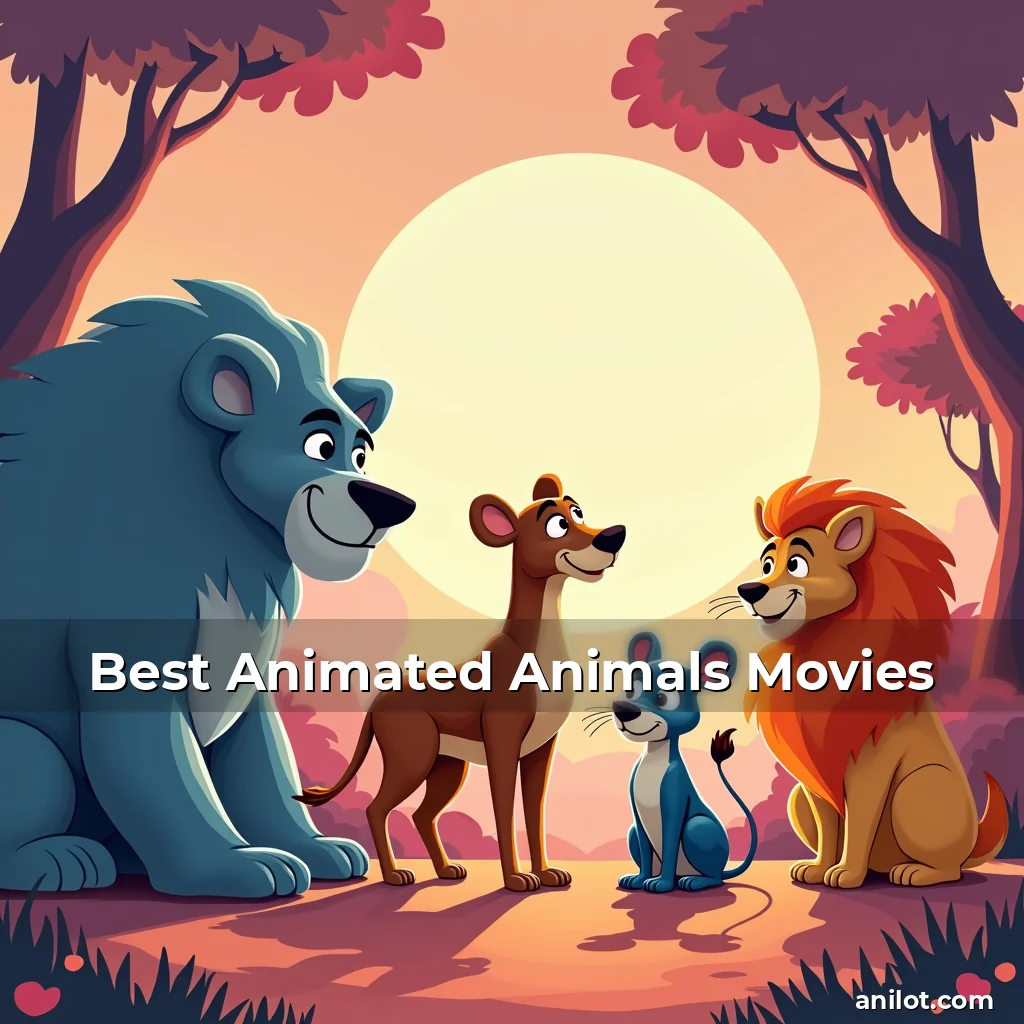
The Enchanting World of Animated Animal Adventures
In recent years, animated films featuring anthropomorphic animal characters have captured the hearts of audiences worldwide. These stories blend vivid storytelling with imaginative designs that bring creatures from every corner of the natural world to life in extraordinary ways.
From forest-dwelling heroes to oceanic explorers, animated animal movies offer unique perspectives that challenge our perceptions of wildlife while delivering powerful messages about environmental conservation and friendship across species boundaries.
The Evolution of Animal Animation Through Time
Animated animal films date back to early 20th-century cartoons, where simple pencil sketches brought feline and canine companions to television screens. These rudimentary animations laid the foundation for modern cinematic techniques now used by studios around the globe.
As technology advanced through decades, animators developed sophisticated methods such as stop-motion animation, traditional hand-drawn styles, and groundbreaking CGI techniques that revolutionized how we see these lovable characters on screen.
The transition from black-and-white reels to vibrant full-color productions marked significant milestones in bringing animal characters closer to their real-life counterparts in terms of both appearance and behavior.
- Early Innovations: Pioneering works like Disney’s “The Reluctant Dragon” introduced talking animals as narrative devices
- Cultural Impact: The success of “Bambi” demonstrated that emotional depth could be achieved even without human characters
Pioneering Studios That Shaped the Genre
Several key animation studios have played crucial roles in defining what we know today as animated animal cinema. Their collective contributions span generations and continue influencing contemporary filmmakers.
Disney remains synonymous with beloved animal-centric tales, having produced classics like “The Lion King,” which transformed African savannah predators into iconic figures representing courage and leadership.
Meanwhile, DreamWorks has carved out its own niche through franchises like “Madagascar,” showcasing comedic potential when wild animals find themselves in unexpected urban environments.
Other notable names include Pixar, whose “Finding Nemo” redefined underwater narratives by focusing on marine life experiences, and Illumination Entertainment behind “Despicable Me,” demonstrating how animals can thrive within family-friendly adventures.
Diverse Genres Within Animated Animal Cinema
The versatility of animated animal characters allows them to explore various genres beyond traditional children’s entertainment. This diversity keeps the genre fresh and appealing to wider audiences.
Action-packed adventures feature brave protagonists facing off against formidable foes, often blending humor with intense sequences that appeal to older viewers seeking thrilling escapades alongside familiar furry faces.
Romantic comedies utilize animal personas to navigate love stories with universal themes yet uniquely charming twists, offering heartwarming plots wrapped in whimsical settings.
Mystery thrillers introduce suspenseful elements where clever animal detectives solve crimes using skills inherent to their species, providing cerebral challenges wrapped in colorful visuals.
- Adventure Series: Films like “Kung Fu Panda” combine martial arts with slapstick comedy for dynamic fight scenes
- Fantasy Worlds: Studio Ghibli’s “My Neighbor Totoro” creates magical realms inhabited by mystical woodland creatures
Iconic Characters That Defined Generations
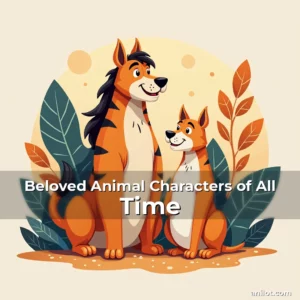
Some animal characters have become so deeply embedded in popular culture that they transcend mere fictional beings, becoming cultural touchstones recognized globally.
Bugs Bunny’s mischievous antics defined classic Looney Tunes episodes, establishing him as one of animation history’s most enduring icons despite his rabbit form.
Simpsons’ Homer Simpson is not technically an animal but shares characteristics with many anthropomorphic creations through his exaggerated physical features reminiscent of certain species.
These characters showcase how animation enables storytellers to craft personalities that resonate universally regardless of biological classification.
Technological Advancements Driving Modern Production
Contemporary animated animal films rely heavily on cutting-edge technologies that enable unprecedented realism in character design and motion capture processes.
Voice actors now work closely with animators using performance-capture suits that translate subtle facial expressions into digital models capable of conveying complex emotions accurately.
This integration between live-action performances and computer-generated imagery ensures that each animal character feels authentically expressive rather than mechanically stiff.
Additionally, advancements in rendering software allow creators to simulate realistic fur textures and movement patterns specific to different species, enhancing visual fidelity significantly.
Educational Value Embedded In Entertaining Narratives
Many animated animal films serve dual purposes by entertaining young audiences while subtly imparting knowledge about ecosystems and wildlife preservation efforts.
Through carefully crafted storylines involving endangered species or threatened habitats, producers aim to raise awareness among impressionable viewers who may carry these lessons forward into adulthood.
Interactive educational components sometimes appear within movie packages, including bonus materials explaining real-world parallels to events depicted on screen.
Such approaches make learning enjoyable by wrapping scientific facts inside compelling narratives featuring relatable animal protagonists.
Cross-Cultural Perspectives On Animal Storytelling
Animal-themed animation varies widely across cultures, reflecting distinct values and traditions associated with particular regions or communities.
In Japanese anime, animals frequently embody supernatural powers or mythical status, differing markedly from Western portrayals focused more on anthropomorphization than literal transformation.
Indian animated series often incorporate moral lessons derived from ancient texts and folklore, creating didactic yet engaging content suitable for diverse age groups.
This cross-cultural exchange enriches global animation landscapes by promoting mutual understanding through shared appreciation for animal-based narratives.
Emerging Trends And Future Directions For The Genre
The future of animated animal cinema appears bright with emerging trends pointing toward innovative storytelling formats and enhanced technological capabilities.
Virtual reality experiences are beginning to integrate animated animal worlds, allowing immersive interactions previously unimaginable in conventional film formats.
Artificial intelligence tools assist writers in developing nuanced dialogues tailored specifically to different species’ behavioral traits, ensuring authenticity in speech patterns.
Collaborations between biologists and animators create scientifically accurate depictions that educate as much as they entertain, pushing creative boundaries responsibly.
Community Engagement And Fan Cultures Around Animal Anime
A dedicated fanbase has formed around animated animal media, generating extensive online discussions and creative reinterpretations of favorite characters.
Online platforms host forums where enthusiasts analyze plot structures, compare character arcs, and debate thematic interpretations found in various productions.
Conventions regularly feature panels discussing production secrets, artist interviews, and sneak previews of upcoming projects centered around beloved animal mascots.
This communal aspect strengthens bonds between fans and creators alike, fostering ongoing dialogue that shapes future developments in the field.
Conclusion
Animated animal films occupy a special place in cinematic history due to their ability to connect people emotionally while educating them about nature’s wonders.
By embracing both artistic innovation and scientific accuracy, this genre continues evolving beautifully, promising exciting new chapters filled with captivating animal-led stories waiting to be discovered.
“`


news is a contributor at AniLot.com. We are committed to providing well-researched, accurate, and valuable content to our readers.
You May Also Like

Animation for Kids Learning
Animating Adventures: Fun & Educational Animation for Kids In today's digital age, animation has become a powerful tool for both...
Pet Animation Instagram
Pet Animation Instagram: Crafting Digital Companions That Capture Hearts In the vibrant world of digital artistry, pet animation has emerged...
Educational Animal-Themed Shows
Educational Animal-Themed Shows: A Deep Dive Into Wildlife Entertainment In today's digital age, educational animal-themed shows are reshaping how we...
Beloved Animal Characters of All Time
Beloved Animal Characters of All Time In the vast landscape of storytelling, animal characters have long held a special place...