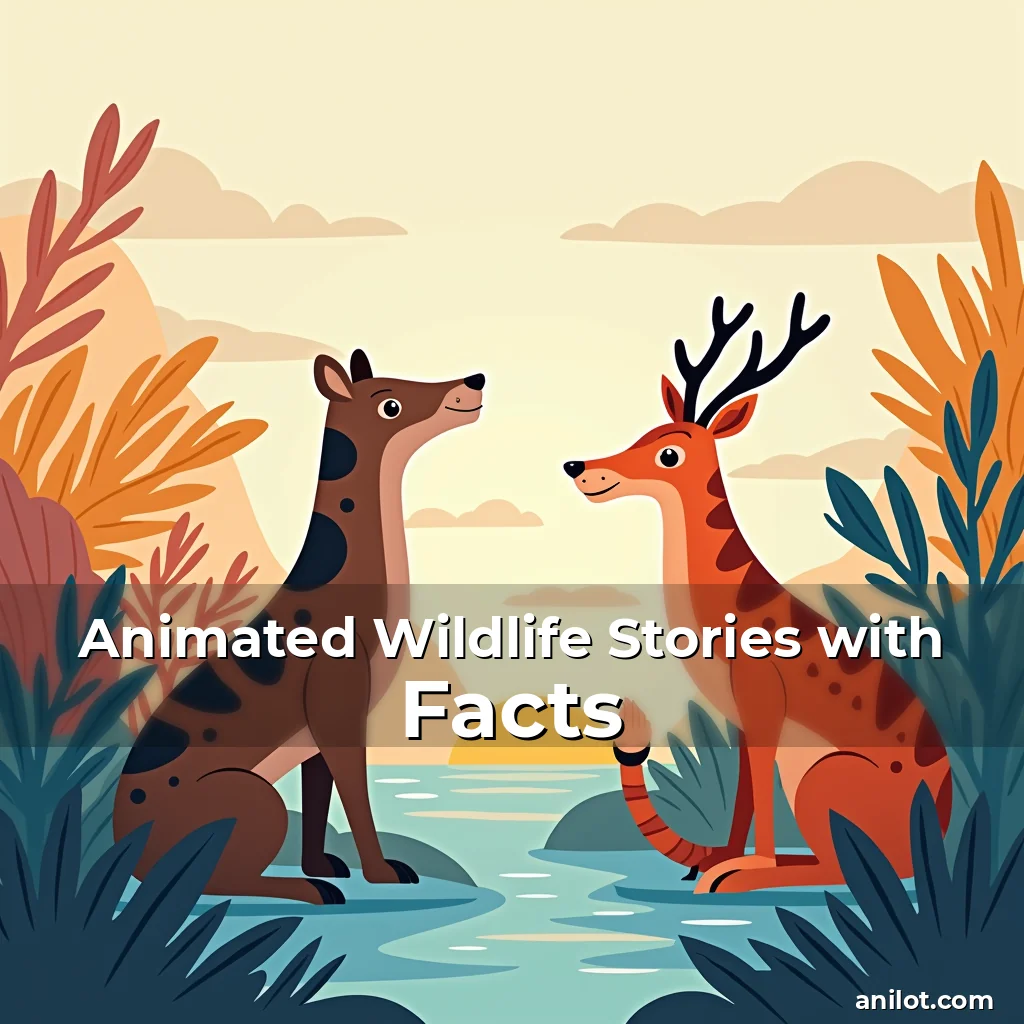
Animated Wildlife Stories with Facts
The world of animated wildlife storytelling has evolved from simple children’s tales to intricate narratives that educate as much as they entertain. These stories bring nature’s wonders to life through vibrant animation, offering both insight and inspiration.
In recent years, animated wildlife stories have gained popularity not only among young audiences but also among adults seeking meaningful connections with the natural world. This blend of education and entertainment makes them particularly appealing across generations.
The Power of Animation in Wildlife Narratives
Animation serves as a powerful tool for visualizing complex ecosystems and animal behaviors that might be difficult to portray realistically. It allows creators to exaggerate certain features while maintaining scientific accuracy where necessary.
This medium can depict entire lifecycles within minutes, showing everything from birth to death in ways that would take far longer using live-action footage. The flexibility of animation enables storytellers to explore various environments without geographical limitations.
- Simplified Concepts: Complex ecological relationships are made accessible by simplifying interactions between species for better understanding.
- Creative Freedom: Animators can invent fantastical elements inspired by real-world phenomena, making learning more enjoyable and memorable.
Educational Value of Animated Wildlife Stories
Beyond their entertaining aspects, these animations often carry significant educational value. They introduce viewers to diverse habitats, conservation issues, and biological processes in an engaging format suitable for learners of all ages.
By integrating factual information seamlessly into compelling storylines, educators find these resources invaluable when teaching environmental science topics. Students retain knowledge better when presented with relatable characters and situations.
Impact on Environmental Awareness
Studies show that exposure to animated documentaries increases viewer engagement with environmental causes. Children who watch such programs demonstrate higher levels of curiosity about nature compared to those exposed solely to traditional textbooks.
A survey conducted by the National Geographic Society found that 68% of participants aged 8–12 expressed interest in volunteering for conservation efforts after viewing animated wildlife content regularly.
Notable Examples of Animated Wildlife Stories
Films like Disney’s “The Lion King” and DreamWorks’ “Madagascar” have successfully combined fictional elements with realistic depictions of animal behavior. While not strictly documentary-style productions, they still convey essential messages about survival and coexistence.
Documentary series such as BBC Earth’s “Planet Earth II” use advanced CGI techniques to create immersive experiences that rival actual fieldwork recordings. These visualizations help bridge gaps in public understanding regarding endangered species and climate change impacts.
Cultural Significance and Global Perspectives
Different cultures around the globe contribute unique perspectives to animated wildlife storytelling traditions. From Japanese anime depicting mythical creatures alongside real animals to African folklore featuring anthropomorphic beasts, each region offers distinct narrative styles.
These cultural variations enrich global appreciation for biodiversity while promoting cross-cultural dialogue about shared challenges facing wildlife today. Understanding these differences fosters greater empathy towards different approaches to conservation worldwide.
Technological Advancements Shaping Future Storytelling
Recent technological innovations continue pushing boundaries in how we tell animated wildlife stories. Virtual reality applications allow users to experience rainforests or coral reefs firsthand, creating deeper emotional bonds with wildlife communities.
Artificial intelligence is being utilized to generate hyper-realistic simulations based on data collected from satellite imagery and sensor networks deployed across various biomes globally. These tools enable researchers to predict ecosystem changes accurately before they occur naturally.
Potential Challenges Facing Animated Wildlife Storytelling
Despite its many advantages, there remain ethical concerns surrounding the portrayal of wild animals in fiction. Misrepresentations could lead to misunderstandings about true animal behavior which may affect future conservation attitudes negatively.
Additionally, balancing creative freedom against factual integrity poses ongoing dilemmas for writers and animators aiming to craft stories that resonate emotionally yet stay grounded in reality.
Community Engagement Through Interactive Media
Interactive platforms offer new avenues for audience participation in animated wildlife projects. Gamified apps let players virtually care for virtual pets representing endangered species, raising awareness simultaneously through play-based learning models.
Augmented reality filters used during social media campaigns encourage people to share photos featuring digitally enhanced versions of local fauna, sparking conversations about habitat preservation within online spaces frequented by younger demographics.
Future Trends and Opportunities Within the Field
Emerging trends suggest increased collaboration between scientists and artists working together on multimedia initiatives aimed at combating misinformation related to climate change effects on wildlife populations.
With growing demand for interactive digital content, expect further integration of user-generated material into mainstream animated wildlife programming formats designed specifically for mobile devices accessing internet services anytime anywhere.
Conclusion
Animated wildlife stories serve dual purposes—entertainment and education—offering fresh perspectives on our planet’s rich tapestry of life forms inhabiting varied landscapes worldwide.
As technology advances and societal values shift toward sustainability, embracing innovative methods like augmented reality promises exciting possibilities for deepening human-animal connections through visually stunning narratives crafted collaboratively by experts from multiple disciplines.