


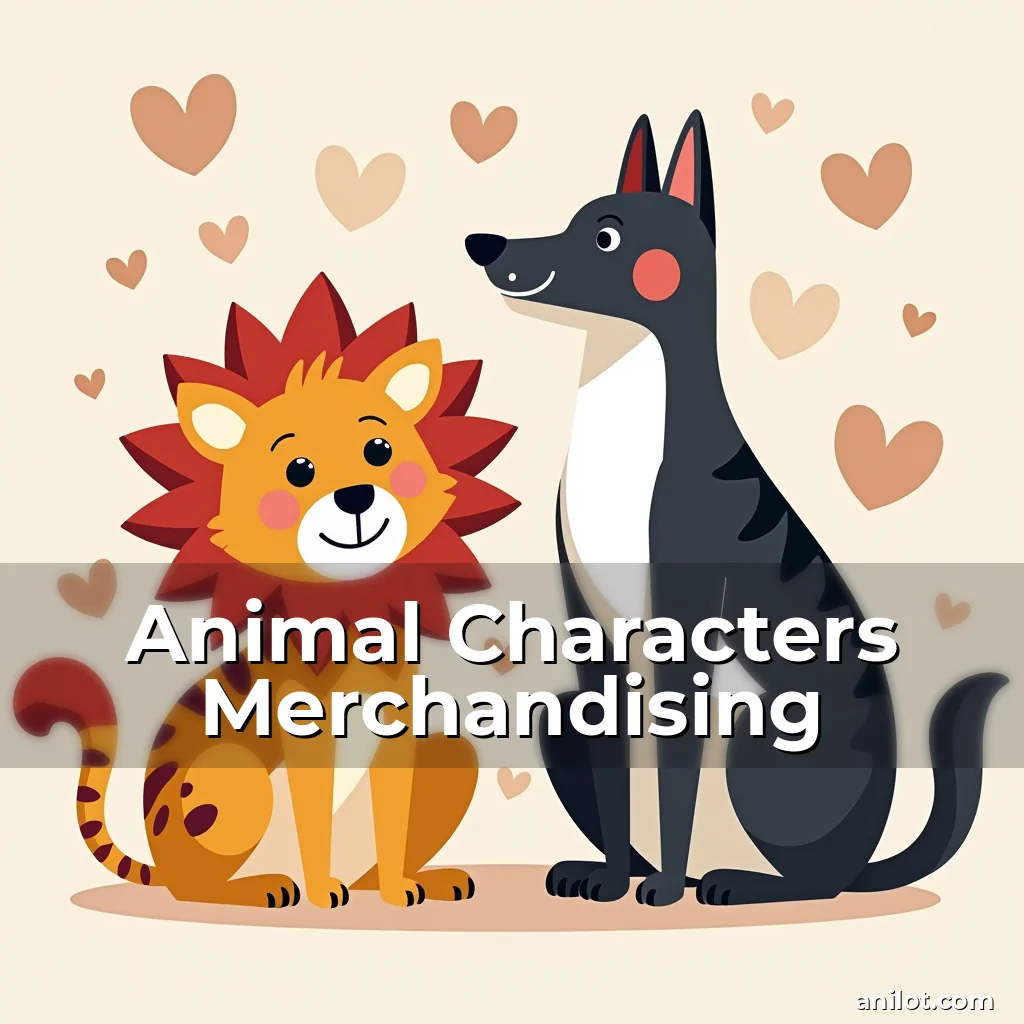
The Enchanting World of Animal Character Merchandise: A Collector’s Journey Through History and Culture
In today’s vibrant marketplace, animal character merchandise holds a special place that transcends mere decoration or fashion—it embodies stories, traditions, and cultural identities from around the globe. From the whimsical plush toys found at any child’s birthday party to intricate sculptures displayed proudly by collectors, these items carry with them the essence of their respective animals.
This article delves deep into the fascinating realm of animal character merchandising, exploring its historical roots, contemporary significance, and future potential within communities such as Anilot. Whether you’re a seasoned collector or simply curious about how these creatures have become icons through their representation in various forms, there is something here for everyone.
Historical Significance of Animal Symbols Across Cultures
The use of animal symbols dates back thousands of years across different civilizations. In ancient Egypt, cats were revered as sacred beings associated with goddess Bastet, while in China, dragons symbolized power and good fortune. These representations often reflected societal values and beliefs regarding nature itself.
Ceremonial artifacts featuring animal motifs can be found in archaeological sites worldwide—from Native American totem poles depicting bears and eagles to Norse runestones engraved with serpents representing wisdom and transformation. Such objects served both spiritual and practical purposes in early societies.
- Bastet: The Egyptian cat goddess was believed to protect homes against evil spirits and bring prosperity to families who honored her.
- Dragon Symbolism: Chinese culture views dragons positively; they are seen as benevolent figures capable of controlling water sources essential for agriculture.
Evolution of Animal Characters in Popular Media
As human civilization progressed, so too did the portrayal of animal characters in media. Early cave paintings featured stylized depictions of wildlife, but it wasn’t until the advent of print media during the Renaissance that fictional anthropomorphic animals began appearing regularly in literature and art.
Fables written by authors like Aesop introduced moral lessons using cleverly portrayed animal characters, setting a precedent for storytelling involving non-human protagonists. This tradition continued into modern times with animated films and television shows creating beloved animal heroes and villains alike.
Modern Icons: Disney and Beyond
Disney has played a pivotal role in shaping global perceptions of animal characters since its inception in the mid-20th century. Iconic creations such as Mickey Mouse, Goofy, and Donald Duck transformed simple cartoon designs into universally recognized brand mascots.
However, other entertainment giants also contributed significantly. Warner Bros.’ Looney Tunes franchise introduced Bugs Bunny, Daffy Duck, and Sylvester, whose antics captivated audiences worldwide. Meanwhile, DreamWorks’ Shrek series redefined fairy tales by giving talking animals central roles in narratives typically dominated by humans.
Statistics show that over 80% of children under twelve recognize Disney animal characters instantly upon seeing them, highlighting the lasting impact of these portrayals on younger generations.
The influence extends beyond childhood—many adults maintain strong emotional connections to these characters due to nostalgic memories tied to their upbringing. This enduring appeal ensures continued demand for related merchandise spanning decades.
The Role of Animal Characters in Contemporary Collectibles Market
Todays collectible market thrives on nostalgia and exclusivity when it comes to animal-themed items. Limited edition figurines, vintage trading cards, and rare comic books featuring animal characters fetch high prices among enthusiasts eager to complete sets or acquire unique pieces.
Premium brands capitalize on this trend by releasing exclusive lines annually, sometimes incorporating limited quantities or regional variations designed specifically for certain markets. For instance, Japan’s Takara Tomy releases anime-based animal action figures that quickly sell out upon launch.
Economic Impact and Industry Trends
The economic footprint of animal character merchandising spans billions of dollars globally each year. Major retailers invest heavily in marketing campaigns centered around popular franchises, ensuring consistent visibility across numerous platforms including social media influencers and virtual reality experiences.
Industry reports indicate that between 2019 and 2023, revenue generated from animal-related merchandise increased by approximately thirty percent, driven largely by digital engagement strategies targeting Gen Z demographics who favor interactive online shopping environments.
Sustainability Considerations in Production Processes
With growing awareness surrounding environmental issues, manufacturers face increasing pressure to adopt sustainable practices without compromising product quality or aesthetic appeal. Eco-friendly materials now feature prominently in new collections aimed at environmentally conscious consumers seeking responsible purchasing options.
Companies are experimenting with biodegradable plastics derived from plant starches or recycled fabrics used in costume design elements for themed events and parades celebrating beloved animal characters. These innovations reflect broader industry shifts toward greener production methods.
Community Engagement Through Animal-Themed Activities
Animal character themes provide rich opportunities for community building initiatives ranging from charity fundraisers featuring mascot appearances to educational programs integrating interactive learning tools inspired by favorite animals.
Local libraries often host storytime sessions where librarians dress up as book characters allowing young patrons hands-on interaction with literary favorites. Similarly, zoos partner with schools to develop curriculum-aligned activities focusing on real-world conservation efforts linked closely with fictional counterparts depicted in popular culture.
Cultural Representations and Their Influence on Identity Formation
Certain animal characters serve as powerful cultural touchstones influencing identity formation especially among youth groups identifying strongly with particular subcultures represented through shared interests in specific fandoms.
For example, fans attending conventions frequently wear costumes based on mythical beasts or iconic movie animals expressing solidarity with fellow attendees while participating in cosplay competitions judged primarily on creativity and attention-to-detail in costume construction.
Educational Value Embedded Within Playthings
Toys featuring animal characters offer significant developmental benefits particularly for preschool-aged children learning fundamental cognitive skills through play. Soft plush animals help build empathy towards living creatures whereas puzzle games involving matching animal images enhance pattern recognition abilities crucial later in academic settings.
Educators utilize these resources creatively within classroom environments designing lesson plans around topics such as habitats, food chains, and migration patterns using tangible examples provided by well-designed educational kits containing anatomically accurate models alongside informative guides explaining biological functions relevant to each species illustrated.
Future Prospects and Technological Innovations
Advancements in technology continue reshaping how we interact with animal characters both physically and digitally. Virtual reality headsets allow users immersive experiences simulating encounters with exotic animals inhabiting fictional worlds previously only accessible via screens.
Artificial intelligence applications enable personalized interactions where chatbots mimic behaviors exhibited by famous animal characters responding dynamically according to user input thus creating more engaging conversational interfaces tailored specifically towards fan preferences.
Conclusion
From humble beginnings rooted deeply within ancient cultures to present-day multi-billion-dollar industries encompassing diverse sectors including entertainment, education, and commerce, the journey of animal character merchandise remains ever-evolving yet consistently captivating.
Whether drawn together by shared passions or united through collective appreciation for these symbolic representations, individuals engaged with this niche find themselves partaking in something far greater than just collecting trinkets—they contribute actively toward preserving legacy while embracing innovation simultaneously.


news is a contributor at AniLot.com. We are committed to providing well-researched, accurate, and valuable content to our readers.
You May Also Like

Digital Animal Art Software
The Digital Canvas: Exploring the World of Animal Art in the Virtual Realm In an era where technology continues to...
Animation For Kids Strategies and Implementation
The Magic of Animation: A Gateway to Creativity and Learning for Kids In today’s digital age, animation has become more...
Pet Animation Educational
Pet Animation Educational In recent years, the intersection of technology and creativity has birthed new forms of expression, none more...
Best Animated Movies 2025
The Timeless Magic of Animated Movies: A Journey Through Artistry and Imagination In a world where technology continues to evolve...