


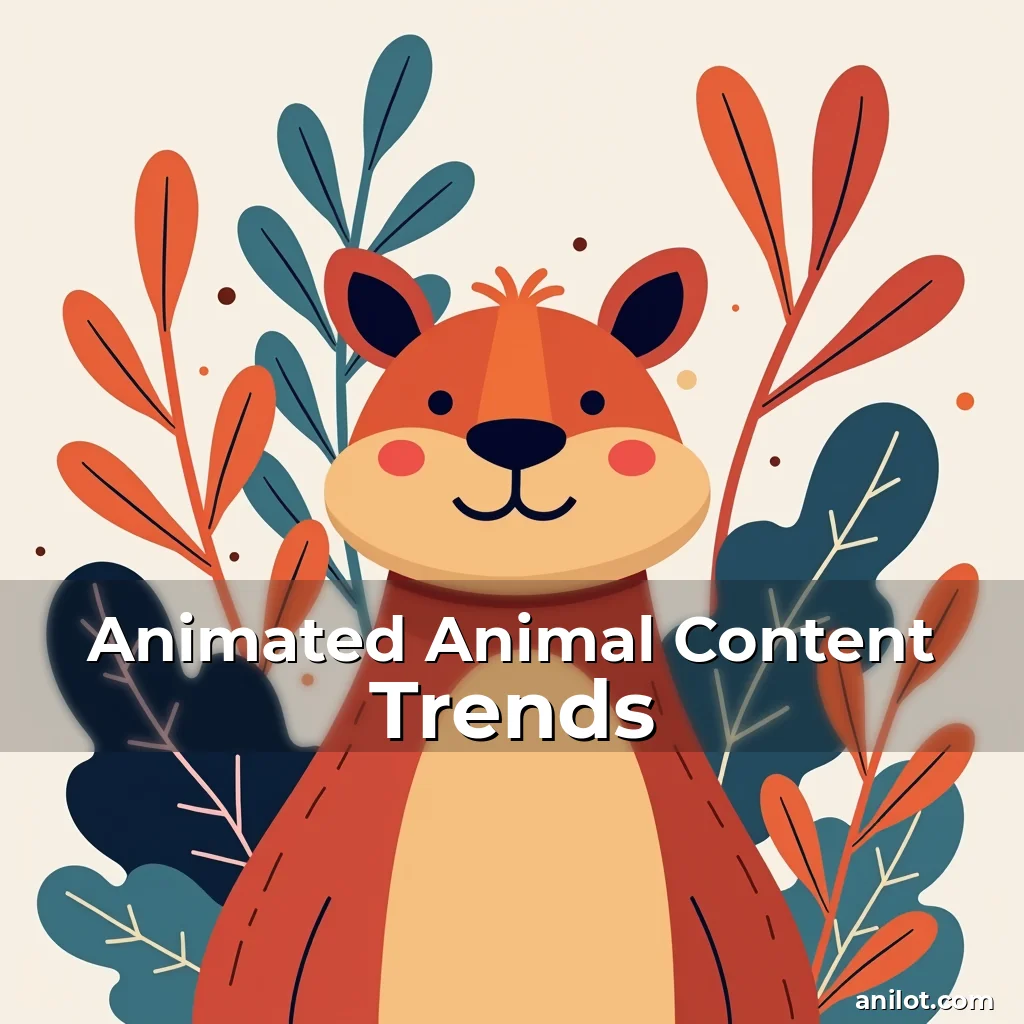
The Endless Appeal of Animated Animal Characters in Modern Media
In today’s digital landscape, animated animal characters have carved out a special place in our hearts and screens alike. From classic cartoon icons to cutting-edge CGI creations, these anthropomorphic creatures continue to captivate audiences across generations.
This phenomenon is not merely a passing trend but a cultural cornerstone that has evolved alongside technological advancements and shifting viewer preferences. The fusion of storytelling traditions with modern animation techniques creates experiences that are both nostalgic and innovative.
A Historical Journey Through Animated Animals
The roots of animated animal content trace back to the early days of film when hand-drawn animations brought simple yet charming creature features to life. These pioneering works laid the foundation for what would become a thriving industry.
Pioneers like Winsor McCay created iconic pieces such as Gertie the Dinosaur, which demonstrated remarkable technical skill and narrative potential. This marked a turning point in how animals could be portrayed in motion pictures.
As technology advanced through decades, so too did the complexity of animated animal productions. Early experiments with stop-motion animation allowed for greater realism while maintaining a distinct artistic style.
The transition from traditional animation to computer-generated imagery (CGI) revolutionized the field entirely. Studios began creating entire worlds populated by talking animals who faced human-like challenges and adventures.
Current Industry Landscape and Market Growth
Today’s market reflects a vibrant ecosystem where animated animal content thrives across various platforms. Streaming services now feature exclusive series centered around lovable animal protagonists.
Trends indicate exponential growth:
- Demand for streaming platform-exclusive content has surged by over 80% since 2019
- Interactive media formats featuring animated animals have seen a 65% increase in user engagement
- Newly developed AI tools enable hyper-realistic rendering at unprecedented speeds
Veteran studios coexist with independent creators producing high-quality content through accessible software solutions. This democratization of production means diverse voices can contribute to the genre.
The rise of virtual reality presents exciting new possibilities for immersive animated animal experiences. Viewers may soon interact with their favorite characters in fully realized digital environments.
Educational Applications of Animated Animals
Beyond entertainment value, animated animals serve crucial roles in education systems worldwide. They help explain complex scientific concepts in digestible ways for young learners.
Children often relate better to stories told through familiar animal figures rather than abstract representations of natural processes. This makes learning more intuitive and enjoyable.
Environmental organizations leverage animated animals to raise awareness about conservation issues. Campaigns featuring endangered species in compelling narratives reach broader audiences effectively.
Virtual classrooms increasingly incorporate interactive animated animal modules to teach subjects ranging from biology to social studies through engaging multimedia resources.
Cultural Significance and Symbolism
Animated animals carry deep symbolic meanings shaped by different cultures’ histories and values. In many societies, specific animals represent virtues or cautionary tales passed down through generations.
Lions frequently symbolize courage and leadership in Western contexts, while foxes might signify cunningness in Asian folklore. These associations influence character development in contemporary productions.
Modern animators consciously draw upon these cultural archetypes to create resonant stories that connect with global audiences. Understanding these nuances enhances creative decision-making during production phases.
The blending of mythological elements with modern storytelling techniques results in rich narratives that respect tradition while embracing innovation in presentation methods.
Psychological Impact on Audiences
Research indicates that viewers form stronger emotional connections with animated animal characters compared to purely human portrayals. This affinity stems from inherent biases toward non-threatening representations.
Studies show increased empathy levels among children exposed to well-developed animated animal protagonists. Such exposure helps develop compassionate attitudes towards real-world wildlife preservation efforts.
The therapeutic benefits of watching calming animated animal content are being recognized in clinical settings. Healthcare professionals utilize these materials for stress reduction therapies.
Viewers also report feeling safer engaging with difficult topics when presented through metaphorical animal allegories instead of direct confrontation with human conflicts.
Future Innovations and Technological Advancements
Rapid developments in artificial intelligence promise transformative changes for animated animal content creation. Machine learning algorithms already assist artists with background generation tasks previously done manually.
Advances in motion capture technology allow for more nuanced performances from live actors portraying animal movements. These recordings then get translated into realistic digital expressions.
Immersive technologies like augmented reality present novel opportunities for interactive storytelling involving animated animals. Users could potentially encounter virtual creatures within their physical surroundings.
Biometric feedback systems integrated with animation software could lead to personalized content that adapts dynamically based on viewer responses and physiological indicators.
Ethical Considerations in Production
While animated animal content offers numerous benefits, producers must navigate ethical dilemmas related to representation accuracy and responsible messaging. Misrepresenting certain species can perpetuate harmful stereotypes.
Animators strive to balance creative freedom with scientific integrity when depicting animal behaviors. Over-the-top anthropomorphization sometimes obscures educational value intended for younger audiences.
Fair labor practices remain essential even within digital animation industries where work conditions might differ significantly from traditional sectors. Ensuring equitable treatment of voice actors deserves continued attention.
Sustainable production methods gain importance as environmental concerns grow globally. Eco-friendly approaches reduce carbon footprints without compromising quality standards achieved through conventional means.
Community Building Around Animated Animal Content
Fandom communities dedicated specifically to animated animal franchises thrive online through shared interests and creative expression. These groups foster meaningful interactions beyond passive consumption patterns.
Conventions celebrating beloved animated animal properties provide spaces for fans to engage directly with creators while showcasing fan-made artwork and cosplay interpretations.
Online forums facilitate discussions about plot theories, character analyses, and behind-the-scenes trivia related to popular animated animal series. These conversations enrich collective understanding of narrative structures employed.
Collaborative projects between fans and professional animators demonstrate mutual appreciation and inspire future creative directions for the medium itself.
Conclusion
The enduring popularity of animated animal content speaks volumes about its ability to entertain, educate, and emotionally resonate with wide-ranging demographics. Its adaptability ensures continued relevance despite changing technological landscapes.
By embracing evolving innovations responsibly while respecting core principles of storytelling excellence, creators can maintain the magic that first captured our imaginations when we watched those initial animated animal shows as children.


news is a contributor at AniLot.com. We are committed to providing well-researched, accurate, and valuable content to our readers.
You May Also Like

Animated Animal Content vs Live Action
The Magic of Animated Animals: Bridging Worlds Through Visual Storytelling In an era where digital creativity knows no bounds, animated...
Funny Animal Videos TikTok
Funny Animal Videos TikTok In today’s fast-paced digital world, funny animal videos have become a global phenomenon, captivating millions of...

Stop-Motion Animated Movies
The Enchanting World of Stop-Motion Animation: A Journey Through Timeless Craftsmanship Step into the whimsical realm where puppets come alive,...
New Animal Animation Films 2025
New Animal Animation Films 2025 The world of animal animation has undergone a dramatic transformation in recent years, blending cutting-edge...