


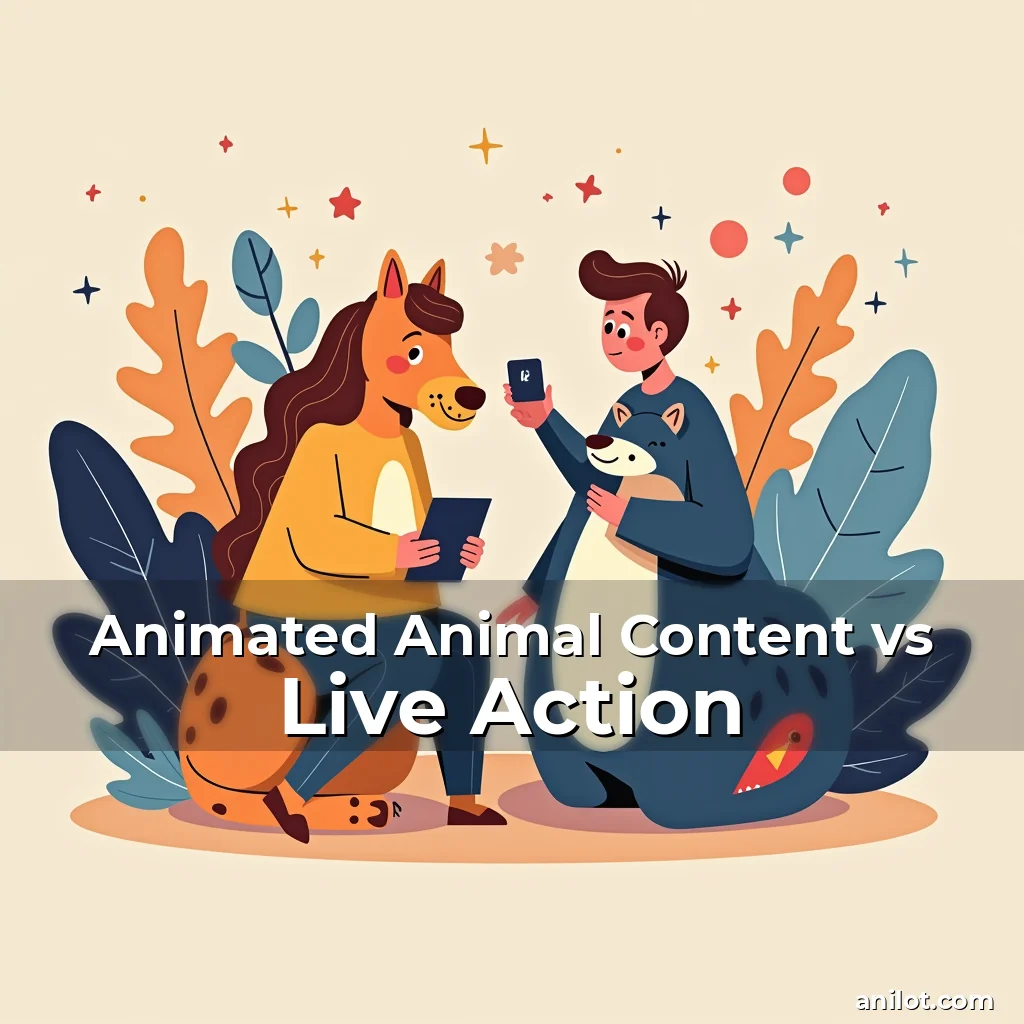
The Magic of Animated Animals: Bridging Worlds Through Visual Storytelling
In an era where digital creativity knows no bounds, animated animals have emerged as powerful storytellers that captivate audiences across generations. From the whimsical antics of talking creatures in children’s shows to the deep emotional narratives found in feature films, these characters serve as bridges between reality and imagination.
This exploration delves into the world of animated animal content, examining its evolution from hand-drawn classics to cutting-edge CGI productions. We’ll uncover how different animation styles influence storytelling techniques and audience engagement.
A Historical Perspective on Animated Animals
The origins of animated animal content trace back to early 20th-century pioneers who experimented with moving images. These groundbreaking artists laid the foundation for what would become a thriving industry that continues to evolve today.
Pioneers like Winsor McCay created some of the first recognizable animated animal sequences in works such as “Gertie the Dinosaur.” This innovation demonstrated the potential of animation to bring non-human characters to life in ways never before possible.
As technology advanced through the decades, so too did the complexity of animated animal portrayals. Early stop-motion animations featured charmingly tactile representations of animals, while later developments introduced fluid motion and expressive character designs.
- Hand-drawn animation: Allowed for greater artistic expression but required significant manual effort
- Stop-motion: Created distinctive textures and physicality in animal movements
- Digital animation: Enabled unprecedented levels of realism and dynamic action sequences
Evolving Animation Techniques in Animal Content
The transition from traditional methods to computer-generated imagery (CGI) revolutionized animated animal production. Modern studios now employ sophisticated software tools capable of simulating realistic fur, muscle movement, and environmental interactions.
Advancements in rendering technologies allow animators to create hyper-realistic animal features. For example, Disney’s “The Lion King” (2019) utilized photorealistic renderings that blurred the line between live-action and animation entirely.
These technological breakthroughs have expanded creative possibilities beyond previous limitations. Animators can now depict complex biological processes, intricate social behaviors, and nuanced emotional expressions in their animal characters.
The Science Behind Realistic Animal Animation
Creating believable animated animals requires collaboration between artists and scientists. Motion capture specialists work closely with zoologists to ensure accurate movement patterns and anatomical correctness.
Studies show that viewers perceive animated animals as more relatable when they exhibit natural behaviors. Research by Stanford University indicates that audiences engage emotionally with characters displaying species-specific actions.
Animators often consult with experts to understand animal physiology. This knowledge helps them replicate things like gait mechanics, tail wagging patterns, and breathing rhythms accurately in their creations.
Cultural Significance of Animated Animal Characters
Animated animals hold special cultural significance across various societies. They appear in myths, folklore, and religious traditions worldwide, serving as symbols of wisdom, danger, or transformation.
Folktales featuring anthropomorphic animals offer moral lessons wrapped in entertaining stories. In many cultures, these tales are passed down through generations as both entertainment and educational tools.
Modern animated series continue this tradition by incorporating similar themes. Shows like “Zootopia” use animal characters to explore real-world issues through allegorical storytelling approaches.
The Role of Animation in Environmental Awareness
Animated animal content has proven effective in raising awareness about conservation efforts. Documentaries and educational programs often use animation to illustrate ecological systems and endangered species in visually compelling ways.
Children’s programming frequently incorporates messages about protecting wildlife habitats. By personifying animals, creators make abstract environmental concepts more tangible and relatable for young audiences.
Series like “Bluey” subtly integrate lessons about nature without being overtly preachy. Their approach demonstrates how education can be seamlessly woven into entertainment formats.
Animated Animals in Children’s Media
Animated animals dominate children’s television due to their inherent appeal and ability to simplify complex ideas. Their exaggerated features and playful personalities help explain abstract concepts in accessible forms.
Kids respond positively to anthropomorphized animals because they represent familiar yet fantastical versions of themselves. This connection makes learning experiences more engaging and memorable.
Parents appreciate the educational value of quality animated content. Many shows combine entertainment with developmental milestones, helping children learn essential skills through fun interactions.
The Business Side of Animated Animal Production
The global market for animated animal content is projected to reach $86 billion by 2025, driven by demand across film, TV, and mobile platforms. Streaming services particularly benefit from this growing interest in family-friendly programming.
Successful franchises generate substantial revenue through merchandise sales, theme park attractions, and interactive media extensions. The enduring popularity of iconic animal characters ensures long-term profitability for producers.
Investors seek opportunities in emerging markets where demand for localized animated content is rising rapidly. These regions present new avenues for creative development and distribution strategies.
Trends Shaping the Future of Animated Animal Content
Virtual reality (VR) and augmented reality (AR) technologies are opening new dimensions for animated animal experiences. Interactive environments allow users to engage with animal characters in immersive settings.
Artificial intelligence is beginning to play a role in animation workflows. AI-assisted tools help streamline tasks like rigging, texturing, and even basic storyboarding functions.
Global collaborations are expanding creative horizons by combining diverse artistic perspectives. Cross-cultural projects introduce fresh interpretations of traditional animal motifs and narrative structures.
Challenges Facing the Industry Today
Despite its growth, the animated animal sector faces challenges related to sustainability and ethical considerations. High energy consumption in rendering processes raises concerns about environmental impact.
There’s also debate over appropriate depictions of certain animal species. Ethicists question whether some portrayals might inadvertently promote harmful stereotypes or misrepresent animal behavior.
Creators must balance commercial interests with responsible representation. Maintaining authenticity while ensuring broad accessibility remains an ongoing challenge for professionals in the field.
Conclusion
The journey of animated animal content reflects humanity’s enduring fascination with the natural world and our desire to connect with other living beings. As we’ve explored, this medium continues to evolve alongside advances in technology and shifting societal values.
Whether through ancient folktales or modern cinematic masterpieces, animated animals will always occupy a special place in human culture. Embracing both tradition and innovation ensures this art form remains relevant and impactful for future generations.


news is a contributor at AniLot.com. We are committed to providing well-researched, accurate, and valuable content to our readers.
You May Also Like

Cartoon Animals vs Realistic
The Artful World of Cartoon Animals: A Journey Through Imagination and Expression In a world where creativity knows no bounds,...
Digital Animal Art Styles
The Endless Canvas: Exploring Digital Animal Art Through Generative AI and Human Creativity In the ever-evolving landscape of digital art,...
Wildlife Animation Series
The Artistry of Wildlife Animation: Bringing Nature's Creatures to Life Through Digital Craftsmanship In an era where digital storytelling has...
Animated Animals 3D vs 2D
Animated Animals 3D vs 2D: A Deep Dive Into Movement and Expression The world of animated animals has evolved dramatically...