


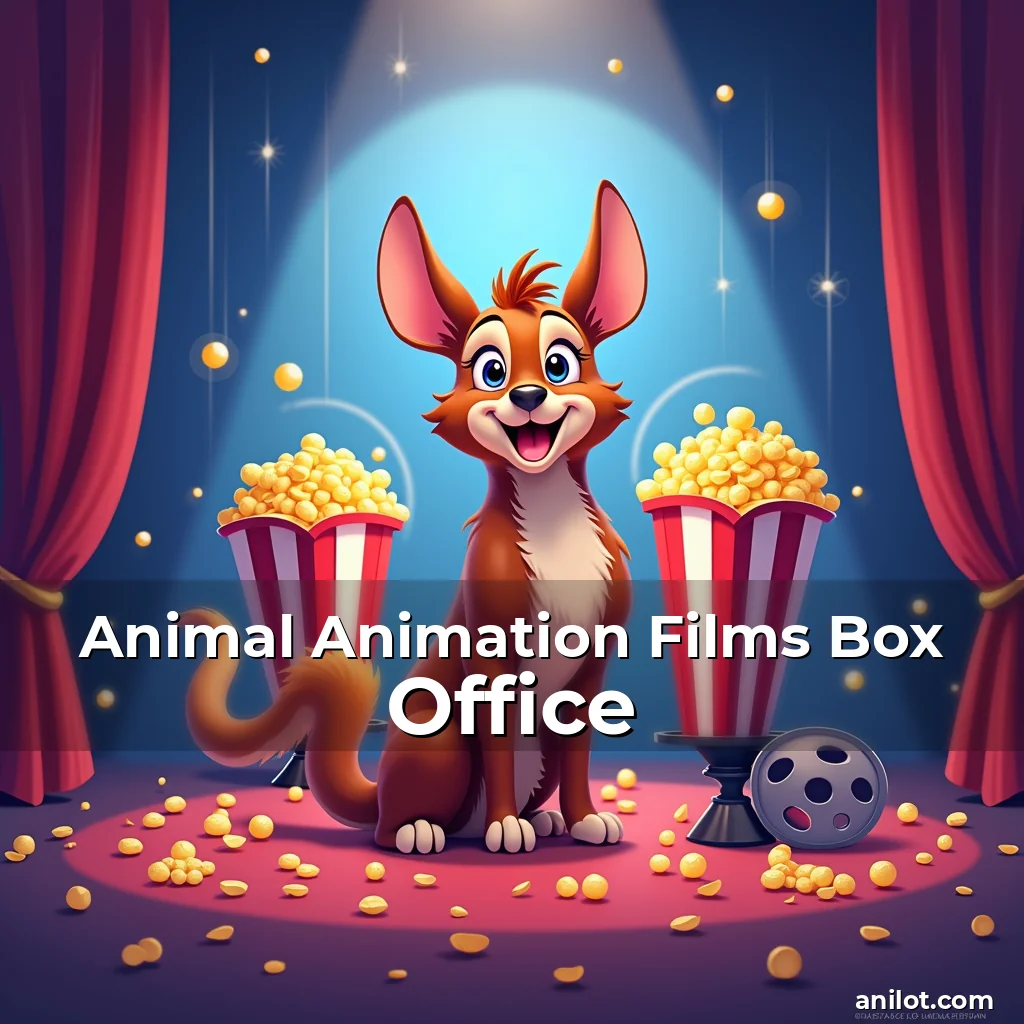
The Animal Animation Film Industry: A Deep Dive Into Its Global Impact and Cultural Significance
The world of animal animation has captivated audiences for decades, blending entertainment with profound storytelling that transcends cultural boundaries. From classic tales of anthropomorphic animals to cutting-edge CGI creations, these films have become a cornerstone of global cinema.
This exploration delves into the history, evolution, and economic impact of animal-themed animated features, revealing how they’ve shaped both box office records and artistic innovation across different eras.
Rise of Anthropomorphism in Early Animated Features
In the early days of animation, filmmakers discovered that giving human traits to animals created compelling narratives while maintaining audience engagement through visual novelty.
Pioneering works like Walt Disney’s Silly Symphonies series from the 1930s featured characters such as Donald Duck and Goofy, who became iconic representations of anthropomorphic humor.
The success of these early experiments established a template that would influence generations of animators seeking creative ways to connect emotionally with viewers through non-human protagonists.
These foundational stories often carried moral lessons wrapped in entertaining plots featuring talking animals navigating human-like challenges.
Critics argue that the use of anthropomorphism allowed creators to explore complex themes without direct political commentary, making the medium particularly effective during times of social change.
- Moral Lessons: Stories frequently included clear-cut good vs evil scenarios where animal characters embodied virtues and vices
- Cultural Reflection: The choice of animal species often mirrored societal archetypes, reinforcing traditional roles within communities
Economic Powerhouse: Animal Animations at the Box Office
Modern animal animation films consistently rank among the highest-grossing movies worldwide, demonstrating their enduring appeal across diverse demographics.
Films like Zootopia and Kung Fu Panda have grossed over $1 billion each, showcasing the genre’s financial viability in today’s market.
The success of these films is driven by strategic marketing campaigns targeting families, combined with sophisticated character development that resonates with broader age groups.
Distribution strategies now incorporate immersive experiences beyond theaters, including theme park attractions and interactive digital platforms.
Data from Box Office Mojo shows that animal animation films maintain consistent year-over-year growth, outperforming many other genres in revenue generation.
Franchises benefit from long-term brand value, allowing studios to develop multi-platform content ecosystems spanning television, merchandise, and video games.
Globally Successful Franchises
The Toy Story franchise alone generated over $1.1 billion globally before its latest installment, proving that animal-centric storytelling can transcend traditional genre boundaries.
International markets contribute significantly to earnings, with China’s growing middle class representing a key demographic for new releases.
Studios increasingly tailor content to regional preferences while maintaining core narrative elements that resonate universally.
This balance between localization and standardization ensures sustained commercial success across geographically dispersed audiences.
Tech Innovations Shaping Modern Animal Animation
Advancements in computer-generated imagery (CGI) have revolutionized the way animal characters are portrayed on screen, creating unprecedented levels of realism and expressiveness.
Software developments enable animators to simulate realistic fur textures, muscle movements, and natural behaviors previously impossible to achieve through hand-drawn techniques.
Recent projects like The Lion King (2019) demonstrate how photorealistic rendering can transform classic stories for contemporary audiences.
Voice actors work alongside motion capture specialists to ensure emotional authenticity in performances involving non-human characters.
Artificial intelligence tools now assist in generating background environments and crowd scenes featuring numerous animal characters simultaneously.
These technological strides allow storytellers greater creative freedom while meeting rising audience expectations for visual fidelity.
Environmental Themes in Contemporary Animal Animation
Many modern animal films address pressing ecological concerns through allegorical storytelling that reaches wide audiences effectively.
Animated features increasingly feature endangered species and environmental degradation as central plot points, raising awareness about conservation issues.
Films like Barnyard and Paw Patrol: The Mighty Movie integrate educational messages about nature preservation within family-friendly narratives.
Documentary-style animations have emerged as powerful tools for environmental advocacy, combining factual information with cinematic presentation.
Industry leaders recognize the potential of this medium to inspire real-world action regarding climate change and biodiversity loss.
Collaborations between animation studios and scientific institutions help ensure accurate representation of wildlife behavior and habitats.
Cultural Influence Beyond Entertainment
Animal animation has left an indelible mark on popular culture, influencing fashion trends, language, and even corporate branding strategies.
Iconic characters from animated films frequently appear in advertising campaigns, leveraging their widespread recognition for brand promotion.
Merchandising opportunities extend far beyond toys, encompassing clothing lines, food products, and home decor items featuring beloved animal characters.
Theme parks capitalize on this phenomenon by creating immersive environments based on popular animated worlds.
Even academic studies examine the psychological effects of animal characters on young children’s cognitive development.
Research indicates that exposure to well-developed animal characters can enhance empathy and social skills in developing minds.
Evolution of Character Design Through History
Character design in animal animation has evolved dramatically since the earliest days of the medium, reflecting changing artistic sensibilities and technological capabilities.
In the 1920s, limited color palettes and simple line art characterized early designs, focusing on exaggerated expressions rather than anatomical accuracy.
The introduction of Technicolor in the 1930s allowed for richer visuals but maintained stylized interpretations of animal forms.
Disney’s approach to designing animal characters emphasized expressive eyes and simplified body structures to maximize emotional impact.
Modern CGI enables hyper-realistic portrayals while still retaining stylized elements that distinguish them from live-action counterparts.
Designers must strike a delicate balance between biological plausibility and cartoonish exaggeration to create relatable yet visually appealing characters.
The Role of Voice Acting in Animal Animation Success
Voice acting plays a crucial role in bringing animal characters to life, requiring performers to convey emotion through vocal inflection and timing.
Experienced voice actors bring depth to their roles by studying animal sounds and adapting their voices accordingly.
Some actors specialize in particular types of characters, developing distinctive styles that become instantly recognizable.
Recording sessions often involve extensive collaboration between directors, writers, and voice talent to ensure consistency in character portrayal.
Technological advancements now allow for more nuanced performances using advanced audio processing equipment.
Successful voice casting can elevate an entire film, turning memorable performances into defining characteristics of the franchise.
Global Perspectives on Animal Animation
While Western studios dominate the mainstream industry, international productions offer fresh perspectives and innovative approaches to animal storytelling.
Japanese anime frequently explores deeper philosophical questions through animal characters, often portraying them with complex motivations and relationships.
European animation houses experiment with avant-garde techniques, pushing the boundaries of what animal characters can represent narratively.
African and South American filmmakers draw inspiration from indigenous folklore, creating unique narratives rooted in local traditions.
This diversity enriches the global landscape of animal animation, offering audiences varied viewpoints and stylistic choices.
Cross-cultural collaborations increasingly blend Eastern and Western storytelling traditions to create hybrid formats that appeal to wider audiences.
Future Trends in Animal Animation
As technology continues to advance, future animal animation films will likely push the envelope further in terms of visual realism and interactive possibilities.
Virtual reality experiences may soon allow audiences to immerse themselves in animated animal worlds from first-person perspectives.
Augmented reality applications could bring animated creatures into everyday environments, blurring the lines between fiction and reality.
Interactive storytelling models might let viewers make decisions that affect character outcomes and story progression.
Emerging AI technologies promise to streamline production processes while enabling more personalized viewing experiences.
Despite these innovations, fundamental aspects of great storytelling – character development, conflict resolution, and thematic resonance – will remain essential to successful animal animation.
Conclusion
The journey of animal animation has been remarkable, evolving from simple caricatures to richly developed characters that engage viewers on multiple levels.
Its ability to combine education with entertainment makes it uniquely positioned to shape perceptions and attitudes towards the natural world.
By embracing technological progress while preserving narrative integrity, the industry continues to expand its creative horizons.
For fans and professionals alike, the future promises exciting possibilities as animal animation remains a vital force in global pop culture.


news is a contributor at AniLot.com. We are committed to providing well-researched, accurate, and valuable content to our readers.
You May Also Like

Animated Animals Characters Iconic
The Enchanting World of Animated Animal Icons: A Journey Through Timeless Characters In the vast universe of animation, few elements...
Pet Animation Stories
The Enchanting World of Pet Animation: Bringing Our Furry Friends to Life In recent years, pet animation has emerged as...
The Artistry Behind 3D Animal Animation: Crafting Living Creatures in Digital Realms
The Artistry Behind 3D Animal Animation: Crafting Living Creatures in Digital Realms In the vibrant world of digital entertainment, 3D...
Realistic Digital Animal Art
The Evolution and Mastery of Realistic Digital Animal Art Digital animal art has emerged as a groundbreaking medium where technology...