


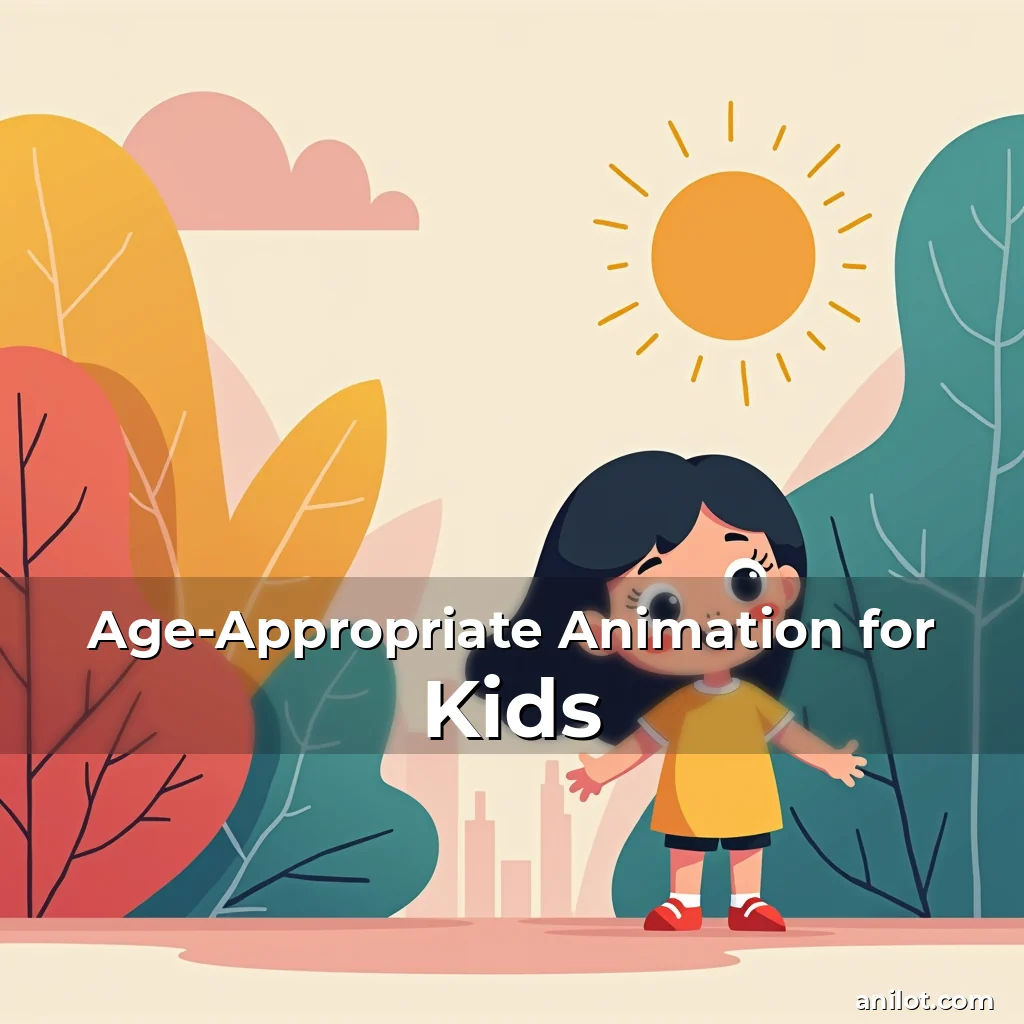
Age-Appropriate Animation for Kids
The world of animation has evolved dramatically over the years, becoming a powerful tool for both entertainment and education for young audiences. When crafted thoughtfully, animation can stimulate imagination, teach essential life lessons, and support early childhood development. Understanding what makes animation effective—and safe—for children at different ages helps parents, teachers, and creators select the right kind of content.
Creative animation isn’t only fun—it plays a vital role in shaping a child’s perception of the world. From colorful characters to dynamic storytelling, well-designed animated shows and games offer opportunities for learning, curiosity, and engagement while respecting the developmental stage of their viewers.
The Science Behind Kid-Friendly Animation
Kid-friendly animation relies heavily on principles of visual design, narrative structure, and auditory elements specifically calibrated to engage younger minds. These factors work together to
Interactive vs. Passive Animation Experiences
A growing trend in modern animation for kids includes interactive formats that encourage active participation rather than passive viewing. Games, apps, and augmented reality experiences allow children to influence plot progression or solve puzzles within animated environments.
This shift reflects an increasing emphasis on experiential learning, where children learn best by doing. Interactive animations promote hand-eye coordination, decision-making skills, and a sense of agency—all crucial components of holistic development.
- Games: Animated puzzle games or matching activities build foundational math and logic skills in playful ways.
- Augmented Reality: AR-enabled animations bring virtual characters into physical spaces, blending digital and tactile learning methods seamlessly.
Diversity & Inclusion in Children’s Animation
Inclusive animation acknowledges the wide range of cultures, identities, and abilities represented among today’s youth. By showcasing diverse characters and settings, animated media promotes acceptance, reduces biases, and fosters global awareness at an early age.
Animated series increasingly feature protagonists from varied backgrounds, languages, and family structures. This representation sends messages about individuality and shared humanity, helping children understand themselves better within broader societal contexts.
Rising Trends in Representation
A recent survey found that nearly 80% of parents value diversity in children’s programming. As demand grows, studios are expanding creative teams to reflect greater cultural inclusivity in scriptwriting, voice casting, and artistic direction.
Included in many current productions are non-binary characters, multilingual dialogue options, and disability-focused story arcs. These efforts aim to normalize difference and celebrate uniqueness across all dimensions of identity.
The Role of Parental Guidance in Animation Consumption
While carefully chosen animated content offers numerous benefits, responsible consumption requires thoughtful oversight by caregivers. Parents play a crucial role in determining which programs align with family values and contribute positively to a child’s overall growth.
Moderating screen time ensures balance between digital engagement and offline interactions. Co-viewing sessions also allow adults to model healthy behaviors, explain difficult concepts, and reinforce positive messaging encountered during viewing.
- Co-viewing: Watching animations alongside children provides natural teaching moments about kindness, respect, and safety precautions mentioned in the show.
- Balanced routines: Structuring daily schedules so that animation remains a supplement—not replacement—for unstructured play, reading, and face-to-face communication.
Crafting Educational Content Through Animation
Animation serves as a versatile medium for delivering academic knowledge in an accessible format. Topics ranging from science experiments to historical events become easier to grasp when presented visually with humor and relatable examples.
Educational animators use techniques like visual metaphors and character personification to simplify complex subjects. A lesson on climate change, for instance, might involve anthropomorphic animals working together to clean up pollution or plant trees.
- Visual metaphors: Translating abstract theories into tangible imagery enhances recall and contextual understanding for young students.
- Story-based learning: Embedding facts naturally within compelling narratives keeps information memorable without overwhelming young minds with rote memorization.
Fostering Creativity Through Animation
Beyond mere observation, animation encourages creative expression by inspiring children to think critically, tell their own stories, and experiment with multimedia tools. Many animation software now features simplified interfaces allowing even very young users to produce original projects.
Creativity flourishes when given space to flourish organically. Providing access to drawing tablets, stop-motion kits, or storyboard templates empowers kids to transform imaginative ideas into visible forms they can share proudly with others.
- Stop-motion projects: Using everyday objects
Community Building Around Shared Animated Interests
Animations often serve as catalysts for forming communities centered around common interests, whether local clubs meeting weekly or international fanbases sharing creations online. These connections foster belongingness and mutual inspiration among peers exploring similar passions.
Many schools host animation festivals where students showcase homemade films, reinforcing classroom learning objectives through practical application. Virtual exhibitions further extend reach globally, connecting aspiring artists regardless of geographic barriers.
- Collaborative workshops: Group projects encourage teamwork, conflict resolution, and collective goal-setting aligned with project timelines.
- Cultural exchange initiatives: Cross-border collaborations expose participants to differing traditions, enriching perspectives through shared creative endeavors.
Conclusion
By embracing thoughtfully constructed animation, we open doors to countless possibilities for learning, connection, and self-expression. Whether used as instructional tools, creative outlets, or bonding agents between generations, animated media continues evolving alongside our youngest audience members.
To harness its full potential, consider curating a mix of traditional, interactive, and inclusive animation styles tailored to your child’s age and preferences. Explore new technologies cautiously yet boldly, always prioritizing safety and meaningful interaction above passive entertainment alone.


news is a contributor at AniLot.com. We are committed to providing well-researched, accurate, and valuable content to our readers.
You May Also Like


International Animal-Themed Shows
The Global Phenomenon of Animal-Themed Entertainment: A Deep Dive into Popular Shows Around the World In recent years, animal-themed television...
Animal Cartoons Saturday Morning
Animal Cartoons Saturday Morning The world of animal cartoons has captivated generations of viewers, blending humor, adventure, and creativity through...
Digital Animal Art Software
The Digital Canvas: Exploring the World of Animal Art in the Virtual Realm In an era where technology continues to...
Expanded Analysis of Netflix Kids Content Performance Report
The Netflix Kids Content Performance Report has been a cornerstone of the streaming giant's efforts to understand its audience's behavior...