


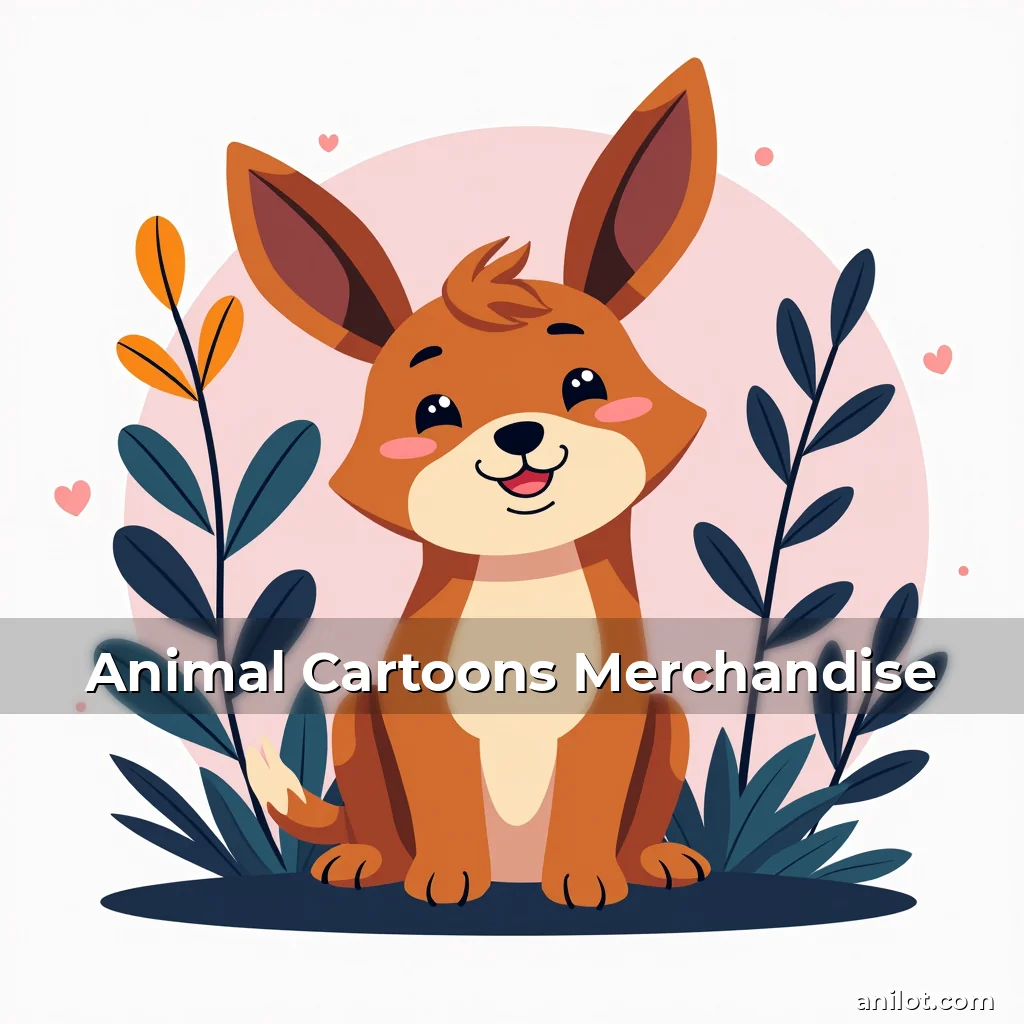
The Endless Whiskers: A Deep Dive into Animal Cartoon Culture
In a world where animated characters have become cultural icons, animal cartoons stand out as uniquely charming creations that blend humor, anthropomorphism, and visual storytelling. From the mischievous antics of SpongeBob SquarePants’ starfish to the wise old owl of Arthur, these characters resonate across generations, creating an enduring legacy within animation history.
This exploration delves into the vibrant universe of animal cartoons, examining their evolution from early television shows to modern streaming platforms while highlighting the dedicated communities that celebrate these beloved characters through merchandise and fan engagement. The following pages will uncover how these animations continue to shape pop culture today.
Origins of Animal Animation
The roots of animal cartooning trace back to the earliest days of animation when filmmakers experimented with bringing animals to life through hand-drawn techniques. Pioneering studios recognized the inherent appeal of anthropomorphic creatures, using them to explore complex themes in simple, accessible ways.
Animal cartoons gained significant traction during the golden age of American television, particularly between the 1950s and 1980s. Shows like The Yogi Bear Show and Rocky & Bullwinkle combined slapstick comedy with clever writing, establishing formulas that would influence countless future productions.
- Variety of Species: Animators embraced diverse animal species, from common household pets to exotic wildlife, each offering unique physical characteristics that enhanced comedic potential.
- Cultural Impact: These cartoons often served as moral compasses for young audiences, subtly teaching lessons about friendship, teamwork, and personal responsibility through whimsical adventures.
Evolution Through Decades
The transition from traditional animation to digital formats has allowed for greater creative freedom in portraying animal characters. Modern animators can create intricate fur textures, lifelike movements, and expressive facial features previously unimaginable with limited technology.
Different eras reflect distinct artistic styles and storytelling approaches. Early 20th-century animations featured exaggerated expressions and simple line drawings, whereas contemporary series employ sophisticated shading techniques and dynamic camera angles to immerse viewers in fantastical worlds.
The Digital Renaissance
Advancements in computer-generated imagery (CGI) revolutionized animal animation starting in the late 1990s. Films like Disney’s Chicken Little demonstrated the possibilities of rendering realistic animal physiology while maintaining the charm of traditional animation aesthetics.
Streaming services have further expanded access to animal-themed content by making classic episodes available alongside original programming. This accessibility allows new generations to discover vintage favorites while enjoying fresh interpretations of familiar animal characters.
Prominent Animal Cartoon Franchises
Certain franchises have achieved legendary status within the realm of animal cartoons, becoming embedded in popular consciousness beyond mere entertainment value. Their widespread recognition is evident in everything from themed restaurants to airport terminals featuring branded memorabilia.
SpongeBob SquarePants remains a global phenomenon over two decades after its debut, captivating both children and adults with its absurd humor and quirky character designs. Its success demonstrates how animal-centric narratives can transcend typical children’s programming boundaries.
Feline Fandoms: Cats in Animation
The cat genre has produced some of the most iconic animated characters ever created. Garfield’s sarcasm-laden lifestyle provides comic relief while exploring themes of food addiction and domestic bliss, resonating with millions worldwide.
Talking Tom and Friends continues to thrive online through social media platforms, showcasing the adaptability of traditional animal cartoon concepts in the digital age. Its web-based format keeps the franchise relevant despite evolving media consumption habits.
Behind-the-Scenes Craftsmanship
Creating compelling animal cartoons requires meticulous attention to detail at every production stage. Artists must study real animal behavior patterns to ensure accurate yet entertaining portrayals that maintain audience engagement without veering too far into realism.
Motion capture technology plays an increasingly vital role in achieving naturalistic movement. By recording live performances and translating them onto digital models, animators create more fluid motion sequences that enhance viewer immersion in the fictional worlds being presented.
The Role of Voice Acting
Skilled voice actors bring personality to each character, differentiating between various animal types and personalities. Expressive vocal delivery helps convey emotions effectively even when lip-syncing limitations exist in certain animation styles.
Some notable voice actors have carved careers around animal roles, developing distinctive vocal registers that define entire franchises. Their contributions are essential to ensuring continuity across multi-season narratives involving recurring characters.
Cultural Influence Beyond Screen Time
Animal cartoons extend their reach well beyond television screens through various forms of consumer products and interactive experiences. Themed amusement park attractions, video games, and collectible toys demonstrate the commercial viability of these beloved characters long after initial broadcast runs conclude.
Merchandising strategies vary depending on target demographics, ranging from soft plush toys designed for younger fans to high-end figurines collecting dust on display shelves occupied by adult collectors seeking rare items.
The Fan Community Landscape
A devoted base of enthusiasts keeps the momentum going for many animal cartoon series, organizing events, creating art, and sharing theories about possible story continuations. Online forums serve as hubs for discussion while also functioning as marketplaces for unofficial merchandise and fan-made content.
Fan conventions provide opportunities for creators and consumers to interact directly, fostering a sense of belonging among participants who share common interests related to specific animal cartoon universes. Panel discussions often delve into behind-the-scenes aspects rarely revealed through standard broadcasting channels.
Preservation Efforts for Classic Series
As newer content continually emerges, there’s growing concern about preserving older animal cartoon programs before they fade into obscurity. Archival initiatives seek to restore deteriorated footage using advanced digital restoration techniques capable of preserving historical artifacts accurately.
DVD releases and streaming platform partnerships help ensure continued availability of classic episodes, allowing current and future generations to appreciate these foundational works that paved the way for modern animation innovations still unfolding today.
The Future of Animal Cartoons
Ongoing technological advancements promise exciting developments in how animal cartoons are conceived, produced, and consumed. Virtual reality environments may soon offer fully immersive experiences where viewers can interact directly with favorite characters in simulated habitats tailored specifically for those relationships.
Artificial intelligence could potentially enable personalized narrative structures where individual choices impact storyline outcomes, transforming passive viewing experiences into active participation modes never before imaginable with conventional linear storytelling approaches.
Conclusion
From humble beginnings as experimental film projects to their current status as globally recognized phenomena, animal cartoons occupy a special place in entertainment history. They’ve consistently proven themselves adaptable across changing technologies and shifting audience preferences throughout successive generations.
Whether through traditional animated series, digital adaptations, or emerging immersive technologies, these animal-centric stories will likely continue inspiring new audiences for years to come. As we look toward the future, we remain grateful for the endless whiskers of creativity that keep this beloved tradition alive and thriving.


news is a contributor at AniLot.com. We are committed to providing well-researched, accurate, and valuable content to our readers.
You May Also Like

Animated Series Streaming Guide
The Enchanting World of Animated Series: A Journey Through Timeless Stories In an era dominated by live-action films and digital...
Memorable Animal Characters Quotes
Memorable Animal Characters Quotes Animal characters have captured human imagination across cultures and centuries, offering both entertainment and insight through...
Pet Animation Instagram
Pet Animation Instagram: Crafting Digital Companions That Capture Hearts In the vibrant world of digital artistry, pet animation has emerged...
Top Animal Animation Films All-Time
The Artistry of Animal Animations: A Journey Through Timeless Motion Pictures In the world of cinema, few genres capture the...