
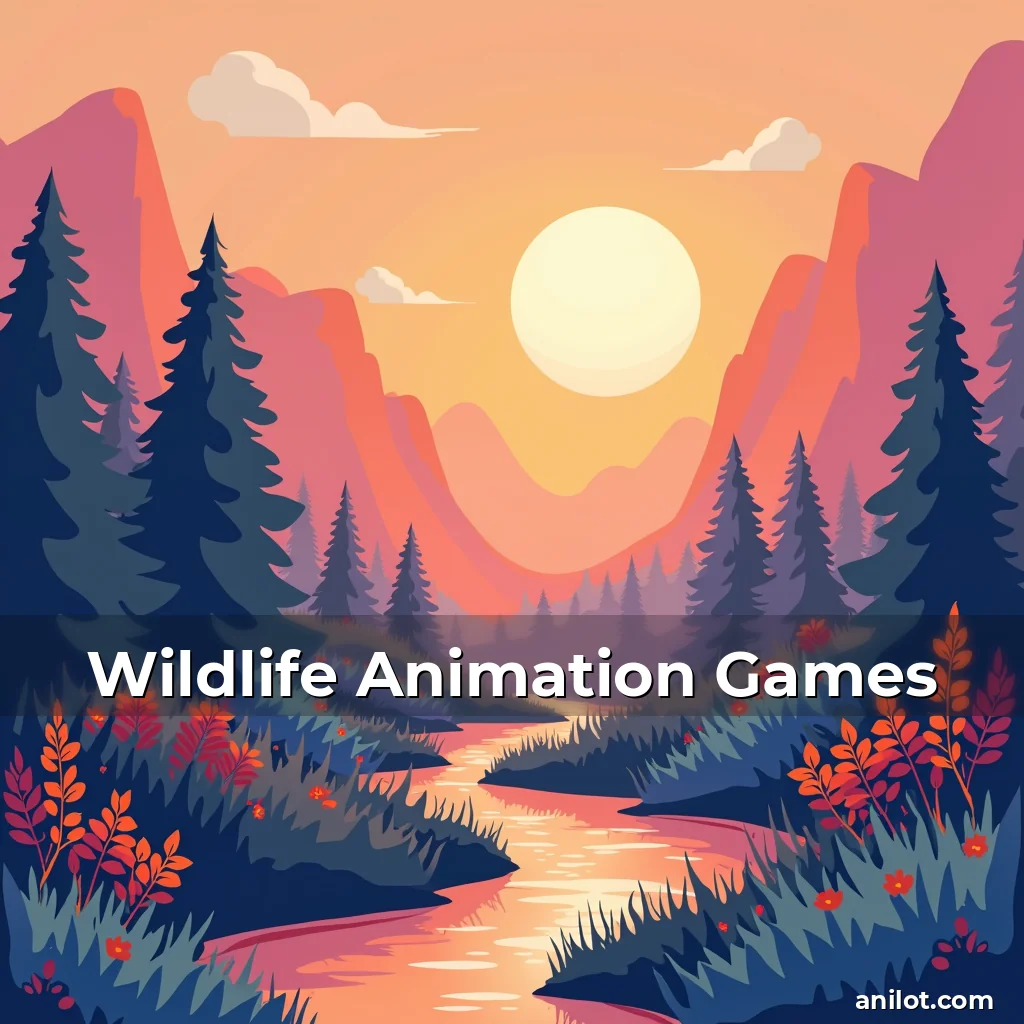
The Enchanting World of Wildlife Animation: Bringing Nature’s Wonders to Life
In today’s digital age, wildlife animation has emerged as a captivating medium that bridges the gap between nature and technology. This art form brings the mesmerizing beauty of animals and their habitats into vibrant motion, allowing audiences to explore ecosystems they might never physically visit.
From documentaries to interactive games, wildlife animations play a crucial role in education, entertainment, and conservation efforts worldwide. These animated depictions not only entertain but also raise awareness about biodiversity and environmental preservation.
The Evolution of Wildlife Animation
Wildlife animation is far from a modern concept; its roots trace back to early hand-drawn illustrations used in educational films during the mid-twentieth century. Those simple sketches laid the foundation for what would become a dynamic and sophisticated field driven by technological innovation.
With advancements in computer graphics and 3D modeling, wildlife animators can now create lifelike representations of animals and environments with incredible accuracy. This evolution allows for immersive experiences that were once unimaginable through traditional methods alone.
The transition from 2D to 3D animation marked a significant milestone. Early wildlife animations relied heavily on stop-motion techniques, which required painstaking frame-by-frame work to simulate movement. Today, software such as Maya and Blender enables artists to render realistic fur textures, fluid movements, and intricate anatomical structures effortlessly.
This shift has revolutionized how we perceive and interact with wildlife. Interactive platforms now allow users to experience virtual safaris without leaving home, promoting both engagement and understanding of natural behaviors and ecological relationships.
As hardware capabilities continue to evolve, so does the potential for creating hyper-realistic simulations. Virtual reality integration further enhances immersion, offering unparalleled opportunities for scientific research, public outreach, and even therapeutic applications within healthcare settings.
Techniques Used in Wildlife Animation
Crafting compelling wildlife animations involves mastering various artistic and technical approaches tailored specifically for capturing animal behavior accurately. One common technique includes studying real-life footage extensively before translating those observations onto screen.
Motion capture technology plays a pivotal role in achieving authenticity when depicting complex actions performed by creatures ranging from agile primates to elusive predators. By recording actual animal movements using high-speed cameras or sensors attached directly onto them, animators obtain precise data essential for recreating believable motions digitally.
Texture mapping ensures that each creature possesses distinctive physical characteristics contributing significantly towards realism. Detailed skin patterns found among reptiles or feather arrangements seen across avian species require meticulous attention during design phases.
Lighting conditions are another critical aspect considered while developing scenes involving nocturnal animals or underwater dwellers where visibility differs drastically compared to daylight environments. Properly simulated lighting effects enhance visual fidelity making interactions appear more naturalistic than ever before.
Environmental storytelling complements character development by setting appropriate contexts wherein these animated beings thrive naturally. Whether portraying dense rainforests teeming with life or vast open plains under starlit skies, background elements contribute immensely toward overall narrative cohesion.
Different Approaches Based On Species Depicted
Animals vary widely regarding complexity level necessitating different strategies depending upon their biological traits. For instance, simulating aquatic organisms demands thorough knowledge concerning hydrodynamics whereas terrestrial mammals involve analyzing muscle physiology affecting locomotion styles uniquely.
Flying birds present additional challenges related primarily with aerodynamics principles governing lift generation alongside energy efficiency considerations influencing flight paths taken by various species during migration seasons annually.
Reptilian scales demand special handling since unlike mammalian hair strands that flow continuously along body contours, scale arrangements possess segmented layers requiring careful layering methodologies ensuring accurate representation without appearing artificial.
Even insects offer distinct difficulties due mainly to their miniature size coupled together with extremely fast movement speeds often exceeding human perception limits hence needing specialized camera equipment capable of capturing ultra-high frame rates necessary for clear visualization later stages processing.
The Role Of Wildlife Animation In Education And Conservation
Education benefits greatly from incorporating wildlife animations into curricula aiming at fostering deeper connections between students and subjects relating closely with biology/ecology studies. Animated visuals provide easier comprehension mechanisms especially beneficial young learners grasping abstract concepts through tangible examples presented visually stimulating manner.
Schools increasingly utilize multimedia resources including videos featuring expert narrations paired alongside vivid depictions showcasing endangered species facing threats posed by climate change deforestation illegal hunting etc., thus igniting interest amongst youth leading potentially future careers dedicated towards preserving our planet’s rich tapestry of living things.
Conservation organizations leverage powerful tools available via animation sector producing impactful campaigns highlighting pressing issues threatening global biodiversity levels currently experiencing unprecedented decline rates globally due largely anthropogenic factors affecting delicate balance maintained over millennia.
Interactive learning modules designed around particular topics enable participants actively engage rather than passively receive information thereby increasing retention rates considerably higher than conventional lecture formats commonly employed traditionally inside academic institutions.
Moreover, augmented reality features embedded within mobile devices facilitate outdoor excursions transforming regular walks into informative journeys revealing hidden aspects usually invisible unless equipped properly trained eyes observing keenly surroundings attentively.
Case Studies: Iconic Examples Of Wildlife Animation Successes
Several landmark productions exemplify successful implementations blending creativity seamlessly with factual accuracy resulting renowned status internationally recognized entities. Amongst most celebrated entries stands “The Lion King,” whose opening sequence delivers breathtaking portrayal savannah landscapes inhabited majestic big cats roaming freely under African sunsets evoking deep emotional responses viewers regardless age backgrounds.
Disney’s “Finding Nemo” represents another triumph demonstrating remarkable achievements made possible combining state-of-the-art CGI technologies alongside profound narratives emphasizing importance maintaining healthy marine ecosystems amidst rising concerns pollution ocean acidification endangering countless aquatic lives daily affected negatively through human activity interference.
PBS’ “Nature” series showcases non-commercial approach prioritizing documentary style presentations focusing exclusively authentic portrayals wild animals existing untouched surroundings devoid embellishments typical fictional stories often saturated exaggerated dramatizations intended purely entertainment purposes.
“Planet Earth II” produced BBC utilizing advanced aerial cinematography techniques captures stunning shots seldom achievable otherwise revealing rarely witnessed spectacles occurring remote locations frequently inaccessible ordinary tourists visiting normally restricted areas solely authorized personnel permitted entry protected zones safeguarded against exploitation potential visitors unintentionally damaging fragile ecologies vulnerable slightest disturbance caused careless intrusions.
Challenges Faced By Wildlife Animators
Create realistic depictions requires overcoming numerous obstacles inherent process demanding extensive expertise diverse skill sets spanning artistic abilities technological proficiency. Primary difficulty centers accurately replicating nuanced expressions exhibited creatures communicating emotionally complex ways beyond mere vocalizations audible humans perceive easily.
Facial micro-expressions crucial deciphering social hierarchies determining dominance subordination dynamics among primate communities prove particularly challenging requiring painstaking attention fine detail minute variations conveying messages intent sender receiving party interprets correctly according context situation encountered simultaneously.
Another hurdle lies faithfully representing physiological processes internal systems functioning bodies external appearances remain constant unchanged despite ongoing metabolic activities happening concurrently beneath seemingly static surfaces observed externally.
Additionally, animators must ensure consistency across multiple projects involving same animal species avoiding discrepancies confusing audience members expecting uniformity expectations set previous encounters similar characters previously viewed elsewhere.
Time constraints impose considerable pressure completing tasks efficiently meeting deadlines imposed studios clients alike demanding timely delivery finalized products ready distribution channels chosen respective platforms targeting desired demographic segments effectively reached appropriately positioned marketplaces competing fiercely attracting consumer attention limited window opportunities afforded promotional campaigns launched newly released titles seeking immediate recognition acclaim.
Ethical Considerations In Wildlife Animation
While creating entertaining content remains primary goal behind any production venture, ethical responsibilities accompany endeavors striving depict nature authentically respecting intrinsic value held every living organism deserving dignity portrayed respectfully irrespective perceived utility providing inspiration awe-inspiring wonder experienced individuals fortunate witness firsthand original habitats undisturbed.
Producers must avoid misleading portrayals distorting realities potentially causing misunderstandings regarding behavioral norms actual animals exhibit regularly versus exaggerated versions shown screens often stylized artistic license enhancing dramatic effect sometimes overshadowing truthful depiction facts preferred objective observers seeking accurate knowledge base informed decisions impacting policies enacted protecting endangered populations threatened extinction looming dangers ahead.
Transparency regarding sources data consulted becomes vital ensuring credibility maintained whenever factual claims asserted throughout narration segments voiceovers subtitles accompanying visual sequences unfolding dramatically across screens illuminating truths concealed mysteries concealed depths explored relentlessly pursuing understanding mysteries surrounding complex networks interdependent relationships sustaining entire biosphere functioning harmoniously coexisting sustainably indefinitely provided continued stewardship exercised responsibly conscious effort exerted maintaining equilibrium achieved naturally over eons.
Furthermore, acknowledging contributions researchers scientists involved supplying crucial insights facilitating creation scientifically sound interpretations honors collaborative spirit underlying progress advancing collective knowledge benefiting humanity collectively.
The Future Of Wildlife Animation
Advancements emerging fields artificial intelligence machine learning promise transformative changes reshaping landscape wildlife animation industry forever altering paradigms established hitherto limiting possibilities constrained traditional approaches predominantly reliant manual labor intensive creative processes involving iterative refinement cycles gradually converging optimal results satisfactory standards prevailing current benchmarks attained through rigorous evaluation procedures implemented systematically ensuring quality assurance upheld consistently throughout project lifecycle management protocols adhered strictly following prescribed guidelines stipulated contractual agreements binding parties engaged collaborative ventures undertaken mutually beneficial partnerships forged strategic alliances cultivating symbiotic relationships propelling mutual growth prosperity shared objectives aligned common goals pursued diligently earnestly.
Emerging technologies including generative adversarial networks could automate tedious tasks such as generating preliminary designs based on user inputs reducing time spent brainstorming initial ideas allowing creators channel energies exploring innovative directions pushing boundaries expanding horizons discovering novel solutions addressing unresolved problems persistently plaguing discipline preventing stagnation hindering evolutionary progression stagnation feared detrimental impacts long-term sustainability viability profession sustained relevance amid rapidly shifting technological landscapes dominated relentless innovation driving continuous transformation reinvention industries adapting evolving demands consumers expectations shaped cultural shifts redefining aesthetics preferences guiding trajectories future developments anticipated upcoming years ahead promising exciting times ahead awaiting exploration discovery revelations forthcoming discoveries yet unrevealed.
Virtual reality will likely see increased adoption enabling fully immersive experiences where users don’t merely watch wildlife but interact with it organically feeling presence entities occupying virtual space responding dynamically changing circumstances created spontaneously reactive systems mimicking natural instincts spontaneous reactions prompting genuine emotional responses elicited realistically heightened sense involvement engagement surpassing passive observation limitations typically associated conventional viewing mediums restricting participation interaction levels confined spectators gazing remotely detached distances unable influence outcomes events transpiring independently unaffected observer presence.
Augmented reality too holds great potential integrating digital overlays physical world enhancing educational toolkits providing layered information contextualizing data augmenting sensory perceptions enriching experiential learning environments personalizing journeys tailoring experiences matching individual interests pursuits aspirations cultivating bespoke pathways unique narratives crafted specifically cater diverse needs preferences myriad people traversing globe everyday lives intertwined intricately fabric existence shared planetary home.
Collaborations between game developers biologists conservationists will foster new genres merging entertainment science activism raising funds support initiatives combating habitat destruction poaching climate change while educating players through gameplay mechanics rewarding eco-friendly choices reinforcing positive behaviors instilling values responsibility encouraging proactive measures contributing positively ecosystem health longevity survival countless species relying interconnected webs life thriving harmoniously amidst ever-changing conditions fluctuating environmental parameters dictated unpredictable forces shaping fate earth’s inhabitants navigating uncertain futures together united purpose preserving legacy cherished generations past present future.
Conclusion
Wildlife animation serves as a bridge connecting human curiosity with the wonders of the natural world, offering both entertainment and enlightenment. Through imaginative storytelling combined with cutting-edge technology, this field continues to grow, providing endless possibilities for exploration and appreciation of our planet’s diverse fauna.
Whether you’re an artist, educator, scientist, or simply someone who loves nature, embracing wildlife animation opens doors to creative expression, educational enrichment, and meaningful conservation efforts. As we look forward to the innovations waiting just around the corner, let us celebrate the magic of bringing wildlife to life through animation—an enduring testament to our fascination with and respect for the natural world.

news is a contributor at AniLot.com. We are committed to providing well-researched, accurate, and valuable content to our readers.
You May Also Like
About the Author
Related Articles

Underrated Animated Movies
Uncovering Hidden Gems: A Journey Through Underrated Animated Movies In a world dominated by blockbuster…
The Enchanting World of Animal Animation Films: A Journey Through Whiskers and Wings
The Enchanting World of Animal Animation Films: A Journey Through Whiskers and Wings In recent…

ApplaToon: A New Chapter in Mumbai’s Storytelling Journey
The city of Mumbai, known for its vibrant cultural heritage, is now embarking on an…