
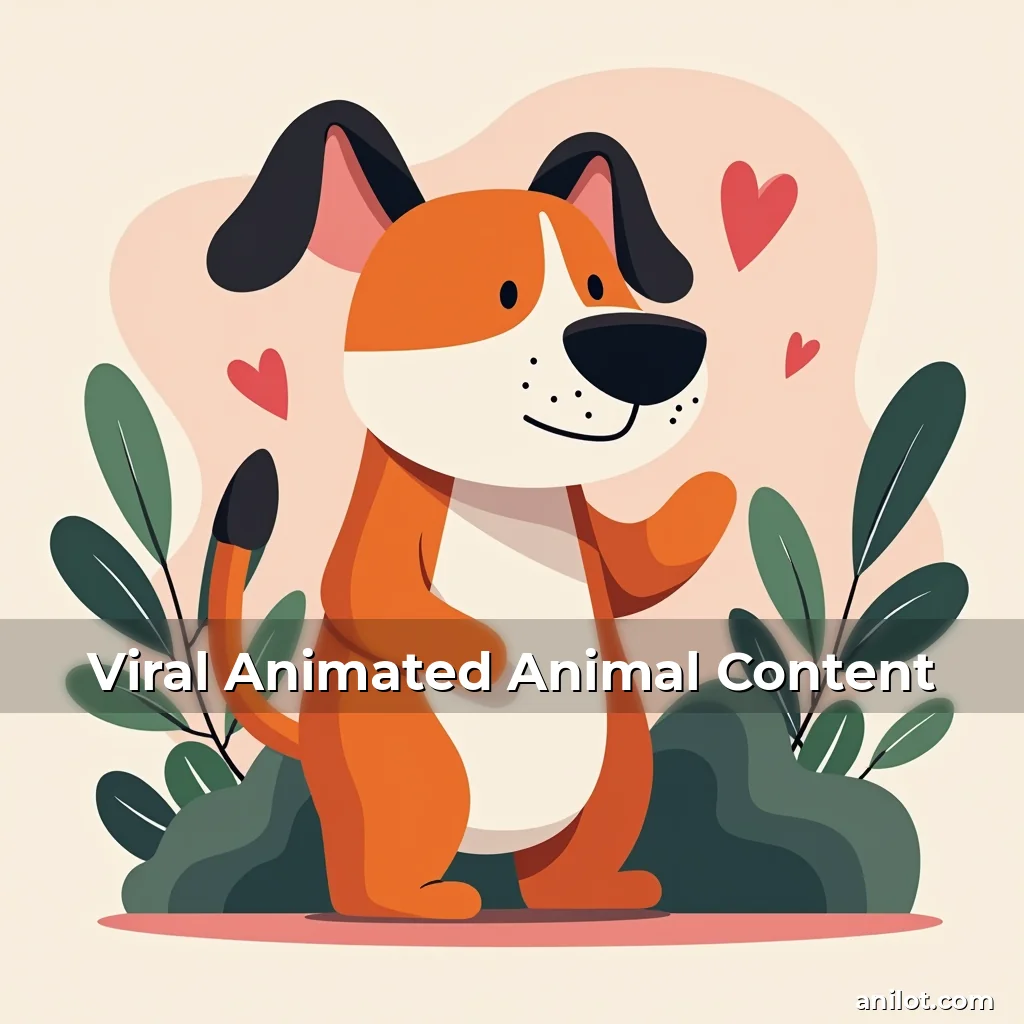
Viral Animated Animal Content
The rise of animated animal videos has transformed how we engage with nature online. From adorable pets to exotic wildlife, these digital creations have become a global phenomenon that bridges entertainment and education.
This surge in popularity is fueled by platforms like TikTok, YouTube, and Instagram, where creators craft compelling narratives around anthropomorphic creatures. The blend of humor, cuteness, and storytelling makes this genre uniquely captivating across age groups.
The Evolution of Animated Animals Online
Animated animal content has evolved dramatically over the past decade. Early iterations were simple sketches shared through forums and blogs, but today’s productions feature high-quality animation techniques comparable to professional studios.
The shift from static images to dynamic animations opened new creative possibilities. Creators now use motion graphics, voiceovers, and interactive elements to make their content more immersive and shareable.
With advancements in software tools like Blender and Adobe Animate, even amateur animators can produce polished work. This democratization of animation technology has led to a diverse range of styles and formats within the niche.
- Software Accessibility: Affordable tools enable quality production without requiring expensive equipment
- Creative Freedom: Artists experiment with various genres from slapstick comedy to dramatic storytelling
The growth of social media algorithms favoring viral potential further accelerates innovation. Animators constantly refine their approaches based on engagement metrics and audience feedback loops.
Why Animated Animals Captivate Audiences
Anthropomorphism plays a crucial role in making animals relatable. By giving them human traits and emotions, viewers form emotional connections that transcend species barriers.
Research shows that cute animal content triggers dopamine release in the brain. This biological response explains why people are drawn to funny cat videos or heartwarming dog stories in animated form.
Animated versions allow for exaggerated expressions and actions beyond what live footage permits. A cartoon fox can wink at the camera or perform impossible feats while maintaining believability.
The versatility of animation enables educational content to be both informative and entertaining. Complex ecological concepts can be simplified through colorful characters and visual metaphors.
Creating Engaging Animated Animal Content
A successful animated series requires careful planning and execution. Concept development involves identifying target audiences and determining the core message or theme.
Storyboarding helps visualize scenes before actual production begins. This process ensures consistency in character design, background settings, and narrative flow.
Choosing appropriate music and sound effects enhances immersion. Background scores should match the tone of each scene, whether it’s lighthearted banter between squirrels or tense moments during survival challenges.
Post-production editing allows for fine-tuning timing, adding special effects, and incorporating text overlays for clarity. These final touches significantly impact viewer retention rates.
Tips for Aspiring Animators
Become familiar with industry-standard software such as Toon Boom Harmony or Maya. Practice basic drawing skills to develop a personal artistic style.
Study existing popular series to understand successful formulas. Analyze pacing, character arcs, and comedic timing used in top-performing content.
Create a portfolio showcasing your best work. Include different project types demonstrating versatility in animation styles and technical abilities.
Engage actively with online communities to receive constructive criticism. Participating in workshops or taking formal courses can accelerate skill development.
Different Formats of Animated Animal Content
The format choices determine how content is consumed and shared across platforms. Short-form clips thrive on TikTok and Instagram Reels due to their fast-paced nature.
Longer episodic series find success on YouTube and streaming services. These formats allow deeper exploration of storylines and character development.
Mixed-media presentations combine traditional hand-drawn animation with stop-motion techniques. This hybrid approach offers unique textures and visual interest.
Interactive web experiences let users influence story outcomes through clickable options. These games often incorporate animal protagonists facing moral dilemmas or puzzles.
Monetizing Your Animated Animal Work
Content creators explore various revenue streams to sustain their projects. Advertising networks provide income through views, clicks, and engagement levels.
Sponsorships offer opportunities to collaborate with brands targeting pet owners or eco-conscious consumers. Product placements must feel natural rather than forced within the storyline.
Licensing original characters for merchandise creates additional income sources. Apparel, toys, and collectibles featuring beloved animated animals generate ongoing royalties.
Paid subscriptions grant access to exclusive content, behind-the-scenes material, or early previews. Memberships also foster direct relationships between artists and fans.
Educational Applications of Animated Animals
Animated animal content serves as powerful teaching tools for children and adults alike. Nature documentaries use stylized animations to explain complex ecosystems.
Science educators employ animated animals to demonstrate evolutionary processes visually. Watching dinosaurs evolve through generations becomes more engaging when presented digitally.
Conservation organizations leverage animated characters to raise awareness about endangered species. Stories highlighting habitat loss resonate strongly when told through animal perspectives.
Language learners benefit from bilingual animated lessons featuring talking animals. These resources help teach vocabulary through context-rich scenarios involving daily interactions.
The Future of Animated Animal Media
Advancements in AI-generated animation promise exciting developments. Machine learning algorithms could assist with repetitive tasks like background rendering or color correction.
Immersive technologies like virtual reality will create new ways to experience animated worlds. Users might interact directly with environments populated by sentient animals.
Global collaborations among animators may lead to cross-cultural projects blending traditions from different regions. Such partnerships enrich storytelling possibilities through diverse perspectives.
Sustainability efforts in animation production aim to reduce environmental impacts. Digital workflows minimize paper waste associated with physical prototypes or location shoots.
Conclusion
The world of animated animal content continues to grow rapidly thanks to technological innovations and changing consumer preferences. Its ability to entertain while educating remains unmatched.
Aspiring creators should embrace emerging trends while staying true to their artistic vision. Experimentation with new formats and distribution channels opens doors to wider audiences and greater impact.

news is a contributor at AniLot.com. We are committed to providing well-researched, accurate, and valuable content to our readers.
You May Also Like
About the Author
Related Articles
Pet Animation Instagram
Pet Animation Instagram: Crafting Digital Companions That Capture Hearts In the vibrant world of digital…
Wildlife Animation vs Photography
The Artistic Evolution and Technical Mastery Behind Wildlife Animation In an era where digital creativity…
Top Animated Series 2025
The Rise of Animated Storytelling: Exploring the Best Animated Series of 2025 In 2025, animated…