
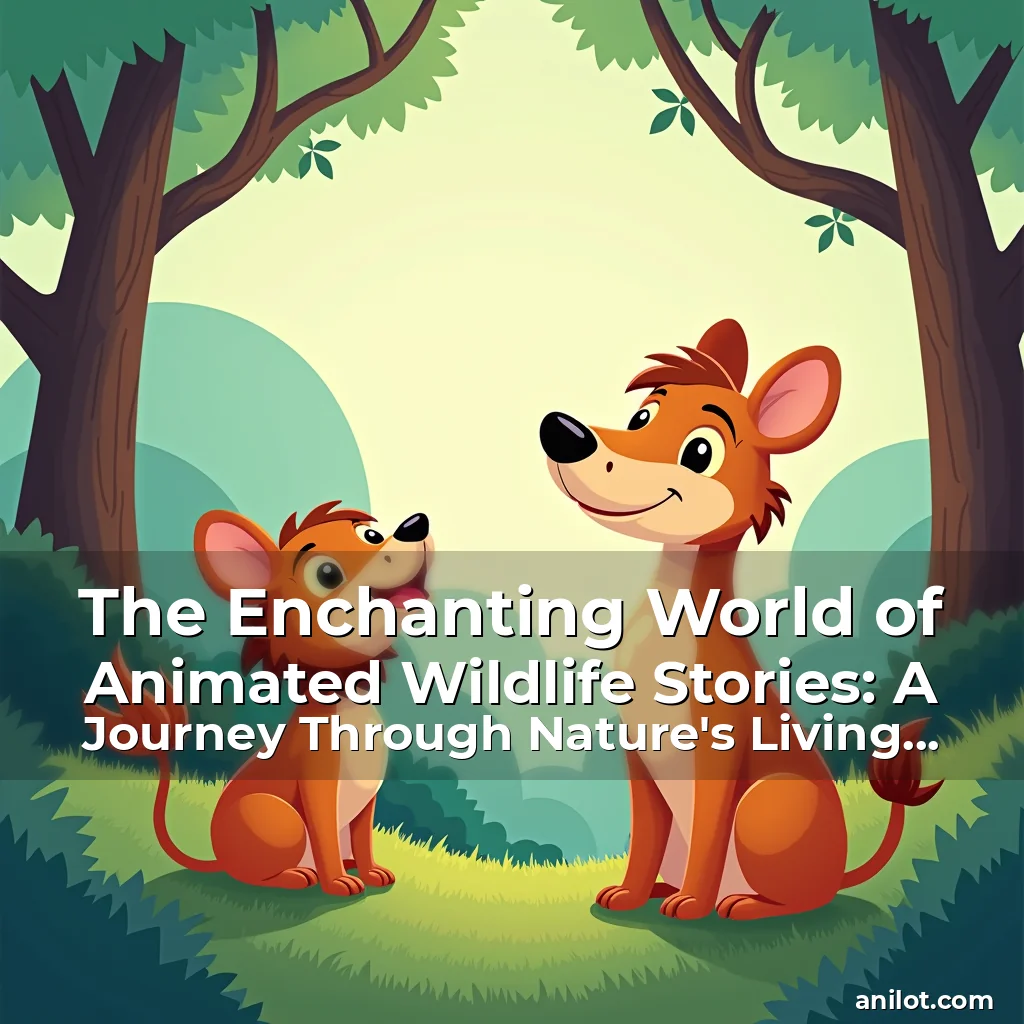
The Enchanting World of Animated Wildlife Stories: A Journey Through Nature’s Living Tales
In an age where digital media dominates our screens, animated wildlife stories have emerged as a captivating fusion of artistry and education, offering audiences a portal into the vibrant lives of animals across the globe. These narratives blend the magic of animation with the raw beauty of nature, creating experiences that resonate deeply with both children and adults alike.
From whimsical adventures of forest creatures to heartwarming tales of survival in harsh environments, these stories provide more than entertainment—they serve as windows into ecosystems we might never witness firsthand. With each frame, they invite us to explore, learn, and connect with the natural world in ways that are both imaginative and profoundly meaningful.
The Artistic Alchemy of Animation Meets Wildlife
Animated wildlife stories thrive at the intersection of artistic creativity and ecological storytelling. By transforming real-world animal behaviors into visual spectacles, animators craft worlds where every creature—from the smallest insect to the grandest predator—comes alive with personality and purpose.
This alchemical process involves meticulous research into animal habitats, movement patterns, and social structures. Animators often collaborate with biologists and environmental scientists to ensure accuracy while infusing their work with emotional depth and narrative flair.
- Biodiversity Representation: These animations celebrate the vast diversity of life by featuring species from different regions, showcasing adaptations that help them survive in varied climates and landscapes.
- Educational Value: Beyond entertainment, they offer rich educational opportunities, teaching viewers about food chains, migration patterns, and conservation challenges through engaging storylines.
By blending scientific facts with creative expression, animated wildlife stories transform complex ecological concepts into digestible and memorable experiences. This dual approach ensures that even young audiences can grasp fundamental principles of biology without feeling overwhelmed by jargon or technicality.
Moreover, the use of color palettes inspired by natural settings enhances immersion, making each scene feel authentic yet stylized. Whether depicting the lush greenery of rainforests or the stark contrasts of Arctic tundras, attention to detail creates visually stunning backdrops that elevate the storytelling experience.
Engaging Audiences Across Generations
Animated wildlife stories possess a universal appeal that transcends cultural boundaries and age groups. Their ability to evoke wonder and curiosity makes them particularly effective tools for fostering intergenerational learning and bonding.
Families gather around screens to watch documentaries filled with charismatic characters like pandas cubbing or eagles soaring, sparking conversations about nature’s mysteries and human responsibilities toward preserving it. Parents find themselves captivated alongside their children, rediscovering childhood fascinations through fresh perspectives.
A Bridge Between Science and Imagination
Studies show that integrating scientific information within narrative frameworks significantly improves knowledge retention among young learners. For instance, children who watched animated features explaining pollination processes demonstrated better understanding compared to those exposed solely to textbook material.
Such findings underscore how effectively storytelling can bridge gaps between academic subjects and practical applications. When presented through relatable protagonists facing realistic challenges, abstract biological concepts become tangible realities that inspire further inquiry beyond screen time.
Cultural Significance and Global Perspectives
Different cultures interpret wildlife differently based on historical context, folklore traditions, and spiritual beliefs reflected in local myths surrounding various animals. Animated films draw upon these diverse viewpoints to create richer, more nuanced portrayals that respect regional differences while promoting global awareness.
In many Asian countries, for example, dragons symbolize wisdom whereas Western interpretations may associate them with chaos; such distinctions influence character design choices made during production phases aimed at resonating culturally relevant messages globally.
Multilingual versions of popular series allow non-native speakers access to global narratives which otherwise would remain inaccessible due to language barriers. Subtitles enable deeper comprehension allowing simultaneous engagement with content regardless of primary spoken tongue.
Through thoughtful inclusion of multicultural elements, producers foster appreciation for worldwide biodiversity without perpetuating stereotypes associated with exoticizing certain species over others.
Technological Innovations Enhancing Storytelling
Rapid advancements in computer graphics technology continually redefine what is possible within animated wildlife genres. From photorealistic renderings capturing minute fur textures to AI-generated motion tracking systems replicating precise animal gaits, modern techniques enhance authenticity levels previously unimaginable.
Virtual reality integration allows immersive exploration inside simulated ecosystems enabling users to walk alongside virtual elephants trumpeting under African sunsets or swim beside coral reef inhabitants experiencing bleaching effects caused by climate change factors.
Augmented reality apps now project interactive 3D models onto real-life surroundings letting children observe lifelike representations of endangered species right before their eyes—offering hands-on learning experiences unattainable through traditional methods alone.
These technological strides don’t merely make animations look better but also expand their potential impact areas including classroom instruction, public exhibitions, therapeutic interventions targeting individuals with disabilities needing alternative sensory inputs etcetera.
Ethical Considerations in Wildlife Animation
While animated wildlife offers numerous benefits, ethical considerations must guide its creation to avoid misrepresentation or exploitation of actual animal behaviors. Responsible creators prioritize factual accuracy ensuring depictions align closely enough with observed phenomena so as not misleading viewers about true capabilities or limitations inherent within each specie.
Sensitivity towards indigenous communities whose ancestral knowledge informs some plot devices necessitates respectful portrayal avoiding appropriation tactics which could disrespect sacred practices tied historically to particular fauna.
Environmental messaging embedded within plots requires careful balance preventing didacticism that risks alienating audiences seeking primarily escapism rather than heavy-handed lessons disguised behind entertaining façades.
Transparency regarding sources used during development stages helps maintain credibility especially when tackling sensitive topics related extinction threats affecting vulnerable populations currently undergoing rapid habitat loss events driven largely by anthropogenic activities.
Promoting Conservation Through Narrative Magic
One of the most powerful aspects of animated wildlife storytelling lies in its capacity to promote environmental stewardship values subtly woven into compelling arcs involving resilient heroes overcoming odds stacked against them daily because of human encroachment issues.
Characters embodying traits valued universally – courage, loyalty, perseverance – become role models encouraging viewers irrespective of age demographic adopt proactive measures contributing positively towards planetary health outcomes achievable collectively through individual efforts aligned strategically.
Interactive platforms developed alongside feature releases encourage participation via gamified quizzes testing recall abilities concerning learned materials thus reinforcing educational objectives initially introduced during cinematic journeys undertaken virtually alongside beloved companions depicted realistically albeit fictionally crafted entities representing living beings found naturally occurring locations worldwide.
Collaborative initiatives linking filmmakers with conservation organizations generate funding streams supporting fieldwork projects dedicated specifically protecting threatened species highlighted prominently throughout franchise continuums maintained consistently over extended periods spanning decades potentially influencing policy changes advocating stricter regulations safeguarding fragile ecosystems identified critically endangered status requiring immediate intervention strategies implemented urgently.
The Future Landscape of Animated Wildlife Narratives
As technology evolves rapidly alongside growing concerns about sustainability imperatives shaping contemporary societal priorities, future trajectories indicate expanding horizons within animated wildlife domain promising innovations likely redefining industry standards established hitherto exclusively dictated by conventional paradigms governing current methodologies utilized predominantly today.
Emerging trends suggest increasing emphasis placed upon cross-disciplinary collaborations incorporating experts from fields ranging neuroscience to artificial intelligence aiming jointly tackle multifaceted problems confronting biosphere integrity jeopardized severely by cumulative impacts arising synergistically from interconnected global crises simultaneously escalating exponentially threatening existence conditions necessary sustaining viable forms life recognizable today.
Immersive technologies expected soon reaching mass adoption thresholds will undoubtedly revolutionize experiential learning possibilities available digitally accessible anywhere anytime convenient empowering remote populations deprived adequate resources facilitating quality education otherwise restricted geographically limited accessibility barriers previously insurmountable obstacles hindering equitable distribution knowledge essential cultivating informed citizenry capable addressing pressing challenges demanding urgent resolutions.
Ultimately, animated wildlife stories stand poised becoming pivotal instruments driving transformative change beneficially impacting environmental consciousness globally through strategic utilization creative mediums successfully communicating vital truths regarding delicate relationships existing constantly evolving dynamic equilibrium sustained mutually dependent components constituting intricate web life supported fundamentally by healthy planet Earth itself.
Conclusion
Animated wildlife stories represent more than mere entertainment; they encapsulate profound connections between humanity and the natural world, inviting us to see ourselves as integral parts of larger ecological tapestries rather than separate observers standing apart dispassionately.
To fully appreciate their significance, immerse yourself in diverse offerings exploring myriad expressions celebrating wild wonders through lenses shaped uniquely according to personal interests guiding you toward discovering new favorite narratives enriching your understanding appreciating ever-expanding realm possibilities awaiting discovery ahead always keeping open mind ready embracing surprises hidden within depths waiting patiently be unveiled gradually as journey unfolds continuously forward.

news is a contributor at AniLot.com. We are committed to providing well-researched, accurate, and valuable content to our readers.
You May Also Like


About the Author
Related Articles
Digital Animal Art Portfolio
The Evolution and Mastery of Digital Animal Artistry In recent years, digital animal art has…
Animated Wildlife Stories for Kids
The Enchanting World of Animated Wildlife Tales: Bridging Nature and Imagination In an age where…
Animated Movies Emotional Scenes
The Timeless Magic of Animated Movies: A Journey Through Imagination and Emotion Animated movies have…