
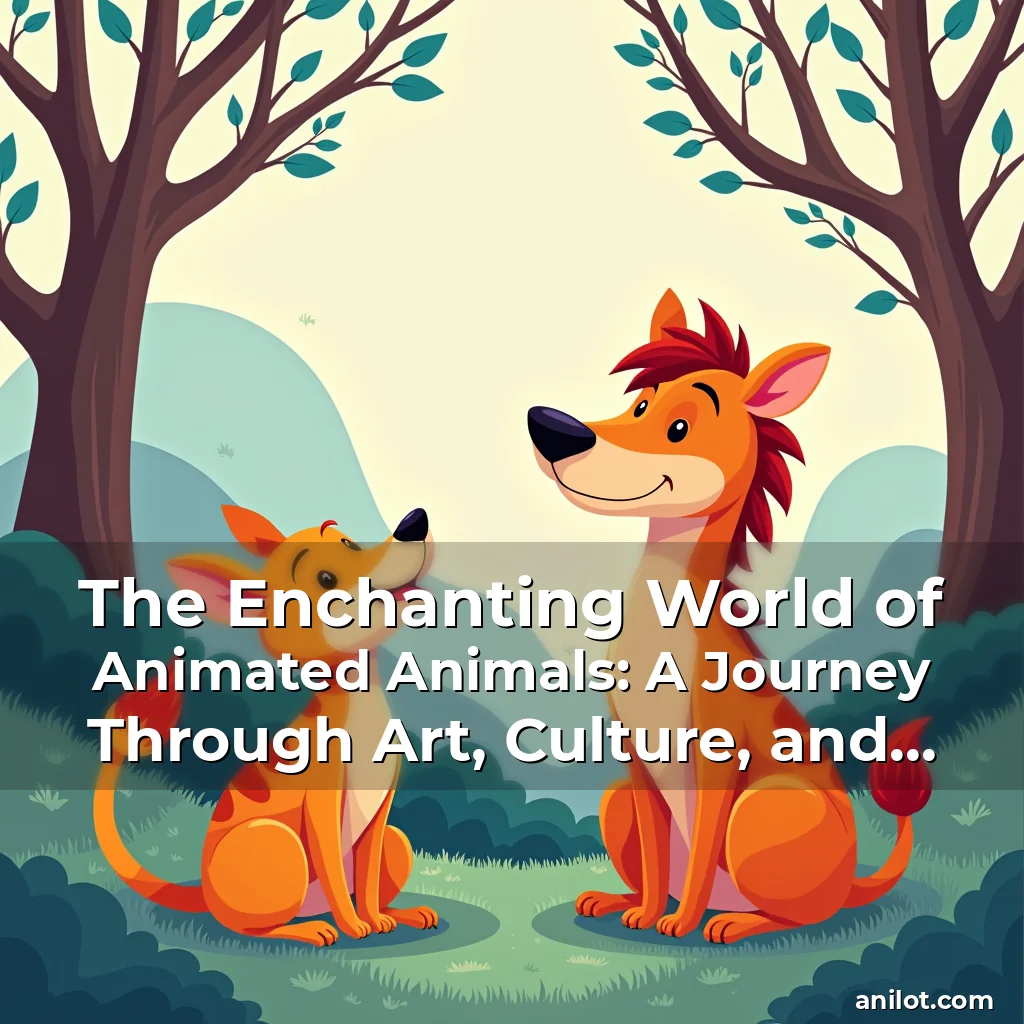
The Enchanting World of Animated Animals: A Journey Through Art, Culture, and Technology
In a world where imagination knows no bounds, animated animals have become a cornerstone of storytelling, artistry, and entertainment across cultures and generations. From ancient cave paintings depicting anthropomorphic beasts to modern digital masterpieces brought to life through cutting-edge animation techniques, these creatures have captivated human hearts for centuries.
This exploration delves deep into the fascinating realm of animated animals, uncovering their historical significance, artistic evolution, technological advancements, cultural impact, educational applications, creative industries’ role, and future possibilities. Whether you’re an artist, educator, technologist, or simply a lover of whimsical tales, there’s something here for everyone.
Historical Roots of Animated Animal Imagery
The fascination with animated animals dates back to prehistoric times when early humans etched depictions of stylized creatures onto cave walls. These primitive forms were not mere representations but symbolic expressions of power, spirituality, and survival instincts that defined human existence during those eras.
Egyptian hieroglyphs from around 3000 BCE showcase some of the earliest known examples of anthropomorphized animals. The ibis, associated with Thoth the god of wisdom, was frequently depicted with human features while retaining its avian characteristics. This blending of animal traits with human elements laid foundational principles for later developments in visual storytelling.
Mesopotamian reliefs dating back to 2500 BCE feature hybrid creatures such as the Lamassu—half-man, half-bird, half-beast—which served both decorative and protective purposes at temple gates. These intricate carvings demonstrated an understanding of form composition that would influence artistic traditions for millennia.
In medieval Europe, illuminated manuscripts contained fantastical beasts like dragons and griffins rendered in elaborate detail. These mythical creatures often carried moral lessons or represented divine forces within religious texts, establishing narrative frameworks that persist today.
- Cave Paintings: Found in Lascaux, France, these Neolithic artworks depict bison and deer using natural pigments mixed with animal fat. Though static, they conveyed movement through strategic placement and shading techniques.
- Hieroglyphic Depictions: Egyptian tomb inscriptions featured cats and falcons portrayed with human-like gestures, suggesting an early recognition of animating non-human subjects through gesture and expression.
These historical precedents demonstrate how humanity has long been drawn to imbuing animals with motion, emotion, and meaning—an impulse that continues to drive contemporary animation practices worldwide.
Evolution of Animation Techniques Across Cultures
As civilizations advanced, so too did their methods of bringing animated animals to life. Traditional hand-drawn animation emerged independently in various parts of the world before converging into what we recognize today as classical animation.
Japan pioneered ukiyo-e woodblock prints featuring dynamic action sequences by the Edo period (1603–1868). Artists like Katsushika Hokusai created fluid movements through sequential images, laying groundwork for later cel animation techniques used globally.
Meanwhile, European cartoonists developed flipbook-style animations in the late 19th century. Émile Cohl’s “Fantasmagorie” (1908), considered one of the first animated films, showcased simple yet expressive line drawings of anthropomorphic figures including animals.
In India, traditional shadow puppetry incorporated moving animal silhouettes long before Western cinema existed. Puppeteers manipulated intricately carved leather pieces under oil lamps to create lifelike motions and dramatic effects.
Modern animation studios now employ digital tools that build upon these diverse heritage traditions. Software platforms allow artists to digitally paint over scanned drawings, apply sophisticated lighting effects, and simulate realistic physics—all rooted in centuries-old artistic principles.
Technological Advancements Shaping Contemporary Animations
Recent decades have witnessed unprecedented innovation in animation technology, transforming how animated animals are conceived, designed, and rendered. Computer-generated imagery (CGI) has revolutionized character creation, enabling precise control over every aspect of an animal’s appearance and behavior.
Software like Maya and Blender provide powerful modeling capabilities allowing animators to sculpt highly detailed fur textures, skin patterns, and muscle structures with remarkable accuracy. These programs use complex algorithms to simulate natural phenomena such as light reflection, water interaction, and atmospheric conditions.
Voice actors play crucial roles in giving personality to animated characters through nuanced performances. Dubbing sessions involve recording lines simultaneously with visual cues, ensuring vocal inflections match facial expressions and body language precisely.
Rigging systems enable animators to manipulate virtual skeletons inside each character model, facilitating smooth transitions between poses without manual redrawing. This skeletal structure approach dramatically reduces production time compared to traditional frame-by-frame drawing methods.
Real-time rendering engines facilitate interactive experiences where users can engage with animated animals dynamically rather than passively watching pre-rendered scenes. Virtual reality environments allow immersive encounters with creatures once confined only to screens.
Artificial intelligence is beginning to influence animation workflows by automating repetitive tasks such as background painting and basic motion tracking. Machine learning models analyze existing footage to predict optimal camera angles and lighting setups based on scene requirements.
Data-driven approaches optimize resource allocation by analyzing viewer engagement metrics. Studios use analytics platforms to determine which types of animated animals generate highest interest among target demographics, informing creative decisions accordingly.
Cultural Impact and Symbolism in Animated Creatures
Animated animals serve as powerful symbols reflecting societal values, beliefs, and anxieties across different cultures. In many indigenous communities, animal spirits represent ancestral connections and guide spiritual journeys through mythological narratives passed down orally.
Folktales from West Africa tell stories of clever trickster animals who outwit larger predators—a theme echoed in modern cartoons featuring mischievous protagonists challenging authority figures. These tales often convey moral lessons about wit, perseverance, and justice.
In East Asian folklore, legendary beasts like the Chinese dragon embody prosperity and imperial power whereas Japanese komainu statues guard shrines against evil spirits. Such symbolism persists even in contemporary media portrayals of these creatures.
Animated adaptations preserve these cultural motifs while making them accessible to global audiences. Studio Ghibli’s films incorporate Japanese mythology respectfully, maintaining authentic visual styles alongside universal themes of friendship and environmental stewardship.
Digital distribution platforms expand access to culturally rich animations previously limited to regional markets. Streaming services curate international content showcasing diverse interpretations of animated animals from around the globe.
Social media fosters cross-cultural exchange by enabling fans to share favorite moments involving iconic animated animals. Hashtag trends often highlight specific species or story arcs resonating with viewers beyond geographical boundaries.
Preservation efforts ensure traditional animation styles remain relevant despite rapid technological changes. Cultural institutions collaborate with animators to document endangered techniques such as paper-cutting and ink wash painting for future generations.
Animated Animals in Education and Environmental Awareness
The pedagogical potential of animated animals extends far beyond entertainment value, serving as effective teaching tools across various disciplines. Educational software employs animated animal characters to explain scientific concepts in engaging ways suitable for children of all ages.
Interactive e-books featuring talking animals help develop literacy skills by encouraging dialogue between students and fictional companions. Reading comprehension improves significantly when learners associate textual information with visual representations.
Biology educators utilize stop-motion animations demonstrating evolutionary processes visually. Students grasp abstract ideas about adaptation and speciation through compelling narratives centered around animated wildlife.
Environmental organizations leverage animated animals to raise awareness about conservation issues affecting real-world species. Short documentary-style videos show habitat destruction impacts on adorable creatures whose fates resonate emotionally with viewers.
Virtual field trips transport classrooms to remote ecosystems via immersive simulations populated by realistically animated fauna. Learners explore rainforests, coral reefs, and tundras safely while gaining firsthand experience observing wildlife behaviors.
Game-based learning platforms integrate animated animals into problem-solving scenarios requiring critical thinking skills. Players assume roles helping injured animals return to health or restore damaged habitats through strategic decision-making challenges.
Augmented reality apps superimpose animated animals onto real environments, creating blended experiences that bridge digital and physical worlds. Children learn about local biodiversity by identifying augmented creatures hiding in urban landscapes.
The Role of Creative Industries in Animated Animal Production
A vibrant ecosystem supports the creation of animated animals through specialized roles spanning concept development to final delivery. Concept artists visualize initial designs while storyboard artists translate scripts into sequence diagrams illustrating key actions.
Character designers focus specifically on defining distinctive appearances distinguishing individual animals within narratives. Their work establishes visual identities essential for audience recognition across episodes or films.
Animators bring sketches to life by sequencing individual frames according to timing charts established earlier in production pipelines. They must maintain consistency in movement style matching directorial visions closely.
VFX supervisors oversee technical aspects ensuring special effects enhance rather than distract from core storytelling objectives. They coordinate teams handling compositing, matte painting, and simulation tasks required for complex scenes.
Sound designers craft auditory environments complementing visual elements effectively. They record natural soundscape recordings and synthesize additional noises enhancing immersion levels experienced by viewers.
Composers compose musical scores tailored to emotional beats identified in scripts. Their contributions shape overall tone influencing how audiences perceive particular animated animal interactions or conflicts.
Producers manage logistical operations balancing creative ambitions with budgetary constraints. They negotiate talent contracts, secure funding sources, and oversee scheduling commitments necessary for timely project completion.
Quality assurance specialists review completed works checking for inconsistencies missed during production phases. Their meticulous evaluations ensure final products meet industry standards prior to public release.
Future Trends and Innovations in Animated Animal Creation
Ongoing research explores new frontiers expanding creative possibilities for animated animal representation. Biomechanics studies inform more accurate locomotion patterns observable in computer-generated creatures replicating biological functions convincingly.
Advances in AI-powered animation promise greater autonomy for digital characters performing self-directed actions without constant animator input. Neural networks could potentially generate entire sequences based on minimal directive inputs.
Immersive technologies evolve rapidly offering novel modes of interacting with animated animals beyond conventional viewing experiences. Haptic feedback devices may soon allow tactile sensations mimicking actual creature interactions through virtual interfaces.
Quantum computing breakthroughs might eventually enable instantaneous rendering of ultra-high-resolution animated sequences eliminating current limitations imposed by processing power restrictions.
Sustainable practices gain prominence within animation industries aiming to reduce carbon footprints associated with energy-intensive render farms. Renewable energy sources power facilities minimizing ecological damage caused by large-scale productions.
Collaborative platforms foster global teamwork among creators regardless of geographic location. Cloud-based editing suites permit simultaneous modifications to shared projects streamlining workflow efficiency considerably.
Educational initiatives promote diversity within the field by providing training opportunities for underrepresented groups seeking careers in animation arts. Mentorship programs connect aspiring professionals with seasoned experts guiding them toward successful careers.
Community involvement strengthens bonds between creators and consumers through participatory design processes where audiences contribute ideas shaping upcoming projects collectively. Crowdsourcing campaigns gather suggestions refining character designs based on fan preferences.
Conclusion
The journey through the world of animated animals reveals a tapestry woven from history, culture, education, technology, and creativity. These animated beings transcend mere entertainment, becoming vessels of knowledge, cultural preservation, and innovative storytelling.
Whether inspiring young minds through educational content or pushing the boundaries of digital artistry, animated animals continue to enrich our lives profoundly. As we look ahead, embracing emerging technologies while honoring tradition ensures this enchanting medium will flourish for generations to come.

news is a contributor at AniLot.com. We are committed to providing well-researched, accurate, and valuable content to our readers.
You May Also Like
About the Author
Related Articles
The Enchanting World of Animal Animation Films: A Journey Through Whiskers and Wings
The Enchanting World of Animal Animation Films: A Journey Through Whiskers and Wings In recent…
New Animal Animation Films 2025
New Animal Animation Films 2025 The world of animal animation has undergone a dramatic transformation…
Animated Wildlife Stories Series
The Enchanting World of Animated Wildlife Stories: A Journey Through Nature’s Adventures In recent years,…