
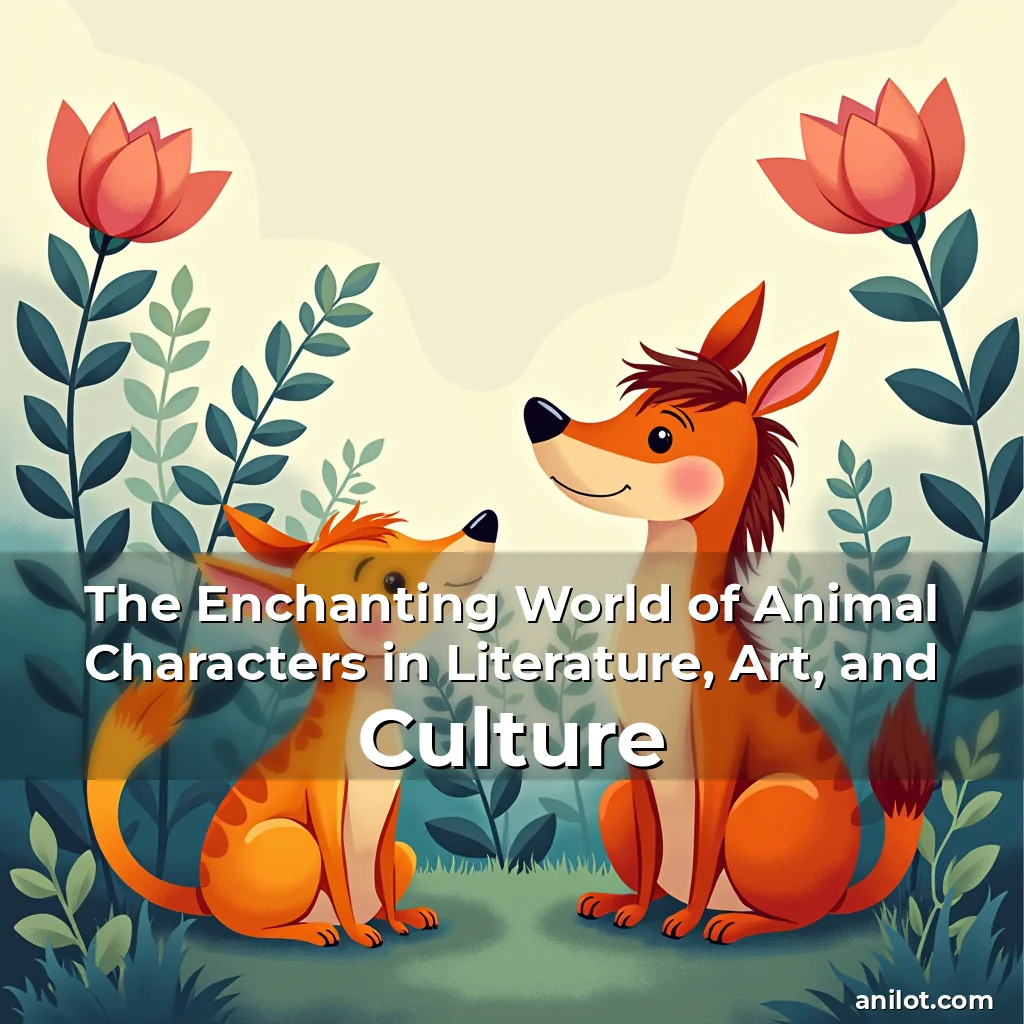
The Enchanting World of Animal Characters in Literature, Art, and Culture
In every corner of human creativity, from ancient cave paintings to modern animated films, animals have played a profound role as symbolic figures, companions, and sources of inspiration. The presence of animal characters transcends mere representation; they embody deeper meanings that reflect our values, fears, and aspirations.
This exploration delves into the multifaceted significance of animal characters across various cultural domains. Whether through fables, mythology, or contemporary media, these creatures continue to captivate audiences worldwide.
The Symbolic Legacy of Animal Characters
Animal characters have long served as powerful symbols within diverse cultures around the globe. From Greek myths featuring centaurs to Native American legends involving trickster spirits such as Coyote, each species carries its own set of connotations and narratives.
Certain animals are consistently associated with particular traits due to their natural behaviors and characteristics. For instance, lions often symbolize courage and leadership because of their regal demeanor and strength in nature.
- Lions: Frequently depicted as rulers or protectors in many traditions, reflecting societal ideals of bravery and authority.
- Rabbits: Associated with fertility and renewal thanks to their rapid reproduction rates and springtime symbolism across numerous civilizations.
Different societies assign varying interpretations based on local beliefs and historical contexts. In some African folklore, hyenas might represent cunningness while in Western tales they could signify chaos or mischief.
Fables: Lessons Wrapped in Animal Tales
The tradition of using animals to convey moral lessons dates back thousands of years. Aesop’s Fables, originating over two millennia ago, remain widely read today precisely because they effectively communicate complex ethical dilemmas through simple yet compelling stories.
These timeless collections feature clever foxes who outwit larger predators or industrious ants working tirelessly during harvest seasons. Such narratives teach virtues like perseverance without needing direct instruction.
A notable example is “The Tortoise and the Hare,” which illustrates how humility combined with steady effort can overcome arrogance despite physical advantages.
Modern adaptations continue this legacy by incorporating similar themes but adapting them for new generations through innovative storytelling techniques.
Mythology and Religion: Divine Beasts Across Cultures
Throughout history, certain mythological beings have merged human features with those of animals to create hybrid entities known as chimeras or theriomorphic deities. These composite forms hold significant spiritual importance in various religious systems.
For instance, Hinduism includes Garuda, a majestic bird-like creature serving both as Vishnu’s mount and symbolizing speed and power. Similarly, Egyptian mythology showcases Anubis whose jackal head represents guidance through death.
Christianity also embraces animal imagery prominently—Saints often depicted alongside specific animals signifying their patronage areas. St. Francis of Assisi famously had close relationships with wildlife illustrating compassion towards all living things.
Such representations highlight how deeply intertwined religion has been with animal symbolism since antiquity.
Contemporary Media: Animals in Popular Entertainment
In recent decades, animation studios have increasingly turned toward anthropomorphic animals as protagonists capable of conveying sophisticated emotions akin to humans. Shows like Paw Patrol introduce young viewers to teamwork concepts via heroic canine units responding swiftly under pressure.
Movies such as Disney’s Zootopia explore social issues including prejudice and stereotyping through character interactions between different species inhabiting a vibrant city setting filled with opportunities.
Voice actors bring depth to these roles ensuring audiences connect emotionally regardless of whether they’re watching cartoons aimed at children or adult-oriented films tackling mature subjects matter-of-factly.
By personifying non-human creatures we gain fresh perspectives allowing us reconsider assumptions about ourselves and others alike.
Artistic Expression Through Animal Imagery
Visual artists frequently draw upon animal motifs when creating works meant to provoke thought or evoke emotion among observers. Picasso once remarked that observing wild beasts helped him understand primitive forms better than any textbook ever could.
From prehistoric cave drawings discovered deep inside French caverns depicting bison charging forward dynamically right before our eyes to contemporary digital illustrations where surreal creatures defy categorization entirely—we see consistent fascination enduring centuries.
Even abstract expressionists incorporate elements inspired by fauna shapes while maintaining pure abstraction thus proving versatility inherent within this theme itself.
Whether realistic depictions aiming solely at accurate portrayal or stylized versions intended purely for aesthetic appeal – animal art remains universally appealing.
Educational Value: Learning Through Animal Character Stories
Children naturally gravitate towards stories containing friendly animal characters which makes educational material far more engaging compared traditional methods lacking relatable figures.
Picture books featuring talking bears teaching counting skills or curious hedgehogs exploring scientific phenomena help instill foundational knowledge organically rather than force feeding facts through rote memorization.
School curricula increasingly integrate multimedia resources utilizing animated sequences showing ecological cycles explained clearly by charismatic woodland inhabitants making complicated topics accessible even to youngest learners.
Interactive games developed specifically targeting literacy development now include scenarios requiring players solve puzzles alongside helpful raccoons reinforcing cognitive abilities playfully instead aggressively.
Psychological Insights: Why We Connect With Animal Characters
Psychologists suggest several reasons why people form strong emotional bonds with fictional animal characters ranging from childhood memories associating pets with security feelings up until adulthood wherein symbolic associations persist influencing personal identity formation processes significantly.
Studies indicate exposure early life experiences involving nurturing relationships with real-life animals correlates positively with empathy levels later exhibited toward other sentient beings suggesting potential therapeutic applications worth investigating further scientifically.
Moreover, research shows individuals tend project parts themselves onto preferred animal personas unconsciously thereby facilitating self-discovery journeys helping clarify inner conflicts more easily than conventional introspection alone achieves reliably.
Thus understanding psychological mechanisms behind attraction towards certain types of animal characters offers insight into broader aspects regarding human behavior patterns globally applicable beyond niche interest groups limited initially perceived scope earlier.
Conservation Awareness: Bridging Fiction And Reality
Many authors intentionally craft tales centered around endangered species hoping inspire environmental consciousness amongst readers especially younger demographics susceptible influence messages embedded narrative structures carefully designed accomplish dual purpose simultaneously entertaining educating audience members alike responsibly.
Animated series often depict lush rainforests teeming with exotic creatures emphasizing fragility ecosystems highlighting threats posed deforestation activities undertaken irresponsibly sometimes portrayed villains undermining conservation efforts explicitly or implicitly depending story direction chosen writer involved creation process.
Nonprofit organizations collaborate closely production teams developing documentaries showcasing true adventures undertaken actual wild animals thereby blending factual information seamlessly woven together captivating entertainment formats suitable wide range age brackets successfully.
This synergy creates opportunity raise awareness crucially necessary current climate crisis facing planet Earth necessitating urgent collective action addressing root causes pollution habitat destruction etc systematically organized approach essential future sustainability guaranteed.
Evolution Of Animal Characters Over Time
Historical analysis reveals fascinating transformations undergone animal characters spanning eras marked technological advances impacting artistic expressions available mediums utilized creators shaping perceptions held general public concerning these iconic figures throughout history.
Early examples found carved stone monuments revealing simplistic portrayals focused primarily anatomical accuracy lacked nuanced personality traits typical seen modern interpretations enriched multidimensional complexities distinguishing individual personalities vividly brought forth through varied means communication available contemporary society.
As printing technology improved enabling mass distribution publications containing illustrated fairy tales featuring beloved animal heroes gradually shifted emphasis toward character development prioritizing emotional resonance over visual fidelity previously considered paramount concern prior innovations facilitated wider accessibility literary works celebrating animal themes extensively.
Today digital platforms allow interactive engagement possibilities expanding ways users relate personally connecting virtually instantaneously unlike previous limitations imposed geographic boundaries restricting access exclusively localized populations confined regional tastes preferences.
Cultural Exchange: How Globalization Impacts Animal Character Perceptions
Globalization fosters cross-cultural exchanges enriching understanding differing perspectives regarding same animal symbols used traditionally distinct communities world over leading greater appreciation diversity coexisting peacefully alongside shared universal truths recognized commonly across continents.
While some icons maintain consistency globally—like eagles representing freedom almost everywhere—they evolve contextually adapted suit local customs norms ensuring relevance specific audiences targeted marketing strategies employed global enterprises distributing content internationally.
Translators work diligently preserving original intent message conveyed through language barriers ensuring nuances intact maintained accurately reflected translated versions produced painstakingly careful attention required succeed mission facilitate seamless communication despite linguistic differences inevitably encountered multicultural environments inherently dynamic constantly changing nature.
Education programs promote intercultural competence encouraging students learn appreciate heritage backgrounds fellow citizens cultivating respect differences fostering inclusive societies embracing pluralism celebrated core value modern democratic nations striving achieve equality justice peace collectively.
Future Trends In Animal Character Representation
Emerging technologies promise revolutionize depiction animal characters opening avenues unprecedented creative possibilities redefining expectations audiences accustomed standard tropes established longstanding traditions guiding popular culture choices predominantly shaped past influences still lingering present day creations.
Virtual reality simulations enable immersive experiences placing participants inside virtual worlds inhabited fantastical creatures interacting directly altering perception relationship between observer observed dramatically shifting paradigm passive consumption active participation integral experience design philosophy driving innovation sector continuously evolving rapidly advancing field.
Augmented reality overlays provide additional layers meaning enhancing realism ordinary objects transforming mundane settings extraordinary realms populated familiar yet transformed versions beloved characters bringing fantasy closer tangible reality bridging gap imaginative constructs practical implementations effortlessly smoothly integrated daily routines unnoticed conveniently.
Artificial intelligence algorithms generate personalized narratives adapting dynamically user input generating tailored stories reflective personal interests preferences creating bespoke experiences unmatched traditional static content fixed predetermined outcomes limiting adaptability responsiveness vital component successful engagement contemporary digitally native consumers expecting fluid flexible interactions meeting demand instantaneous gratification.
Conclusion
The journey through the realm of animal characters unveils a tapestry rich with symbolism, education, and connection across cultures and time periods. Their enduring presence underscores humanity’s innate desire to find meaning through nature’s most intriguing inhabitants.
Engaging with animal characters continues to offer invaluable insights into ourselves, our histories, and the delicate balance we must maintain with the natural world. As we look ahead, let us cherish these remarkable creatures in both fiction and fact.

news is a contributor at AniLot.com. We are committed to providing well-researched, accurate, and valuable content to our readers.
You May Also Like
About the Author
Related Articles
The Endearing World of Cartoon Animals: A Journey Through Whimsy and Imagination
The Endearing World of Cartoon Animals: A Journey Through Whimsy and Imagination In the vibrant…
Creating Cartoon Animals
The Art of Crafting Believable Cartoon Animals In the vibrant world of animation, cartoon animals…
Animal Animation Trends Studios
The Evolution and Future of Animal Character Animation: A Deep Dive into Modern Trends In…