
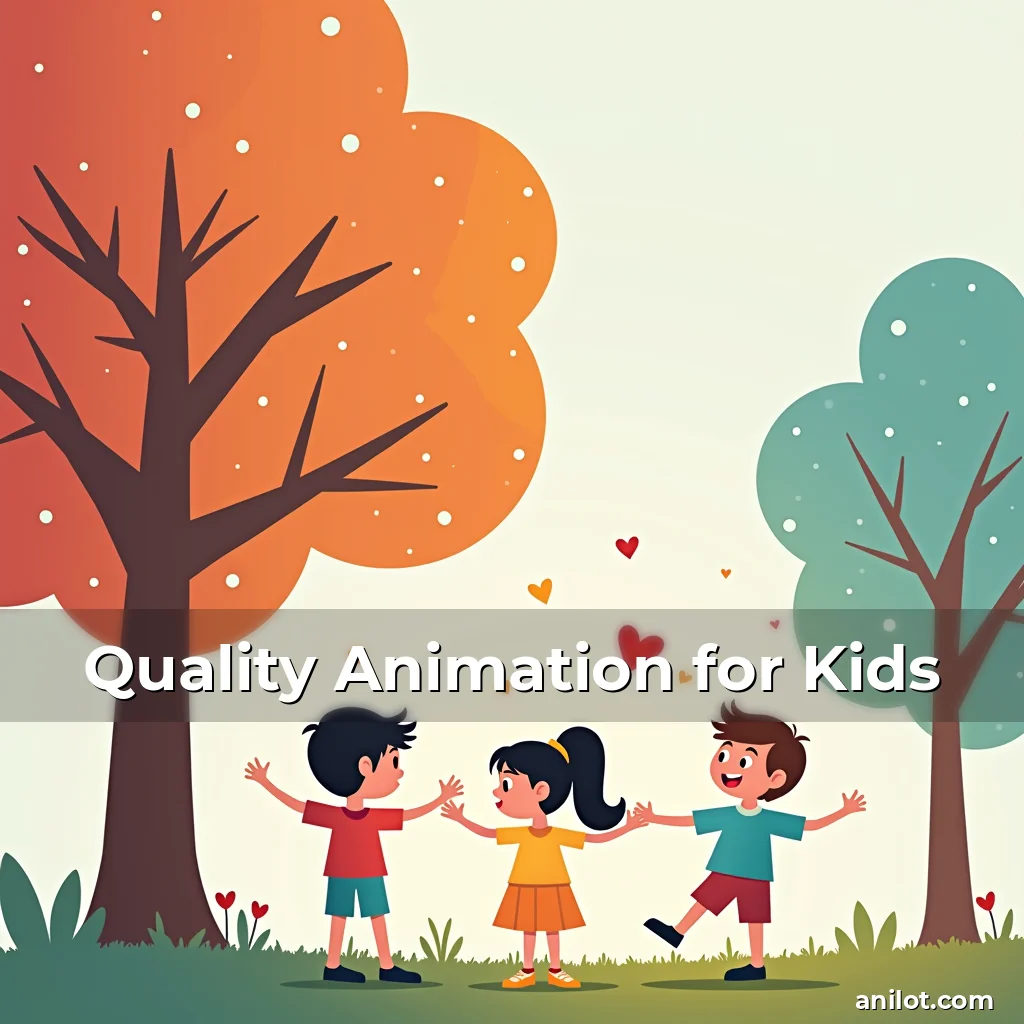
The Magic World of Animation for Children: A Journey Through Creativity and Learning
Animation holds a special place in the hearts of young minds, offering endless opportunities for imagination, learning, and entertainment. From hand-drawn classics to cutting-edge digital experiences, animated media continues to captivate children across cultures and age groups.
This exploration delves into the multifaceted world of kid-friendly animation, examining its history, impact, production techniques, and role in modern childhood development. Whether you’re an educator, parent, or enthusiast, understanding this vibrant field opens doors to richer engagement with children’s creative worlds.
A Historical Perspective: How Animation Became a Global Phenomenon
The origins of animation trace back centuries ago, long before the invention of motion pictures. Ancient cultures used shadow puppetry and sequential art forms to tell stories, creating early versions of moving images.
In the late 19th century, pioneers like Eadweard Muybridge captured motion through photographic sequences, laying groundwork for the first true animated films. These breakthroughs eventually led to iconic works such as Walt Disney’s Snow White and the Seven Dwarfs, widely regarded as the first full-length cel-animated feature film.
The evolution continued rapidly during the mid-20th century with cartoons like Popeye the Sailor and Looney Tunes, which became cultural touchstones for generations. Modern technology has since transformed animation into a dynamic industry blending traditional methods with computer-generated imagery (CGI) and interactive elements.
- Cel Animation: This classic technique involves drawing characters frame-by-frame on transparent sheets placed over painted backgrounds. Though largely replaced by digital tools today, it remains foundational to many animation styles.
- Digital Animation: Advanced software allows artists to
Studies show that well-crafted animated programs can significantly boost language acquisition in young children. For instance, educational platforms like Sesame Street demonstrate how combining music, humor, and visual cues enhances memory retention.
Beyond cognitive benefits, animated series also help children navigate emotions. Characters experiencing challenges provide relatable scenarios that teach coping mechanisms and empathy through shared experiences.
Interactive multimedia projects further amplify learning potential by incorporating puzzles, quizzes, and mini-games that encourage active participation rather than passive consumption of content.
Trends Shaping Today’s Kids’ Animation Landscape
Recent years have seen remarkable innovations reshaping the way children interact with animated content. Augmented reality applications now allow viewers to bring characters into real-world environments, transforming watching experiences into immersive play sessions.
Streaming services continue to revolutionize access patterns, making diverse global animation available at fingertips regardless of location. This democratization fosters cross-cultural appreciation among young audiences worldwide.
Recommended Reading: Animated Animals Disney ClassicsThe Rise of Interactive Storytelling
Educational games infused with animated characters promote literacy and numeracy via gamification principles. Products like LeapFrog Learning Systems demonstrate how interactivity supports structured skill development in child-friendly formats.
Virtual reality (VR) headsets targeted at pre-teens offer new dimensions of experiential learning, immersing users in simulated ecosystems or historical events brought vividly to life through animated visuals.
Fostering Creative Thinking Through Animated Media
Exposure to varied artistic expressions found in different animation styles encourages kids to think creatively about expression and communication. Cartoons featuring stop-motion animation, rotoscoping, or abstract design inspire curiosity about alternative modes of storytelling.
Creative workshops often utilize animation software as teaching aids, helping students grasp fundamental design principles while developing technical proficiency with digital tools. Platforms like Scratch enable even beginners to construct simple animations easily.
Anime-influenced creations introduce Western audiences to Japanese storytelling traditions, broadening perspectives on narrative structures and character archetypes present in globally recognized franchises.
Parent-child collaboration on DIY animation projects nurtures bonding while allowing personalized customization of stories according to individual interests and preferences.
Safety Considerations in Kids’ Animated Programming
Rather than focusing solely on fun factors, selecting appropriate animation content requires mindful evaluation of developmental suitability. Age ratings indicate complexity levels related to themes, language usage, and viewer engagement expectations.
Vigilance regarding advertising inserted within cartoon segments is particularly important for very young viewers who may not distinguish promotional material from regular programming content. Regulatory bodies monitor these practices closely to protect vulnerable demographics.
Mental health implications arise when exposure becomes excessive or unbalanced; monitoring total viewing duration against recommended daily limits ensures healthy habits are maintained alongside recreational activities.
Cultural sensitivity plays another pivotal role—it matters what messages children absorb from representations depicted in fictional worlds, reinforcing positive values whenever possible amidst commercialized content landscapes.
You Might Also Enjoy: Pet Animation for KidsDeveloping Emotional Intelligence Through Cartoon Narratives
Fictional stories populated by colorful characters become fertile ground where complex feelings get explored safely. Observing how protagonists handle conflicts teaches emotional regulation processes indirectly yet meaningfully conveyed.
Lifelong friendships portrayed between recurring characters model relationship maintenance competencies—from sharing toys during gameplay episodes right up through resolving disagreements gracefully later in storyline arcs.
Narrative diversity reflects broader societal norms inclusively, making spaces welcoming for everyone irrespective of background characteristics usually considered ‘different.’ Representation matters profoundly here.
Humor integration balances heavier subjects without being dismissive—an approach that validates difficult emotions while keeping things light-hearted enough to avoid overwhelming small brains processing intense subject matter too soon.
Promoting Physical Activity Alongside Digital Engagement
While animated shows remain popular pastimes, integrating physical movement complements sedentary behaviors commonly associated with prolonged TV watching sessions. Exercise-based cartoons now include segments prompting audience participation through dance routines or yoga poses synchronized digitally.
Outdoor adventure-themed series motivate excursions beyond confines of living rooms by depicting thrilling wilderness explorations that parallel actual geographical locations. Realistic environmental portrayals inspire wonder about nature simultaneously promoting healthy outdoor lifestyles.
Gamified fitness apps leverage familiar animated heroes to coach exercise regimens—turning workouts into adventures complete with story progression rewards systematically linked achievement milestones toward virtual badges collectible online.
Traditional playground equipment redesigned with cartoon-inspired shapes maintains fun appeal while encouraging motor skill development through climbing frames shaped like dragons or swing sets resembling flying machines inspired fantasy universes.
The Future Frontier: Emerging Technologies Revolutionizing Kids’ Animations
Artificial intelligence promises customized viewing experiences tailored precisely to individual learner profiles. Adaptive algorithms track comprehension levels automatically adjusting difficulty settings accordingly during educational content delivery dynamically.
Biometric feedback systems measure physiological responses to gauge emotional investment during dramatic scenes—information utilized subsequently refining future scriptwriting choices emphasizing emotionally resonant moments strategically placed earlier within storylines.
Immersive holographic displays project three-dimensional animated figures into physical spaces creating entirely novel interaction paradigms surpassing limitations inherent in current two-dimensional screens constrained by fixed viewpoints always facing forward away from participants attempting direct manipulation efforts otherwise impossible previously.
Synthetic biology intersects here through bioengineered organisms capable expressing reactive behaviors mirroring digital characters controlled remotely via smartphone interfaces opening possibilities formerly confined purely theoretical discussions about sentient mechanical creatures potentially interacting biologically viable materials cultivated specifically purposeful interactions intended exclusively interpersonal contexts inherently socially conscious endeavors prioritizing ethical frameworks addressing concerns surrounding responsible innovation deployment ensuring beneficial outcomes achieved consistently reliably sustainably without compromising core human values integral foundation any meaningful progress ever pursued historically universally acknowledged.
Conclusion
Understanding the rich tapestry woven together by animation creation processes reveals much about our collective human fascination with bringing imagined realities into existence. From primitive cave paintings through sophisticated computer models representing entire galaxies unfoldings across cosmic timelines spanning billions years condensed minutes watchable sequences demonstrating enduring power stories possess transcending temporal boundaries permanently imprinted consciousness wherever encountered regardless era epoch.
To maximize benefits derived from kid-oriented animation, consider curating selections carefully balancing enjoyment factor educational value while safeguarding holistic wellness considerations always forefront mind decisions shaping young ones formative years most impactful phases lifelong journeys begin.

news is a contributor at AniLot.com. We are committed to providing well-researched, accurate, and valuable content to our readers.
You May Also Like

About the Author
Related Articles
Top Animal Animation Films All-Time
The Artistry of Animal Animations: A Journey Through Timeless Motion Pictures In the world of…
Top Animated Series 2025
The Rise of Animated Storytelling: Exploring the Best Animated Series of 2025 In 2025, animated…
Animation For Kids Strategies and Implementation
The Magic of Animation: A Gateway to Creativity and Learning for Kids In today’s digital…