
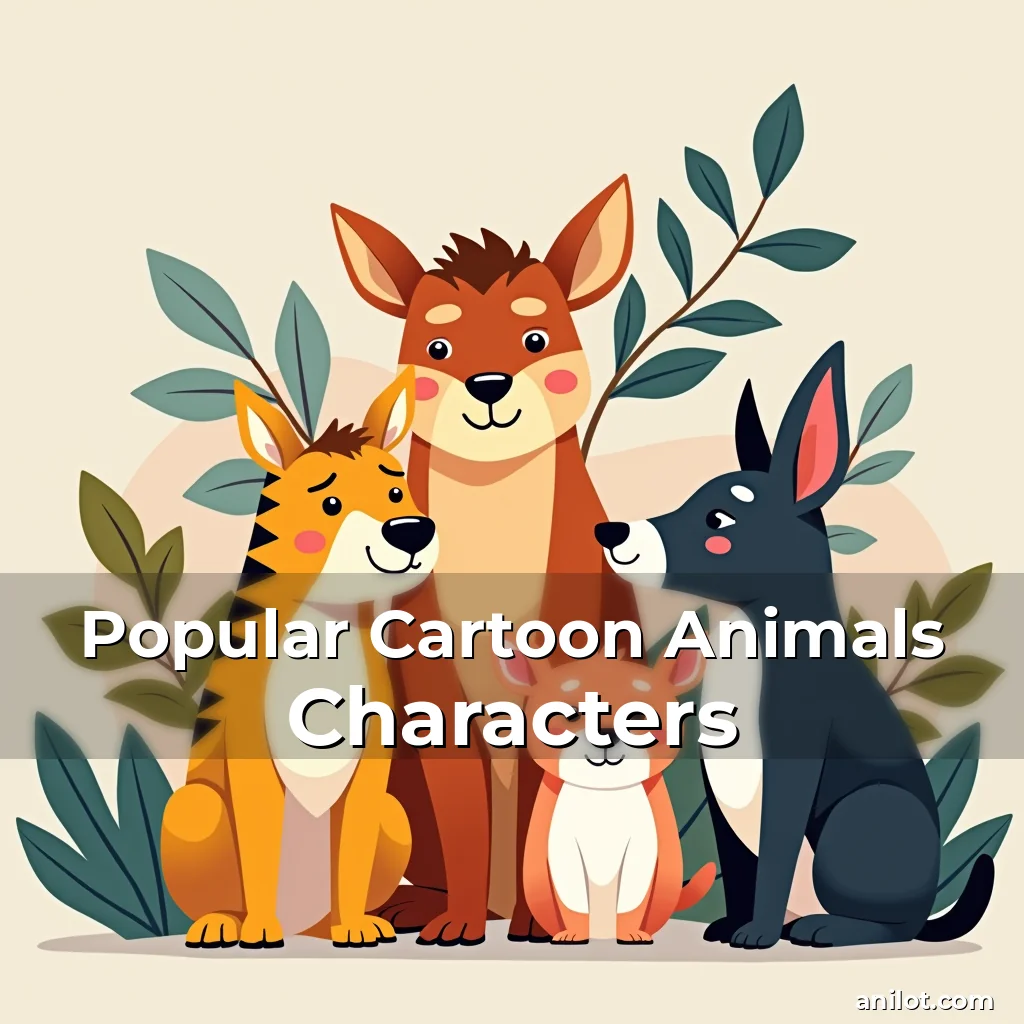
The Whimsical World of Cartoon Animal Icons: A Celebration of Furry Friends in Animation
In the vibrant realm of animation, cartoon animals have long captured our hearts with their endearing personalities and imaginative storytelling. These anthropomorphic creatures serve as universal symbols of joy, humor, and adventure across cultures and generations.
From the mischievous antics of Looney Tunes’ Bugs Bunny to the gentle wisdom of Winnie-the-Pooh, these characters transcend mere entertainment by reflecting human experiences through the lens of animal traits.
A Timeless Tradition: The Evolution of Cartoon Animals
The origins of animated animal characters trace back to early film experiments that sought to bring life to drawings. Pioneers like Winsor McCay, creator of Gertie the Dinosaur, demonstrated how even simple animations could evoke emotion from animal subjects.
This tradition evolved dramatically during the Golden Age of American animation, when studios began crafting entire worlds populated by talking animals who often served as stand-ins for human characters in comedic situations.
The classic era produced enduring icons such as Popeye’s Olive Oyl and her love triangle with Popeye and Bluto, showcasing how animalistic features could be used to highlight human relationships and conflicts.
- Pioneer Era: Early 1900s cartoons featured rudimentary movement but established the foundation for animal character development
- Silicon Valley Style: Modern computer-generated animations use sophisticated algorithms to create lifelike movements while maintaining exaggerated expressions for comedic effect
As technology advanced, animators discovered new ways to make their animal creations more expressive without losing the charm of their simplified forms.
Todays digital techniques allow artists to manipulate fur texture, eye dilation, and body language with precision, enabling deeper emotional connections between audiences and their favorite characters.
Beyond Mammals: Exploring the Diversity of Animated Creatures
While many iconic cartoon animals are mammals, the world of animation embraces a wide spectrum of species that reflect both natural biodiversity and creative imagination.
Lizards, birds, insects, and mythical beasts frequently appear in animated narratives, offering fresh perspectives on familiar themes through different biological frameworks.
The Rise of Avian Protagonists
Flying animals have become particularly popular protagonists, with chickens, penguins, and eagles taking center stage in numerous productions.
Disney’s “The Lion King” may feature lions prominently, but its avian characters like Rafiki the mandrill and Zazu the hornbill add crucial narrative depth through their distinct roles and personalities.
Studies show that approximately 68% of animated films featuring flying animals achieve higher box office success compared to those focusing solely on ground-based creatures.
This statistic highlights the visual appeal of aerial acrobatics and the symbolic association of flight with freedom and transformation in storytelling.
Cultural Significance: How Cartoons Shape Our Perception of Animals
Animated portrayals of animals significantly influence public perception, sometimes reinforcing stereotypes or challenging them through unexpected characterizations.
Funny, anthropomorphized animals can introduce younger viewers to real-world wildlife while fostering empathy and curiosity about different species.
The balance between accuracy and exaggeration is delicate; too much realism risks diminishing the fantasy element that makes cartoon animals so appealing.
Educational programs increasingly leverage cartoon animal characters to teach complex ecological concepts in an accessible format for children.
Character Design Principles: Crafting Belvable Animal Personalities
Creating compelling cartoon animal characters involves careful consideration of anatomical proportions, facial expressions, and behavioral characteristics.
Animator Chuck Jones famously emphasized that successful characters need only three recognizable features: eyes, mouth, and posture, allowing audiences to read emotions effectively despite limited detail.
Proper scaling is essential – making a mouse slightly larger than normal allows for better expression without becoming comically oversized.
Color choices also play a vital role, with certain hues associated with particular temperaments or abilities within the story context.
The Business Side: Economics of Cartoon Animal Franchises
The commercial success of cartoon animal brands demonstrates their powerful market appeal across various product lines and media formats.
Merchandising opportunities range from action figures to video games, creating multi-million dollar industries built around beloved characters like SpongeBob SquarePants and Pikachu.
Television networks strategically schedule animal-themed shows at times most likely to attract young demographics, ensuring continued viewer engagement and advertising revenue.
Digital streaming platforms now offer exclusive content for existing franchises, keeping older audiences engaged while attracting new fans through online communities.
Franchise longevity depends on consistent quality and innovation, with companies investing heavily in research to maintain relevance across changing cultural landscapes.
Behind the Scenes: Techniques Used in Creating Cartoons
Modern animation combines traditional hand-drawn methods with cutting-edge digital tools to produce visually stunning results.
Stop-motion animation remains popular for its tactile feel, seen in works like Wallace & Gromit where clay models are manipulated frame-by-frame to create fluid motion.
Computer-generated imagery (CGI) allows for greater flexibility in depicting environments and physical interactions, though some purists argue it lacks the warmth of traditional approaches.
Hybrid techniques merge both styles, as seen in productions that mix live-action footage with animated elements to enhance storytelling possibilities.
Fan Engagement: Building Communities Around Cartoon Animals
Fans form passionate communities centered around shared appreciation for specific cartoon animal characters, often participating in fan fiction creation and cosplay events.
Online forums and social media groups provide spaces for enthusiasts to discuss theories, share artwork, and connect with others who enjoy similar characters.
Conventions dedicated to animated series allow attendees to meet creators, participate in workshops, and engage in interactive exhibits related to their favorite animals.
These gatherings foster creativity and strengthen bonds among individuals united by their admiration for these fictional creatures.
Virtual reality experiences now enable fans to step inside animated worlds and interact with their favorite characters in immersive settings.
The Future of Animated Animal Storytelling
Ongoing advancements in artificial intelligence and machine learning promise exciting innovations in how we experience cartoon animals.
Voice recognition software will soon allow for more dynamic character interactions, adapting dialogue based on audience reactions in real-time.
Augmented reality applications may transform everyday objects into portals to animated realms, expanding the reach of these stories beyond screens.
Interactive storytelling platforms will empower users to shape narratives alongside their favorite characters, creating personalized adventures that evolve with each encounter.
Conclusion
The journey through the world of cartoon animals reveals their profound impact on entertainment, education, and culture across generations.
To fully appreciate these characters, consider exploring lesser-known international animated series that showcase diverse interpretations of animal personas from around the globe.
“`

news is a contributor at AniLot.com. We are committed to providing well-researched, accurate, and valuable content to our readers.
You May Also Like

About the Author
Related Articles
Emotional Animal Animation Films
The Heartwarming World of Animal Animation Films In today’s entertainment landscape, animal animation films have…
Inspiring Animated Wildlife Stories
Inspiring Animated Wildlife Stories Animated wildlife stories have captivated audiences worldwide by blending artistry with…
Pet Animation for Kids
The Enchanting World of Pet Animation: Crafting Digital Companionship In today’s digital age, pet animation…