


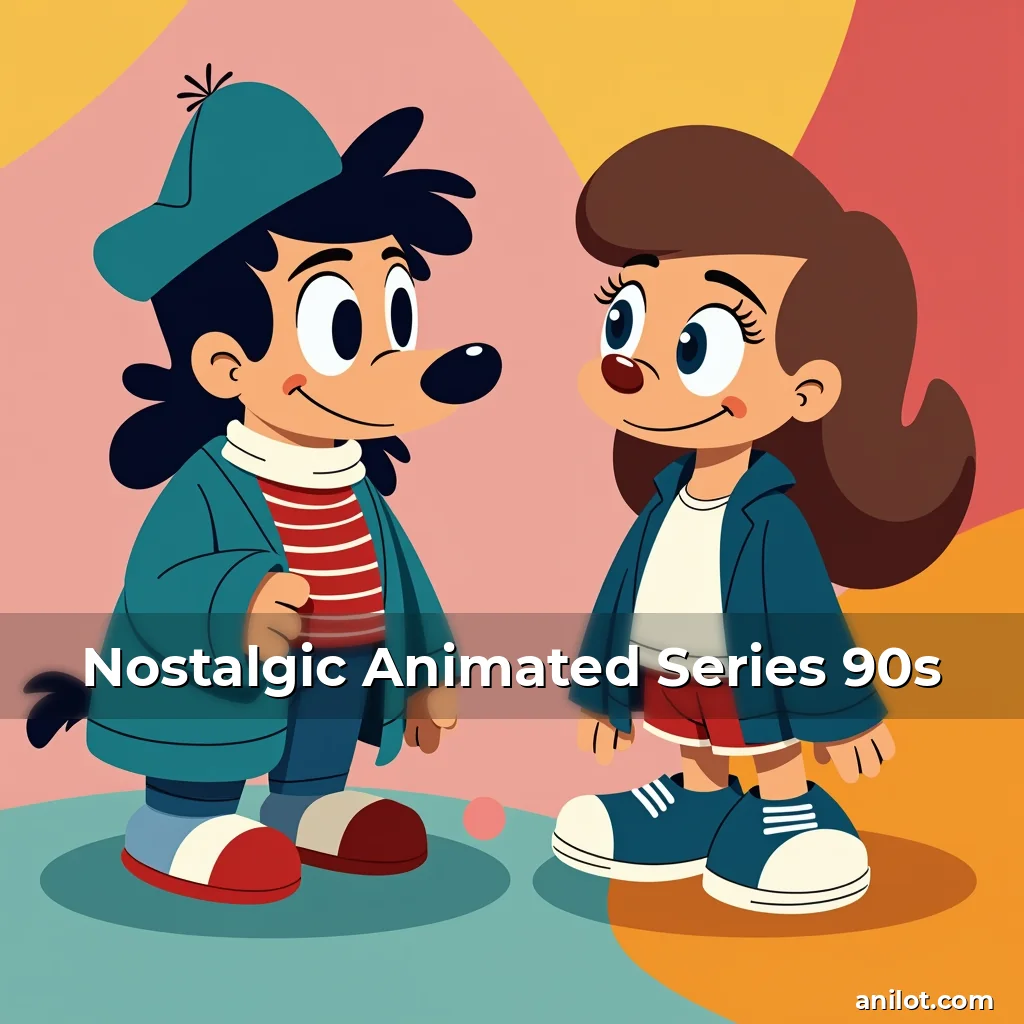
The Golden Age of Nostalgic Animated Series from the 90s
The 1990s were a transformative decade for animated television, marking what many now refer to as the golden age of animation. This era produced some of the most iconic and enduring animated series that continue to captivate audiences today.
Fueled by technological advancements and creative experimentation, 90s cartoons brought storytelling, character development, and visual design to new heights. Shows like Sailor Moon, Pokémon, and Digimon became cultural phenomena, leaving an indelible mark on global pop culture.
Rise of Studio Innovation and Storytelling Excellence
The 1990s saw unprecedented growth in animation studios worldwide. Japan’s Toei Animation, America’s Warner Bros., and Europe’s Nelvana each contributed groundbreaking works during this period. These studios pushed boundaries in both technical execution and narrative complexity.
New technologies such as digital ink-and-paint systems allowed animators to achieve greater fluidity and expressiveness in their work. The introduction of computer-generated imagery (CGI) began to blend with traditional hand-drawn techniques, creating visually stunning results.
Studio innovation:
- Toei Animation revolutionized episodic storytelling with its serialized approach, particularly seen in Sailor Moon.
- Warner Bros. reinvigorated classic characters through modern reinterpretations in shows like Bugs Bunny Cartoons.
- Nelvana pioneered international co-productions that introduced Western audiences to diverse narratives.
This era also witnessed the rise of dedicated animation studios focused solely on producing quality content. Companies like Klasky Csupo, responsible for Ren & Stimpy, challenged conventional norms with edgy humor and experimental visuals.
Cultural Impact and Global Influence
Animated series from the 90s transcended borders and demographics, becoming shared experiences across generations. Pokemon‘s global success demonstrated how animation could create universal appeal while maintaining cultural specificity.
The decade gave birth to some of the first truly global franchises. Through syndication deals, home video releases, and later streaming platforms, these shows reached millions beyond their original broadcast regions.
Digimon exemplified this phenomenon, blending Japanese mecha tropes with American-style adventure storytelling. Its success paved the way for future cross-cultural collaborations in animation.
Evolving Character Development and Narrative Complexity
Characters in 90s animated series underwent significant evolution compared to earlier decades. They developed richer backstories, moral dilemmas, and emotional depth rarely seen before in children’s programming.
Showrunners experimented with complex relationships between characters. In Dragon Ball Z, Goku’s journey from naive warrior to disciplined hero showcased nuanced character arcs seldom found outside adult-oriented media.
Female protagonists gained more agency and dimensionality. Characters like Sailor Moon’s Usagi Tsukino balanced typical anime traits with genuine personal struggles and growth.
The decade also saw increased representation of diverse backgrounds and perspectives within animated worlds. While still limited by contemporary standards, efforts were made toward inclusivity that would influence future productions.
Tech Advancements and Visual Evolution
Technological progress played a crucial role in shaping the look and feel of 90s animated series. The transition from celluloid film to digital formats enabled faster production times without sacrificing artistic quality.
New software tools allowed artists to experiment with lighting effects, color palettes, and dynamic camera movements previously unattainable in traditional animation. These innovations opened up new creative possibilities for storytellers.
One notable advancement was the use of limited animation techniques combined with strategic background art to maintain visual interest without excessive cost. This balance helped sustain high-quality output even under budget constraints.
As computers became more integrated into the workflow, hybrid approaches emerged where CGI elements enhanced rather than replaced traditional hand-drawn animation. This synergy created distinctive visual styles that defined many successful series.
Influence on Modern Animation Practices
The legacy of 90s animated series is evident in current industry practices and trends. Many modern shows draw inspiration from the storytelling structures, character dynamics, and thematic explorations pioneered during this era.
Contemporary creators often reference or reimagine 90s classics, acknowledging their foundational impact on the medium. Streaming platforms have further amplified access to these seminal works, ensuring their continued relevance.
Some studios actively collaborate with veteran animators who worked on 90s hits, combining old-world craftsmanship with modern technology. This fusion keeps the spirit of the golden age alive while embracing new creative frontiers.
The emphasis on character-driven narratives and world-building established during the 90s continues to shape expectations for animated content today. Audiences now demand deeper stories and well-developed characters across all genres and formats.
Preservation Efforts and Nostalgia Culture
Recognizing the cultural significance of 90s animated series, preservation initiatives have emerged to safeguard these works for future generations. Archives, retrospectives, and fan communities play vital roles in keeping the legacy alive.
Streaming services have become key players in preserving and distributing classic animated content. Platforms like Crunchyroll and Netflix feature curated collections that make vintage series accessible to new viewers worldwide.
Fan-made projects, including remastered versions, commentary tracks, and documentary features, contribute significantly to ongoing appreciation of these shows. Online forums and social media groups facilitate intergenerational discussions about favorite episodes and characters.
The nostalgia factor has fueled renewed interest among adults who grew up watching these programs. Merchandise, themed events, and re-releases capitalize on this sentimental connection to past entertainment experiences.
Enduring Legacy and Future Prospects
The influence of 90s animated series extends far beyond their initial run. Their themes, characters, and storytelling methods remain relevant, continually inspiring new interpretations and adaptations.
While newer animated series incorporate modern sensibilities and emerging technologies, they frequently pay homage to the stylistic choices and narrative frameworks established in the 90s. This interplay ensures a continuous dialogue between eras.
Future generations will likely view these shows as pivotal moments in animation history, much like we regard classic films or literature from previous centuries. Their impact will be studied academically and celebrated culturally for years to come.
The resilience of 90s animated series demonstrates the timeless power of good storytelling. As long as there are passionate fans and visionary creators, these beloved shows will continue to find new life and meaning in evolving contexts.
Conclusion
The 1990s marked a defining chapter in the history of animated television. From innovative studio practices to groundbreaking storytelling, this era laid the foundation for today’s vibrant animation landscape.
By understanding and appreciating the achievements of 90s animated series, we gain insight into the evolution of our media landscape. Let us celebrate these remarkable contributions and ensure their place in the annals of entertainment history.


news is a contributor at AniLot.com. We are committed to providing well-researched, accurate, and valuable content to our readers.
You May Also Like

The Artistry of Wildlife Animation: Bringing Nature's Wonders to Life Through Digital Storytelling
The Artistry of Wildlife Animation: Bringing Nature's Wonders to Life Through Digital Storytelling In the vibrant world of digital media,...
The Endearing World of Cartoon Animals: A Journey Through Whimsy and Imagination
The Endearing World of Cartoon Animals: A Journey Through Whimsy and Imagination In the vibrant tapestry of animation, cartoon animals...
Funny Animal Videos Fails
Funny Animal Videos Fails The world has become increasingly fascinated by funny animal videos that capture unexpected moments in nature....
Wildlife Animation Series
The Artistry of Wildlife Animation: Bringing Nature's Creatures to Life Through Digital Craftsmanship In an era where digital storytelling has...