
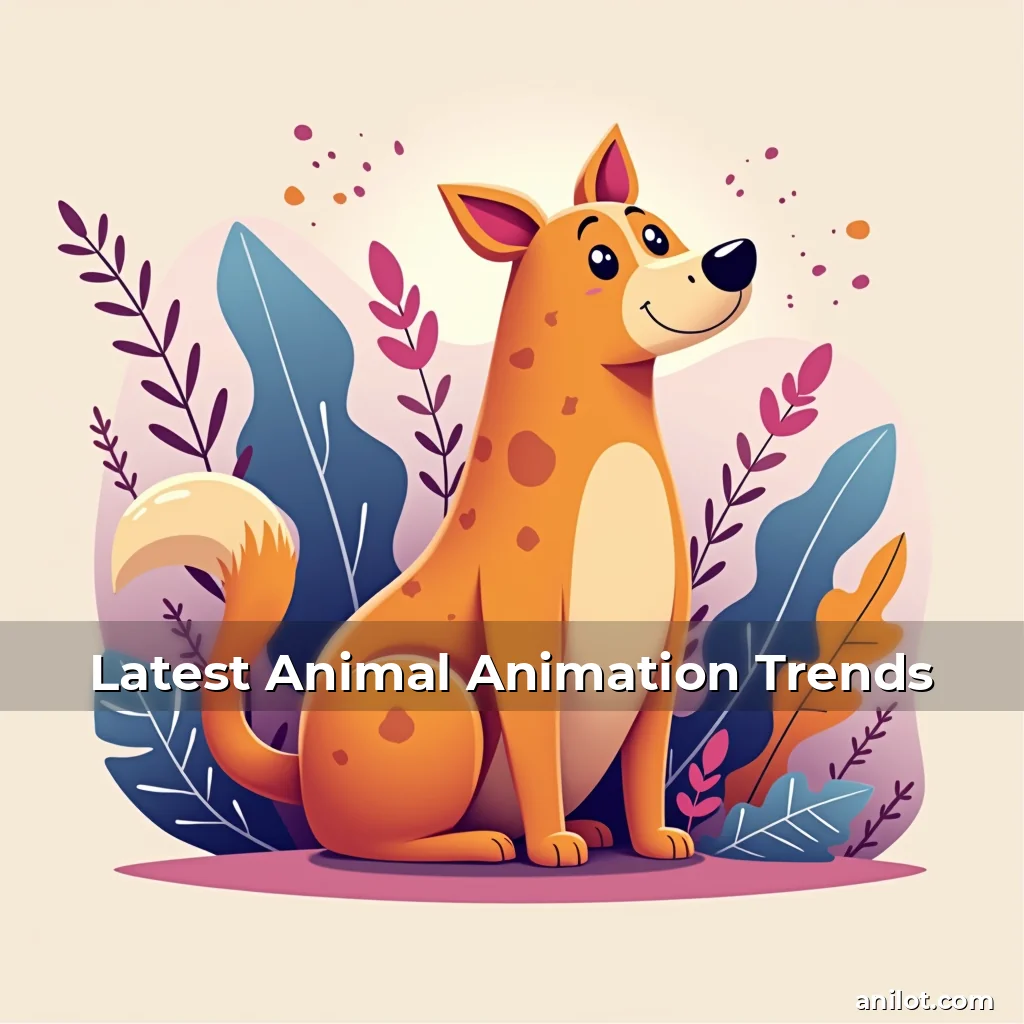
The Evolution of Animal Animation: Innovations Shaping the Future of Creature Design
In recent years, animal animation has emerged as a dynamic force within both entertainment and educational media. From blockbuster films to interactive learning platforms, animators are redefining how animals come to life through digital artistry. This transformation reflects not only technological advancements but also evolving audience expectations.
The shift toward hyper-realistic textures and expressive character development marks a significant turning point in the field. Animators now prioritize emotional resonance alongside visual accuracy when depicting wildlife. These changes have sparked new creative directions that extend beyond traditional storytelling formats.
The Rise of Hyperrealism in Wildlife Animation
Hyperealism is revolutionizing how animals appear in animated productions by capturing intricate biological details previously thought impossible. Advanced motion capture technology allows animators to translate real-life movements into virtual environments with unprecedented precision. This approach creates immersive experiences where audiences can observe creatures in their natural habitats without leaving their screens.
Animators use high-resolution scanning techniques to map every fur strand and skin texture onto digital models. These scans enable precise replication of animal anatomy, including muscle movement patterns during locomotion. When combined with photorealistic lighting effects, these animations achieve lifelike transparency that blurs the line between reality and fiction.
- Biomorphic Texturing: Modern software enables the simulation of realistic hair dynamics across various species, from sleek feline coats to coarse bear fur.
- Dermal Simulation: Detailed modeling of subcutaneous structures reveals how light interacts with different types of animal skin under varying conditions.
This level of realism requires collaboration between biologists and artists working hand-in-hand. Experts provide anatomical references while creatives interpret them through artistic lenses. Such interdisciplinary efforts ensure scientific accuracy doesn’t compromise aesthetic appeal.
The industry’s investment in research facilities specializing in zoological studies further supports this trend. Studios maintain extensive databases containing behavioral data collected from live specimens. This information guides animators in replicating authentic animal interactions within virtual ecosystems.
Eco-Conscious Storytelling Through Animated Creatures
Animal animation has become a powerful medium for conveying environmental messages. Producers increasingly recognize the potential of animated characters to engage younger generations in conservation issues. Educational programs leverage colorful, relatable animal figures to teach ecological principles in accessible ways.
Creative teams develop narratives centered around endangered species and habitat preservation. By humanizing these creatures through emotive expressions and relatable personalities, stories foster empathy among viewers. This technique transforms complex environmental challenges into digestible lessons wrapped in compelling adventures.
Case Studies in Environmental Awareness
A notable example comes from a popular animated series featuring a polar bear protagonist navigating melting ice caps. Viewers witness firsthand the consequences of climate change through the character’s struggles. This narrative choice makes abstract scientific concepts tangible and emotionally impactful.
Interactive games have also adopted eco-themed storylines, allowing players to make decisions affecting virtual ecosystems. Real-time feedback mechanisms show immediate environmental repercussions based on player choices. This gamification strategy enhances retention rates of key sustainability messages.
School curricula now incorporate animated modules focused on biodiversity loss. Students participate in simulated conservation projects using avatars representing different species. These activities promote hands-on engagement with ecological concepts typically taught through textbooks.
Documentaries often blend live-action footage with computer-generated elements to illustrate broader environmental themes. This hybrid format provides context while maintaining viewer immersion in the subject matter. It serves as an effective bridge between factual information and creative interpretation.
Character Development Beyond Anthropomorphism
Modern animal animation embraces nuanced portrayals that go beyond simple anthropomorphic traits. Rather than forcing human-like behaviors onto non-human characters, creators focus on showcasing genuine animal instincts and social structures. This approach results in richer, more authentic representations of wildlife.
Filmmakers study ethology extensively before developing animal characters. Understanding natural behaviors ensures accurate depiction of species-specific actions such as hunting strategies or mating rituals. These observations inform how characters interact with their environments and each other in animated worlds.
Animations avoid projecting excessive human emotions onto animal characters unless doing so aligns with established biological norms. For instance, certain primates naturally exhibit complex social behaviors similar to humans, making them suitable candidates for such interpretations. Other species require careful handling to preserve their inherent nature.
By respecting biological realities rather than imposing fictional attributes, animators create more credible characters. Audiences appreciate seeing animals portrayed according to their actual capabilities and limitations. This authenticity builds trust in the narrative being presented.
Collaboration between scientists and storytellers leads to innovative character designs. Researchers help identify which physical features most accurately represent particular species. Artists then translate these findings into visually appealing forms that retain scientific integrity.
The Integration of AI in Animal Animation Processes
Artificial intelligence has begun transforming various aspects of animal animation production pipelines. Machine learning algorithms analyze vast datasets of animal behavior to generate realistic movement patterns automatically. This innovation significantly reduces manual labor required for creating complex sequences involving numerous creatures.
AI-powered tools assist in generating facial expressions that convey subtle emotional cues. Neural networks trained on thousands of animal videos can produce micro-expressions matching those observed in real life. This capability adds depth to character performances previously difficult to achieve manually.
Procedural generation systems powered by AI allow for rapid creation of diverse animal populations within virtual environments. These systems simulate natural variations in appearance and behavior, ensuring no two individuals look exactly alike. This randomness contributes to more organic-looking ecosystems in animated settings.
Automated rigging solutions streamline the process of setting up skeletal structures for animation. AI analyzes reference materials to determine optimal joint placements and range of motion parameters. This efficiency enables faster iteration cycles during production phases.
Data-driven approaches enhance predictive modeling capabilities for crowd simulations. Algorithms calculate probable movement paths for groups of animals based on behavioral patterns identified through machine learning analysis. This method produces convincing mass gatherings seen in documentaries or epic battle scenes.
Emergence of Interactive Animal Animation Experiences
Advancements in gaming technology have given rise to highly interactive animal animation experiences. Players assume roles within ecosystems, making decisions that affect entire populations of virtual creatures. These simulations offer unparalleled opportunities for exploring wildlife dynamics in controlled environments.
Virtual reality applications immerse users in fully realized animal habitats. Participants navigate through forests, oceans, or deserts encountering various species along the way. These experiences provide direct interaction with animated creatures at close range without disrupting actual wildlife.
Augmented reality overlays bring digital animals into real-world environments seamlessly. Users might see augmented foxes darting through city streets or digital whales swimming beside boats. This blending of virtual and physical spaces opens exciting possibilities for educational outreach initiatives.
Mobile apps feature mini-games focusing on specific animal behaviors. Challenges involve tracking prey movements, identifying calls, or constructing shelters appropriately for different species. Gamified learning encourages repeated engagement with wildlife-related content.
These interactive experiences benefit researchers by providing alternative methods for studying animal behavior. Simulated scenarios allow testing hypotheses about predator-prey relationships or migration patterns safely. Results from these experiments contribute to ongoing scientific investigations.
The Role of Cultural Context in Animal Animation
Cultural influences profoundly shape how animals are depicted in animation across different regions. Traditional folklore often inspires iconic animal characters that reflect local values and beliefs. These cultural motifs continue to influence modern interpretations even within globalized entertainment industries.
Asian cinema frequently incorporates mythical beasts rooted in ancient legends. Dragons, phoenixes, and qilins appear regularly in animated works, carrying symbolic meanings tied to specific cultures. Western adaptations sometimes reinterpret these creatures to fit different narrative contexts while preserving essential characteristics.
Indigenous perspectives enrich contemporary animal animation by incorporating native knowledge systems. Many communities possess deep understandings of local fauna that inform more authentic portrayals. Collaborative projects between indigenous artists and mainstream studios result in culturally sensitive representations of wildlife.
Religious iconography also plays a role in shaping animal imagery. Certain animals hold sacred status in various faith traditions, influencing their portrayal in animated depictions. Respectful integration of these symbols maintains cultural relevance while avoiding appropriation concerns.
Multicultural collaborations lead to fascinating cross-pollination of ideas. Hybrid styles emerge when artists combine techniques from different traditions, resulting in fresh visual languages. These innovations keep the field continually evolving while honoring its diverse roots.
Trends in Character Voice Acting for Animated Animals
The evolution of voice acting techniques has greatly enhanced the expressiveness of animated animals. Performers now employ specialized vocalizations to match the natural sounds made by different species. This attention to auditory detail improves overall believability in character portrayals.
Some actors undergo training to mimic specific animal noises realistically. Others work closely with sound designers who record authentic examples from live subjects. Combining these resources helps create voices that feel genuinely connected to the animals they represent.
Dialogue delivery varies depending on the creature being voiced. Larger mammals may speak slowly with deeper tones, while small rodents could have higher pitched, quicker speech patterns. Maintaining consistency across multiple takes ensures seamless continuity in final productions.
Emotional inflection becomes crucial for conveying character personality through voice alone. A timid rabbit might stutter slightly when nervous, whereas a confident lion would project authority in its tone. These nuances add layers of complexity to otherwise simple visual presentations.
Recent developments include multi-layered vocal tracks combining natural sounds with spoken dialogue. This technique allows for simultaneous expression of internal thoughts and external communication, enhancing narrative depth significantly.
Future Directions and Emerging Technologies
Ongoing research explores the potential of haptic feedback systems integrated with animal animation interfaces. These tactile responses could enable users to physically feel vibrations produced by moving creatures, adding another dimension to immersive experiences.
Quantum computing promises breakthroughs in rendering complex animal animations at unprecedented speeds. Early prototypes demonstrate remarkable improvements in processing power dedicated solely to animation tasks, potentially reducing production timelines dramatically.
Neurological interfaces may soon allow direct control over animated characters through brainwave monitoring devices. This advancement could redefine user interaction paradigms, enabling intuitive command of virtual animals simply by thinking about desired actions.
Biometric sensors worn by performers could transmit physiological data to enhance character expressions dynamically. Changes in heart rate or breathing patterns might subtly alter animation outputs, creating more responsive interactions between users and animated entities.
As these technologies mature, ethical considerations will become paramount. Ensuring responsible implementation of neural interfaces and biofeedback systems will be critical for maintaining appropriate boundaries between digital creations and human consciousness.
Conclusion
The landscape of animal animation continues to evolve rapidly, driven by technological progress and shifting societal priorities. Innovations in realism, interactivity, and cultural representation define current trends shaping the future of creature design.
Staying informed about emerging developments remains vital for anyone involved in or fascinated by this dynamic field. Engaging with cutting-edge techniques and thoughtful storytelling approaches ensures continued growth and appreciation for the art form of animal animation.

news is a contributor at AniLot.com. We are committed to providing well-researched, accurate, and valuable content to our readers.
You May Also Like
About the Author
Related Articles
Wildlife Animation Series
The Artistry of Wildlife Animation: Bringing Nature’s Creatures to Life Through Digital Craftsmanship In an…
The Enchanting World of Animated Animals: A Journey Through Art, Culture, and Technology
The Enchanting World of Animated Animals: A Journey Through Art, Culture, and Technology In a…
Animal Characters Costume Design
The Enchanting World of Animal Character Creation: A Deep Dive into Storytelling Through Nature’s Creatures…