


The Enchanting World of Kids Animation: A Journey Through Creativity and Imagination 🌈🎨
Kids animation isn’t just entertainment—it’s a gateway to learning, creativity, and joy. From whimsical characters to vibrant worlds, animated shows captivate young minds while teaching invaluable life lessons. 🧸✨
With streaming services bursting with options, families now face endless choices for children’s programming. Yet, amid the chaos, kids animation remains a powerful medium that blends education, fun, and artistry seamlessly. 💡🎥
Why Kids Animation Holds a Special Place in Modern Media
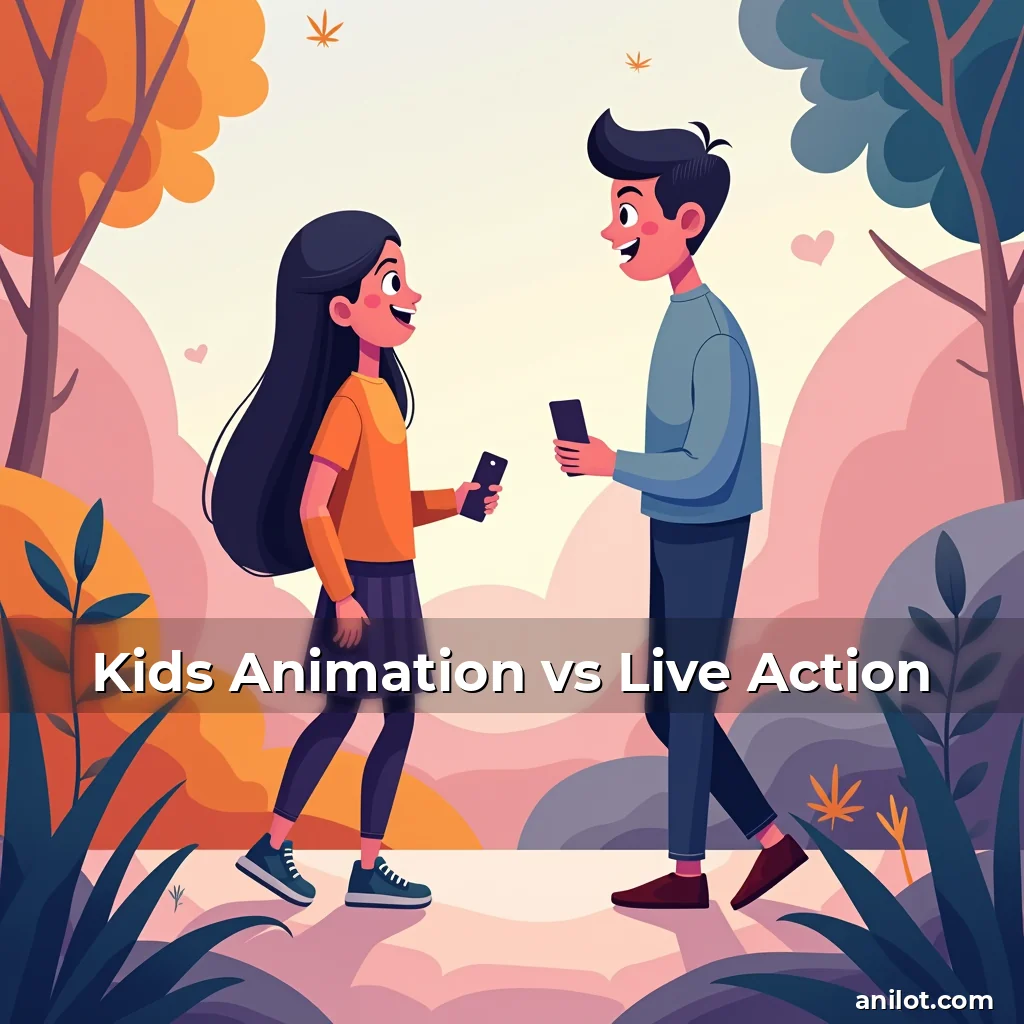
Kids animation stands apart due to its ability to simplify complex ideas through visual storytelling. Unlike live-action films, which rely heavily on realism, animation allows creators to build fantastical realms limited only by imagination. 🪄🌌
This freedom lets animators craft stories that resonate deeply with children. Whether exploring emotions, tackling social issues, or sparking curiosity about science, animated content provides a safe space for exploration. 🤖🌍
- Visual Simplicity: Bright colors, exaggerated expressions, and clear narratives help children grasp abstract concepts easily.
- Cultural Influence: Global traditions and folklore often inspire animated series, enriching children’s understanding of diverse cultures. 🗺️🎭
The Evolution of Kids Animation Over Decades
Kids animation has come a long way since hand-drawn classics like *Snow White* (1937) or *The Flintstones*. Today’s productions leverage cutting-edge technology to deliver immersive experiences that rival live-action films. 📽️🚀
The rise of CGI (Computer Generated Imagery) in the late 1990s revolutionized the field. Shows like *Toy Story* (1995) proved that animation could stand alone as a legitimate storytelling format, paving the way for modern blockbusters like *Frozen* (2013). 🎬❄️
A Timeline of Technological Milestones
In the early days, stop-motion animation dominated. Studios like Studio Ghibli used meticulous craftsmanship to bring stories to life, as seen in *My Neighbor Totoro* (1988). These methods were time-consuming but laid the groundwork for innovation. 🕹️🧱
The 2000s saw digital tools streamline production. Software like Maya and Blender enabled faster rendering and more intricate designs. This shift allowed creators to experiment boldly, resulting in groundbreaking series like *Avatar: The Last Airbender* (2005–2008). 🔮💻
How Kids Animation Balances Education and Entertainment
Modern animated shows often serve dual purposes: entertaining while subtly educating. Series like *Bluey* teach problem-solving skills, while *Dora the Explorer* reinforces language learning through interactive adventures. 🧩📚
Educational content doesn’t always feel forced. Shows integrate lessons organically, ensuring kids absorb messages without realizing they’re being taught. For instance, *Paw Patrol* emphasizes teamwork and responsibility during rescue missions. 👾🤝
- Social Skills: Cartoons like *Daniel Tiger’s Neighborhood* model empathy and communication strategies. 🧠💬
- STEM Concepts: Programs like *Bill Nye the Science Guy* blend humor with scientific facts, inspiring young scientists. 🔬🧪
The Role of Music and Sound Design in Kids Animation
Musical scores and sound effects play a critical role in enhancing emotional resonance. Iconic theme songs like *Baby Shark* instantly become memorable, creating instant connections between viewers and content. 🎶🦈
Sound design adds layers of immersion. Crunching footsteps, cheerful chimes, or dramatic orchestral swells heighten tension and excitement. Think of the ominous music in *Shark Tale* (2004)—it amplifies the stakes of underwater adventures. 🦈🎼
Case Study: The Impact of Music on Learning
Research suggests that music aids memory retention. Educational shows like *Super Why!* use sing-along segments to reinforce reading skills, helping kids remember letters and vocabulary effortlessly. 📘🎵
Moreover, culturally rich music introduces children to global sounds. Japanese anime often features traditional instruments like koto or shamisen, blending East meets West in captivating ways. 🇯🇵🎻
Diversity and Representation in Contemporary Kids Animation
Todays’ animated series strive to reflect real-world diversity. Characters of various ethnicities, abilities, and backgrounds appear regularly, fostering inclusivity. Shows like *Mira, Royal Detective* celebrate multiculturalism while solving mysteries. 🏳️🌈🕵️♀️
Representation extends beyond race. LGBTQ+ themes increasingly surface in family-friendly content. *Steven Universe*, for example, explores love and identity openly, resonating with both queer youth and allies. ❤️🧡💛
- Cultural Authenticity: Collaborations with experts ensure accurate portrayals of heritage, as seen in *Baba Yaga’s Assistant*. 🌍🧙♀️
- Disability Visibility: Characters like Billy from *Wish Upon a Star* break stereotypes, showcasing strength and resilience. 🦸♂️💪
The Business Side of Kids Animation: Trends and Challenges
Creating successful kids animation involves navigating tight budgets and high expectations. Studios balance cost-efficiency with quality, often relying on franchise extensions like *Teen Titans Go!*. 💰💸
Streaming platforms now dominate distribution, altering revenue models. Traditional networks like Nickelodeon compete with Disney+, Netflix, and YouTube Originals, forcing studios to innovate constantly. 📺🔥
Data Insights: Viewer Preferences and Market Growth
According to Nielsen, over 60% of U.S. households watch kids animation weekly, with streaming services driving much of the growth. Gen Z parents prioritize content that aligns with educational values and ethical standards. 📊📺
However, challenges persist. Content moderation, advertising integration, and age-appropriate censorship remain hot-button issues. Parents demand transparency, pushing creators to adopt stricter guidelines. ⚖️🚫
Fostering Creativity: How Kids Animation Inspires Young Minds
Animated shows ignite imaginations, encouraging kids to think creatively. When children see characters like SpongeBob SquarePants (a sponge living under the sea), they question boundaries and embrace absurdity—a vital part of childhood. 🐙🌊
Many animators credit their childhood favorites as career inspirations. J.J. Abrams cited *Star Trek: The Next Generation* as fueling his passion for storytelling, proving animation’s power to shape futures. 🎥🚀
- Artistic Exploration: Drawing workshops tied to shows like *Phineas and Ferb* allow kids to channel their creativity onto paper. 🎨🖌️
- Critical Thinking: Mystery-based episodes in *Gravity Falls* challenge kids to solve puzzles, sharpening analytical skills. 🔍🧠
The Future of Kids Animation: What Lies Ahead?
Advancements in AI and virtual reality promise exciting changes. Imagine VR versions of *Spider-Man: Into the Spider-Verse* letting kids walk alongside Miles Morales. 🤖🕶️
Interactive storytelling may redefine the genre further. Games like *Fortnite* already blend animation with gameplay, hinting at a future where passive viewing becomes collaborative adventure. 🎮👾
Predictions for the Next Decade
Personalized content could emerge via AI algorithms, tailoring episodes based on individual viewer preferences. This level of customization may deepen engagement but raises privacy concerns. 🤖🔒
Meanwhile, sustainability efforts will likely grow. Eco-conscious studios may prioritize recycled materials and energy-efficient practices, mirroring broader environmental movements. ♻️🌱
Parents and Guardians: Guiding Children Through Animation
Selective viewing helps prevent exposure to inappropriate content. Tools like Disney+ Parental Controls enable age restrictions, ensuring kids access suitable material. 🛑👶
Engaging in conversations after watching shows fosters deeper understanding. Asking questions like, “What did you learn?” or “How would you handle that situation?” turns screen time into meaningful dialogue. 💬💡
- Broadening Horizons: Introduce kids to international animations like *Raya and the Last Dragon* to expand worldview perspectives. 🌏🐉
- Healthy Habits: Set limits on screen time to encourage physical activity, outdoor play, and social interactions. 🏃♀️🌳
Conclusion
Kids animation continues to evolve, offering boundless opportunities for creativity, learning, and connection. Its blend of art, technology, and storytelling ensures its place in culture for generations to come. 🎉🌟
Whether you’re a parent seeking educational content, a creator inspired by the possibilities, or simply a fan of magical worlds, kids animation invites everyone to dream bigger. Embrace the magic—and let your imagination soar! ✨🕊️


news is a contributor at AniLot.com. We are committed to providing well-researched, accurate, and valuable content to our readers.
You May Also Like

Educational Animal Cartoons Kids
The Joyful World of Educational Animal Cartoons for Kids Animal cartoons have long been cherished by children around the world...
Digital Animal Art for Beginners
Digital Animal Art for Beginners: Transforming Creativity Through Technology In today’s fast-evolving world of visual expression, digital animal art stands...
Animal Animation Films Awards Winners
The Golden Era of Animal Animation Films: A Celebration of Creativity and Craftsmanship In recent years, animal animation films have...
Animated Movies Emotional Scenes
The Timeless Magic of Animated Movies: A Journey Through Imagination and Emotion Animated movies have long held a special place...