
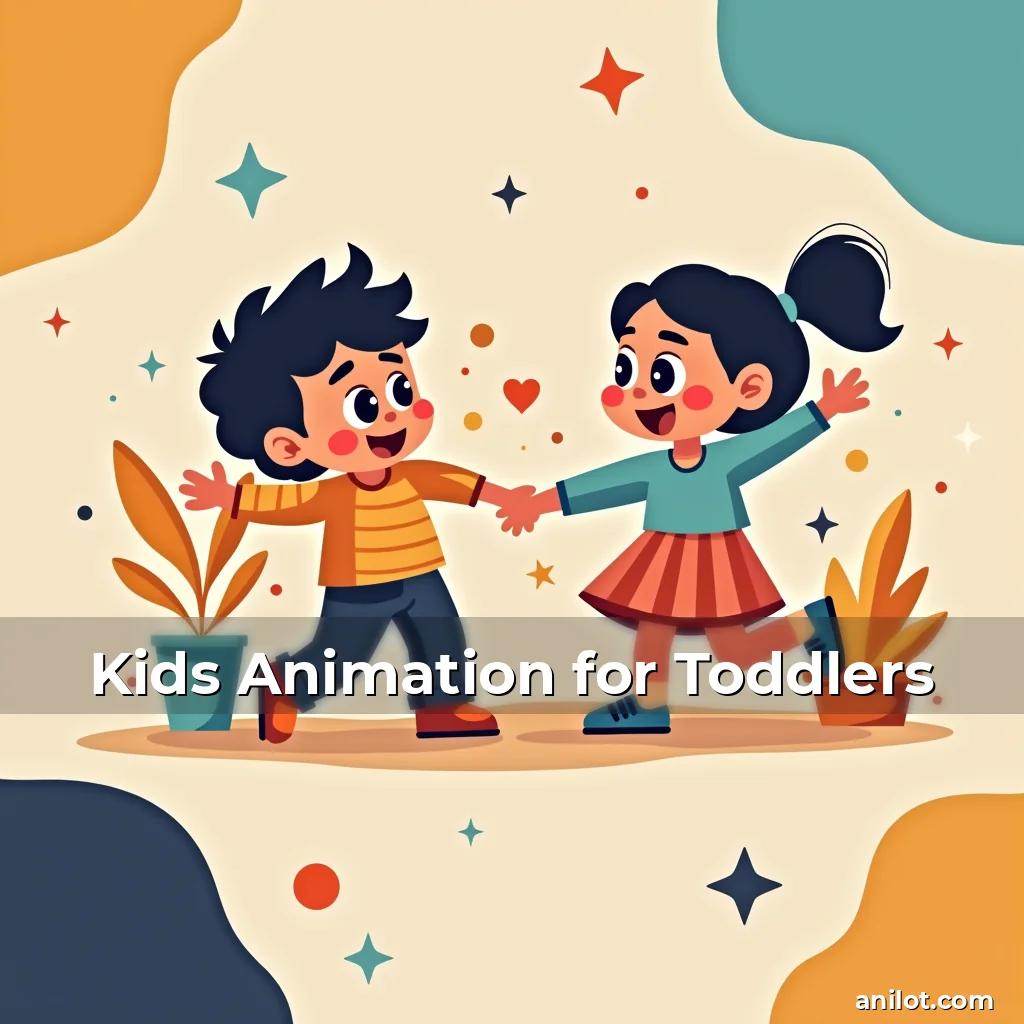
The Enchanting World of Kids’ Animation: A Gateway to Creativity and Learning
In today’s digital age, kids’ animation has become an integral part of childhood entertainment and education. From colorful cartoon characters to interactive learning experiences, animated shows have transformed how young minds explore the world around them.
With platforms like YouTube, Netflix, and dedicated children’s networks offering a vast array of animated content, parents now have countless options to engage their little ones. This article delves deep into the fascinating realm of kids’ animation, exploring its impact, evolution, and role in shaping early development.
The Role of Kids’ Animation in Early Childhood Development
Kids’ animation plays a crucial role in the cognitive, emotional, and social development of preschool-aged children. Through vibrant visuals and relatable storylines, these animations help toddlers make sense of complex emotions and situations they encounter daily.
Animated series often use repetition, simple dialogue, and predictable patterns that align perfectly with the way young brains learn and retain information. These elements create strong foundations for language acquisition and literacy skills in developing minds.
Emotionally, animated shows can serve as safe spaces where children experience various feelings through beloved characters. Seeing a character feel sad or excited helps kids recognize and understand their own emotions in healthy ways.
- Language Skills: Animated programs expose children to new vocabulary while presenting concepts in fun and memorable formats
- Social Awareness: Characters interacting in different scenarios teach empathy, sharing, and conflict resolution skills
- Cognitive Growth: Problem-solving sequences in animations encourage critical thinking without overwhelming young viewers
Researchers at Harvard University found that consistent exposure to quality animated content correlates with improved memory retention and increased attention spans among children aged two to five years old.
This positive correlation highlights the importance of selecting educational yet entertaining animated content for young learners who are still developing executive functioning skills.
Evolving Trends in Children’s Animated Content
Over the past decade, the landscape of children’s animation has undergone significant transformation driven by technological advancements and changing parental expectations. Today’s animated productions incorporate immersive storytelling techniques previously reserved for older demographics.
Digital streaming services have revolutionized access to animated programming, allowing families to enjoy curated content anytime, anywhere. This shift has led to a rise in niche animations catering to specific interests such as STEM themes or cultural diversity representations.
Interactive features are becoming increasingly common in modern animated content. Many mobile apps and web-based animations now allow children to participate actively rather than passively watching stories unfold.
A notable trend is the incorporation of moral dilemmas within animated narratives. Shows like “Big City Adventure” present protagonists facing ethical choices that naturally teach values like honesty and integrity during routine adventures.
Voice actors contributing to children’s animations have also evolved, with performers adopting distinct styles tailored specifically for younger audiences. Their delivery must be clear enough for comprehension but playful enough to maintain engagement.
Choosing Quality Kids’ Animation Content
Selecting appropriate animated content for children requires careful consideration of developmental stages and individual preferences. Parents play a vital role in curating media experiences that support growth without compromising safety.
Gaining insight into rating systems can greatly assist caregivers when making selections. The V-chip system used across many devices allows parents to set viewing restrictions based on content ratings and maturity levels.
Critically evaluating animated shows involves analyzing both narrative structure and visual aesthetics. Effective children’s animation balances educational value with entertainment through well-developed plots and appealing designs.
Paying attention to production quality indicates potential educational merit. Shows from reputable studios often include credits acknowledging child psychologists or educators involved in content creation.
An Analysis of Educational Value in Popular Titles
Several widely viewed animated series demonstrate exceptional educational integration without sacrificing entertainment. For example, “Numbers Nook” incorporates basic math principles through engaging games and puzzles that kids find amusing.
“Green Valley Explorers” teaches environmental awareness by following a group of animal friends discovering ecosystems firsthand. The show subtly introduces scientific terminology through natural interactions between characters.
American Academy of Pediatrics research suggests that combining educational content with active participation improves knowledge retention significantly compared to passive consumption alone.
Parents seeking balance between screen time and learning opportunities might consider hybrid approaches, using animated content as launching points for hands-on activities related to shown concepts.
The Artistic Side of Kids’ Animation Production
Creating compelling children’s animation involves a blend of technical expertise and creative vision. Artists working in this field must cater to diverse tastes while maintaining high standards of artistic expression.
Character design is particularly crucial since adorable appearances significantly influence audience connection. Designers focus on creating recognizable traits that remain consistently appealing across various expressions and actions.
Color theory plays an essential role in capturing young viewers’ attention. Bright palettes combined with soft gradients work best for sustaining interest without causing sensory overload commonly associated with neon colors.
Musical scores composed specifically for children’s animations require special instrumentation. Simple melodies with repetitive motifs prove most effective in reinforcing key message points throughout episodes.
Storyboard artists face challenges balancing educational messaging with engaging narratives. They must ensure instructional segments flow naturally within broader story arcs while maintaining viewer engagement.
Technological Innovations Shaping Future Animations
Advancements in animation technology continue reshaping how children interact with animated content. Virtual reality experiences now offer immersive environments where kids can literally step inside animated worlds.
Artificial intelligence applications enable personalized viewing experiences. Some platforms use AI algorithms to suggest new shows based on previous watch history and preferred genres discovered by users over time.
Augmented reality features allow animated characters to appear within real-world settings, blending digital and physical interaction in exciting new ways. Apps like “Furry Friends AR” let children see virtual pets playing alongside their toys.
Streaming services employ machine learning capabilities to recommend educational content matched precisely to each child’s developmental stage and learning goals set by parents or teachers.
These innovations promise to enhance educational outcomes while keeping young viewers engaged through technologically advanced methods tailored specifically for growing minds.
Bridging Cultural Gaps Through Global Animation
International collaborations in children’s animation foster cross-cultural understanding among global audiences. Shared projects bring together storytellers from different backgrounds creating content that reflects universal human experiences.
Famous examples include co-productions between American and Japanese studios producing shows with hybrid storytelling elements. These partnerships introduce unique perspectives enriching traditional Western narratives with non-Western sensibilities.
Such collaborations not only diversify available content but also promote linguistic appreciation. Dubbing processes translate messages accurately while preserving tonal nuances important for conveying meaning correctly.
Culturally sensitive storytelling becomes especially significant during international distribution. Careful adaptation ensures core messages remain intact without losing regional authenticity required for local acceptance.
By exposing children to different traditions through animation, we cultivate respect for global differences while encouraging curiosity about other cultures beyond personal experiences.
Parental Involvement in Animated Media Consumption
Active participation enhances the educational benefits derived from animated content. Parents who discuss episode themes reinforce lessons learned through verbal reinforcement and contextual application.
Joint viewing sessions provide opportunities for discussion about what was seen, helping develop analytical skills as children articulate observations made during screenings.
Critique practices involving shared evaluations allow parents to guide interpretation while respecting children’s perceptions of events portrayed onscreen.
Monitoring screen time remains essential even when consuming educational material. Establishing balanced schedules prevents excessive dependency forming between children and screens regardless of content type.
Teaching discernment skills equips children with abilities to differentiate entertainment from actual life situations. Conversations about character decisions help build judgment skills necessary for real-world decision-making later in life.
Addressing Concerns About Screen Time and Digital Exposure
While animated content offers numerous benefits, managing overall screen exposure requires thoughtful strategies ensuring holistic development continues uninterrupted.
Experts recommend adhering to guidelines suggesting moderate usage limits depending on age groups. Younger children benefit most from short, structured viewings integrated with offline activities afterward.
Taking regular screen-free intervals supports brain development by giving neural pathways dedicated processing time away from constant stimulation provided by visual media.
Encouraging alternative forms of engagement keeps creativity flourishing. Hands-on projects inspired by animated shows help transition imagination into tangible creations strengthening fine motor skills simultaneously.
When choosing animated content, prioritizing interactive options may reduce sedentary behavior typically associated with passive television watching experiences.
The Future Landscape of Kids’ Animation
Ongoing industry trends indicate continued innovation in children’s animated content shaped by evolving consumer demands and emerging technologies. Interactive elements will likely become standard features across future releases.
Customization capabilities enabling personalized viewing experiences represent another frontier being explored extensively by developers aiming to increase engagement levels effectively.
As artificial intelligence advances further, adaptive storytelling mechanisms could tailor narrative paths according to individual viewer responses recorded in real-time tracking systems.
Immersive virtual realities promise to redefine storytelling dimensions providing unprecedented interactivity never before possible with conventional animation formats currently dominating the market space.
Despite rapid changes occurring within the field, the fundamental purpose of children’s animation remains unchanged – nurturing young minds through entertaining means that spark curiosity about the world surrounding them.
Conclusion
Kids’ animation stands at the intersection of entertainment and education, offering rich opportunities for learning wrapped in visually stunning packages designed to captivate young imaginations.
As we navigate an ever-changing media environment, maintaining open communication between creators, parents, and consumers ensures that animated content continues to evolve responsibly while preserving its foundational role in early development.

news is a contributor at AniLot.com. We are committed to providing well-researched, accurate, and valuable content to our readers.
You May Also Like
About the Author
Related Articles
Digital Animal Art Styles
The Endless Canvas: Exploring Digital Animal Art Through Generative AI and Human Creativity In the…
Funny Animal Videos Compilation
The Purr-fect Collection of Hilarious Animal Mishaps and Wacky Wildlife Shenanigans Welcome to the ultimate…
Animated Movies for Adults
The Artistry Behind Animated Films: A Deep Dive Into Adult-Oriented Animation In recent years, animated…