
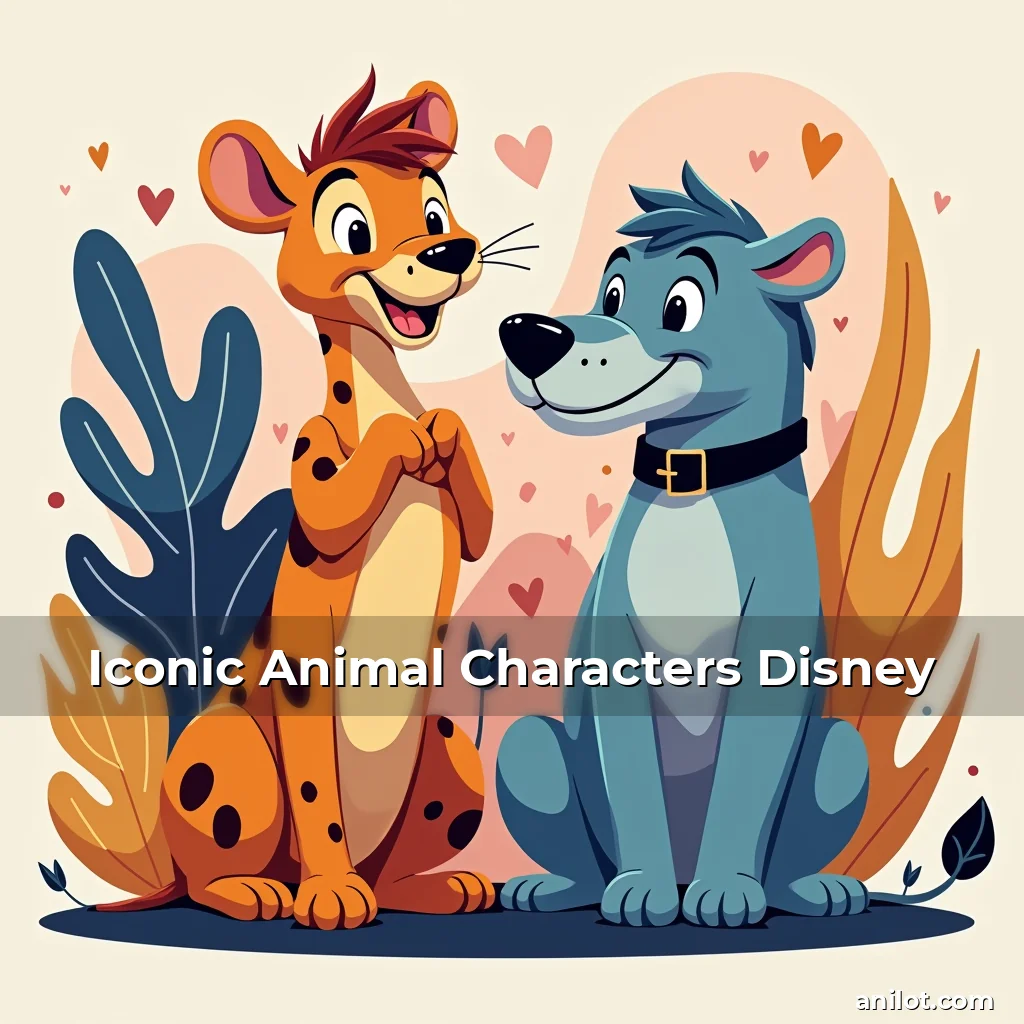
Iconic Animal Characters Disney
The world of animation has long been enriched by the presence of animal characters, whose charm, humor, and relatability transcend age and culture. From mischievous anthropomorphic creatures to wise talking animals, these figures have become cornerstones of storytelling across generations. Their ability to embody human traits while retaining their natural essence makes them universally appealing.
Disney, in particular, has played a pivotal role in shaping the legacy of animal characters through its iconic films and franchises. Creatures like Mickey Mouse, Simba, and Elsa’s snow fox companion have not only entertained millions but also inspired countless artists, writers, and animators worldwide. This article explores how animal characters thrive in storytelling, their evolution over decades, and their enduring influence on popular culture.
The Origins of Animal Characters in Storytelling
Animal characters date back to ancient mythology, folklore, and fables, where they often served symbolic roles. In Aesop’s fables, clever rabbits outwitted predators, while cunning foxes tricked unsuspecting prey. These stories used animals to convey moral lessons, making complex ideas accessible to audiences of all ages.
As civilizations advanced, animal characters transitioned from oral traditions to written narratives and eventually visual art forms. Early cave paintings depicted animals as sacred beings, while medieval bestiaries cataloged real and mythical creatures alongside allegorical meanings. These depictions laid the groundwork for later animated portrayals, blending realism with imagination.
- Folklore Roots: Many cultures incorporated anthropomorphic animals into myths, such as Native American legends featuring coyotes as tricksters or Hindu tales of Hanuman, the monkey god.
- Literary Influence: Charles Darwin’s theories sparked interest in animal behavior, inspiring authors like Beatrix Potter, who
Cultural Symbolism and Modern Relevance
Animals continue to symbolize societal issues in contemporary media. Environmental documentaries like *Our Planet* (Netflix) depict endangered species realistically, raising awareness about conservation efforts. Meanwhile, animated films such as *Happy Feet* (2006) critique consumerism through penguin protagonists navigating ecological crises.
Social justice movements have also found expression through animal characters. *Zootopia* subtly addresses racism and prejudice by framing predator-prey relationships as analogies for systemic discrimination. Its message underscores the importance of coexistence and mutual respect among differing groups.
In political satire, shows like *South Park* use grotesque animal caricatures to mock public figures, illustrating how far removed animal characters can be from their innocent roots. This duality reflects the malleability of animals as symbols capable of conveying both lightheartedness and serious critique.
Challenges Faced by Creators of Animal Characters
Designing compelling animal characters requires balancing accuracy with stylization. Artists must simplify anatomical structures for clear motion while preserving distinctive features that define each species. This challenge becomes evident when creating hybrids, such as half-man-half-animal beings, which demand careful proportion adjustments.
Voice acting adds another layer of complexity. Finding actors who can convincingly mimic animal sounds without falling into cliche is essential. For example, John Travolta’s portrayal of Roger in *The Aristocats* (1970) relied on subtle vocal inflections rather than direct imitation, enhancing the character’s sophistication.
You Might Also Enjoy: Animal-Themed Shows with LearningCriticism over anthropomorphism occasionally arises, especially when animals are portrayed as overly human. Purists argue that exaggerating traits risks undermining biological truths, though defenders counter that artistic license allows for broader emotional engagement with audiences.
The Future of Animal Characters in Animation
Advancements in AI and virtual reality promise transformative possibilities for animal character creation. Interactive experiences may allow users to “meet” animated animals in immersive environments, fostering deeper connections akin to real-world encounters. Virtual influencers modeled after animals could emerge as digital celebrities, expanding storytelling mediums beyond traditional screens.
Sustainability initiatives are influencing production methods, with eco-friendly materials and energy-efficient rendering techniques reducing environmental footprints. This aligns with growing audience expectations for responsible consumption practices across industries—including entertainment.
Cross-media integration will likely expand, enabling seamless transitions between TV shows, video games, and theme park attractions. Imagine attending a concert featuring holographic versions of beloved animal characters or participating in augmented reality scavenger hunts centered around fictional wildlife ecosystems.
Conclusion
From ancient fables to cutting-edge digital renderings, animal characters remain vital to human creativity and connection. Their ability to mirror our emotions, challenge our perspectives, and inspire action ensures their place in both past and future narratives. Whether guiding us through moral dilemmas or simply bringing joy, these figures enrich our lives immeasurably.
As we look ahead, embracing innovation while honoring tradition will shape the next generation of animal characters. By supporting diverse voices and sustainable practices in animation, we preserve the magic that continues to unite people across borders—and remind us of the shared wonders of the natural world.

news is a contributor at AniLot.com. We are committed to providing well-researched, accurate, and valuable content to our readers.
You May Also Like

About the Author
Related Articles
Animal Animation Trends 2025
The Future of Animal Animation: Emerging Trends Shaping the Industry in 2025 In 2025, animal…
Animal Animation Trends Technology
The Evolution of Animal Animation: Emerging Technologies and Creative Directions In recent years, animal animation…
Animated Wildlife Stories vs Documentaries
The Magic of Animated Wildlife Stories: Bridging Nature and Imagination In a world where digital…