
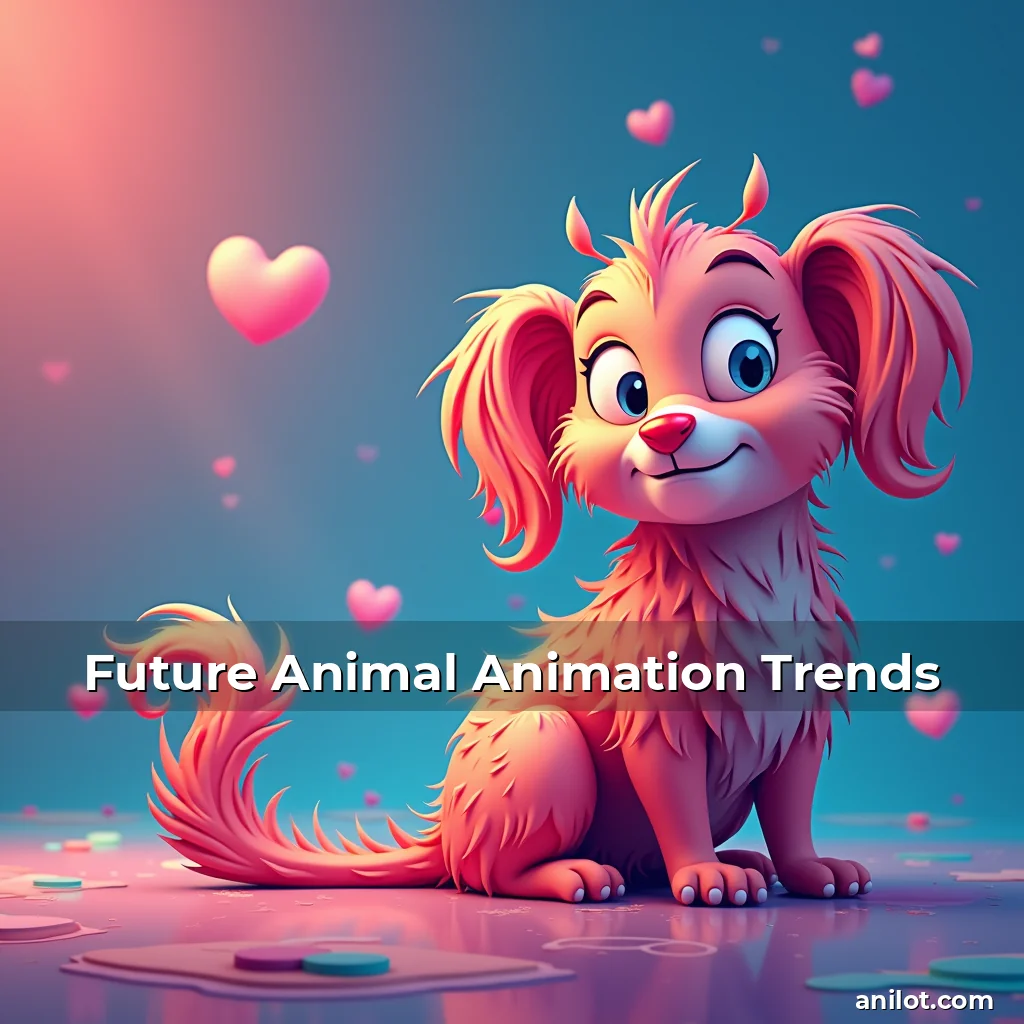
The Evolution of Animal Animation: A Deep Dive Into Emerging Trends
In recent years, animal animation has transformed from simple caricatures into intricate narratives that reflect real-world ecological concerns and emotional depth. This evolution is driven by advancements in technology, shifting audience preferences, and the growing influence of environmental awareness.
Animators are now blending traditional techniques with cutting-edge digital tools to create more lifelike portrayals of animals. These innovations not only enhance visual appeal but also allow for greater storytelling complexity within animated films and series featuring animal characters.
Redefining Realism Through Advanced Technology
The pursuit of realism in animal animation has reached unprecedented levels thanks to developments in motion capture and artificial intelligence algorithms. Studios now employ high-resolution scanning technologies to accurately replicate animal anatomy and movement patterns.
This technological leap enables animators to depict everything from the subtle twitch of a rabbit’s ear to the nuanced facial expressions of primates with remarkable precision. Such attention to detail creates immersive experiences that bridge the gap between fantasy and reality.
Artificial intelligence plays a crucial role in refining animations by analyzing vast datasets of animal behavior. Machine learning models can predict natural movements based on observed patterns, significantly reducing manual labor while maintaining biological accuracy.
- Motion Capture Innovations: High-speed cameras track live animal subjects, translating their motions into digital data for precise animation replication.
- AI-Powered Refinement: Algorithms analyze thousands of reference videos to suggest optimal movement sequences for different species.
Eco-Conscious Storytelling in Animated Narratives
Modern animal animations increasingly address pressing environmental issues such as climate change, habitat destruction, and biodiversity loss. This trend reflects both audience demand for socially relevant content and industry efforts toward sustainability initiatives.
Animal-centric stories often feature protagonists facing challenges mirroring those experienced by their real-life counterparts. For example, animated documentaries now show how deforestation affects wildlife populations through visually compelling narratives.
Data-Driven Environmental Messaging
A study by the Wildlife Conservation Society found that 68% of viewers retain key conservation messages after watching environmentally themed animations. This statistic underscores the educational potential of the medium when crafted effectively.
Animated productions use visual metaphors to simplify complex scientific concepts. One notable technique involves depicting forest ecosystems as interconnected networks where each character represents a vital component of nature’s balance.
Cultural Diversity in Animal Character Design
Globalization has expanded the scope of animal animation beyond Western-centric perspectives. Animators now draw inspiration from diverse cultural myths and folklore across Africa, Asia, and South America to enrich character designs.
Traditional art forms such as Japanese ukiyo-e woodblock prints have influenced stylized renderings of mythical beasts like dragons and phoenixes. Similarly, indigenous storytelling traditions contribute unique interpretations of familiar creatures.
This cross-cultural exchange fosters greater inclusivity in entertainment while preserving endangered artistic heritage. It allows audiences worldwide to connect with narratives rooted in various worldviews without losing universal themes of friendship and adventure.
Interactive Experiences Redefining Engagement
Gaming platforms have become significant contributors to evolving animal animation trends through interactive media formats. Players experience dynamic environments populated by AI-controlled animal characters exhibiting realistic behaviors.
Virtual reality applications immerse users in simulated habitats where they interact directly with digitally rendered animals. These interactions go beyond passive observation by incorporating decision-making elements that affect narrative outcomes.
Emerging Technologies Enhancing Interaction
Haptic feedback systems enable tactile engagement with virtual creatures through vibrations and pressure sensors. This sensory immersion deepens emotional connections between players and animated entities.
Augmented reality features overlay digital animals onto physical spaces using smartphone cameras. Users witness fantastical creatures coexisting alongside real-world landscapes, creating hybrid experiences that blur boundaries between fiction and reality.
Sustainable Practices in Production Processes
The animation industry is adopting eco-friendly production methods to reduce its carbon footprint. Digital workflows replace traditional cel animation processes which previously required extensive paper consumption and chemical treatments.
Cloud-based rendering solutions minimize energy expenditure associated with local server infrastructure. Collaborative editing tools further optimize resource usage by enabling remote work scenarios that cut down commuting-related emissions.
Evolution of Voice Acting Techniques
Voice actors play a pivotal role in bringing animal characters to life through expressive performances that convey emotions typically attributed to humans. Their ability to adapt vocal tones aligns closely with the physical characteristics of portrayed species.
Some voice artists specialize exclusively in non-human roles, developing distinctive styles suited for particular types of animals ranging from rodents to reptiles. This specialization enhances consistency across projects involving similar creature types.
Futuristic Concepts Shaping Tomorrow’s Animations
Researchers explore ways to integrate biotechnology into animation creation. Genetic sequencing could potentially inform ultra-realistic depictions of extinct species or undiscovered organisms based on molecular data analysis.
Neural interface devices might someday allow direct brain-to-computer translation for animators working on highly complex scenes requiring minute adjustments in timing and spatial relationships.
Such speculative advancements raise ethical questions regarding authenticity versus enhancement in creative expression. They challenge conventional notions of what constitutes genuine representation in animated worlds.
Community Contributions to Creative Development
The rise of open-source animation software empowers independent creators to participate in shaping future trends. Online communities provide platforms for sharing resources, exchanging ideas, and collaborating on ambitious projects that push technical boundaries.
User-generated content contributes new dimensions to mainstream animal animation by introducing fresh perspectives from underrepresented voices within the industry. Crowdsourcing initiatives sometimes lead to innovative story arcs that resonate globally.
Education and Skill Development Opportunities
Academic institutions increasingly offer specialized programs focused on animal animation techniques. Curriculum updates incorporate emerging technologies ensuring students remain competitive in rapidly changing markets.
Online courses provide accessible training options for aspiring animators seeking entry-level positions or wishing to refine existing skills through continuous education opportunities available worldwide.
Global Market Dynamics Influencing Trends
Different regions exhibit distinct preferences regarding animal-themed content reflecting local values and historical contexts. Understanding these regional nuances helps studios tailor products for broader international appeal.
Cross-border collaborations facilitate knowledge transfer between cultures enhancing creative possibilities while respecting intellectual property rights through careful licensing agreements.
Preserving Traditional Animation Methods Amidst Technological Advances
While digital innovation dominates contemporary practices, there remains value in preserving hand-drawn approaches appreciated for their unique aesthetic qualities and craftsmanship traditions.
Hybrid models combining classical drawing techniques with modern software tools ensure continuity between past achievements and future aspirations within the field of animal animation development.
Challenges Facing Contemporary Practitioners
Creating high-quality animal animations demands substantial investment in research and development phases before actual production begins. Balancing creativity with financial constraints presents ongoing difficulties for many professionals.
Technological obsolescence poses another risk as rapid progress renders some methodologies outdated quickly requiring constant adaptation by practitioners staying current with industry standards.
Ethical considerations around animal welfare during filming sessions involve careful management protocols ensuring safety and comfort when live specimens are used as references despite being rare occurrences nowadays due to advanced simulation capabilities.
Conclusion
The trajectory of animal animation continues to evolve with each passing year shaped by technological breakthroughs, societal changes, and artistic experimentation. As we look ahead, several promising directions emerge that promise even deeper integration of biological accuracy and emotional resonance within animated works featuring animal characters.
By embracing interdisciplinary approaches and fostering inclusive participation across global communities, the future holds exciting prospects for transforming how we perceive and engage with animal representations through animation mediums. Continued exploration at the intersection of science, culture, and creativity will undoubtedly shape next-generation animal animation experiences that captivate audiences worldwide.

news is a contributor at AniLot.com. We are committed to providing well-researched, accurate, and valuable content to our readers.
You May Also Like
About the Author
Related Articles
Animated Animals for Toddlers
The Enchanting World of Animated Animals: A Journey Through Creativity and Connection In today’s digital…
Creating Wildlife Animation
The Art of Crafting Realistic Wildlife Animations: A Deep Dive into Nature’s Digital Realm In…
Best Animated Animals Movies
The Enchanting World of Animated Animal Adventures In recent years, animated films featuring anthropomorphic animal…