
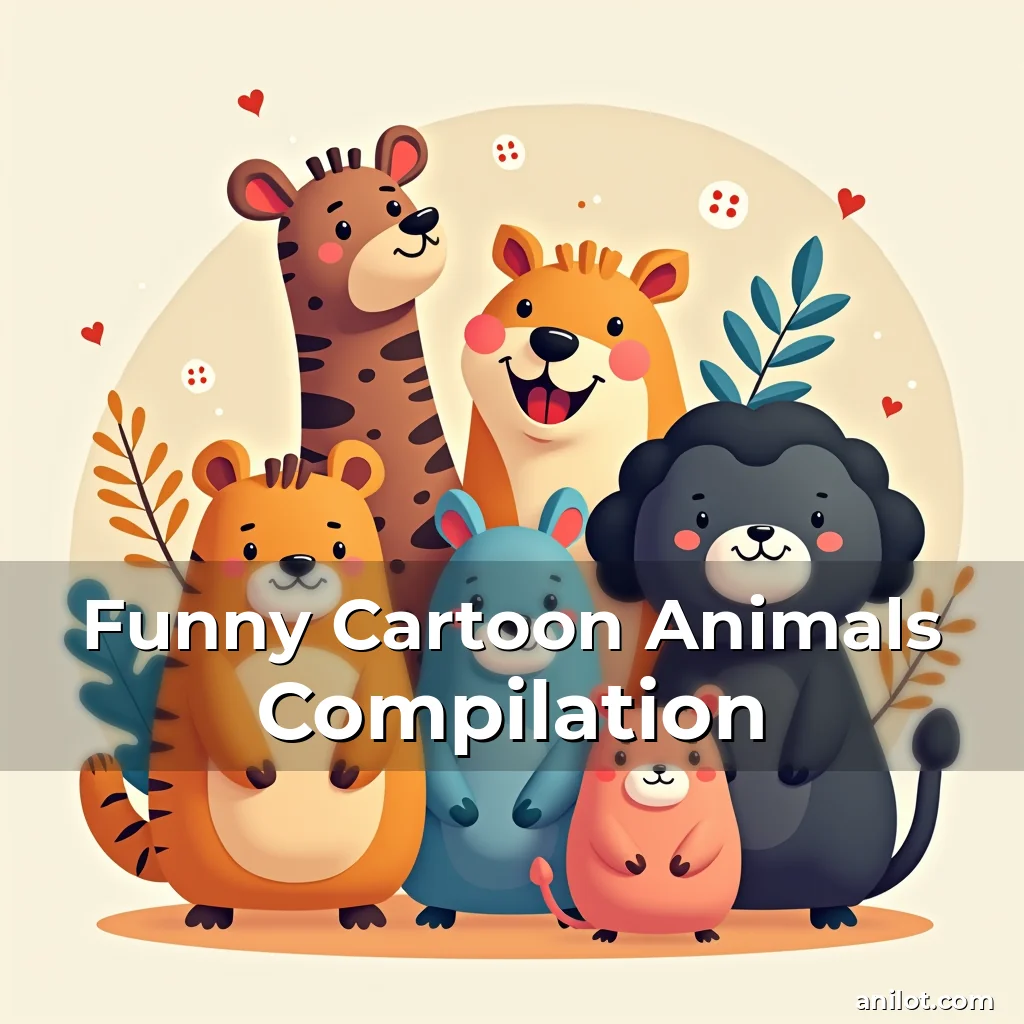
Funny Cartoon Animals Compilation
In today’s digital landscape, cartoon animals have emerged as a vibrant cultural phenomenon, capturing hearts across generations. From classic animated series to modern internet memes, these whimsical characters bring joy through their exaggerated features and playful antics.
Their enduring appeal lies in their ability to simplify complex emotions and ideas while maintaining universal charm that resonates globally. Whether depicted as mischievous pets, anthropomorphic heroes, or lovable villains, cartoon animals continue to dominate entertainment media worldwide.
The Evolution of Cartoons Featuring Animals
Capturing imagination since the early days of animation, cartoon animals trace back to the first decades of the twentieth century when pioneers experimented with bringing non-human creatures to life on screen.
Pioneers such as Walt Disney created iconic animal characters that became cultural touchstones. These creations laid foundational elements still evident in contemporary animated productions today.
Technological advancements over time have transformed how artists depict animals in cartoons, allowing for greater realism without losing the inherent humor associated with stylized portrayals.
Despite evolving styles, core characteristics remain consistent – expressive eyes conveying emotion, oversized limbs emphasizing movement, and simplified forms making them instantly recognizable.
Modern iterations often blend traditional hand-drawn techniques with computer-generated imagery to create visually stunning representations that maintain emotional authenticity.
Popular Types of Cartoon Animal Characters
A wide variety of animal types populate the world of cartoons, each contributing uniquely to storytelling through their natural behaviors and traits.
Dogs are frequently portrayed as loyal companions whose energetic nature makes them perfect sidekicks for protagonists seeking adventure or protection from antagonists.
Cats typically embody independence yet possess surprising vulnerability, creating relatable personalities that attract diverse audiences.
Bears often serve dual roles depending on context – gentle giants who protect others or fierce predators determined to defend territory against intruders.
- Rabbits: Known for their speed and agility, they often appear as clever tricksters navigating dangerous situations using wit rather than strength.
- Squirrels: Typically depicted as industrious workers storing food for winter, showcasing meticulous organization skills despite small size limitations.
These archetypes help establish immediate character dynamics within narratives, guiding audience expectations based on familiar associations with real-world counterparts.
Owls commonly represent wisdom due to their actual nocturnal habits combined with mythic symbolism surrounding their appearance.
Birds offer versatile options ranging from comic relief through slapstick comedy routines to heroic figures capable of flight-based rescues during crises.
Horses usually symbolize freedom or power but can also be shown as stubborn individuals resisting authority figures’ commands.
The Psychological Appeal of Cartoon Animals
Psychologists suggest that cartoon animals tap into deep-seated human tendencies toward anthropomorphism by projecting our own thoughts onto simple shapes and movements.
This projection creates empathy connections where viewers see themselves reflected in non-human entities experiencing similar challenges and triumphs.
Children particularly benefit from this aspect as it helps develop social awareness through observing interactions between different species represented in stories.
Studies show exposure to friendly cartoon animals improves mood and reduces anxiety levels among both children and adults alike.
Additionally, these characters provide safe spaces for exploring difficult topics like loss, change, or conflict without direct confrontation.
Art therapists utilize cartoon animal imagery in creative exercises aimed at helping clients express feelings they might otherwise find hard to articulate verbally.
The simplicity of design allows for easy modification to reflect various cultural backgrounds or personal experiences effectively.
Cultural Significance Across Regions
Certain cartoon animal characters gain special meaning beyond mere entertainment value within particular cultures or communities.
For instance, Japanese anime frequently incorporates foxes symbolizing intelligence and mystery tied closely to folklore traditions involving kitsune spirits.
Meanwhile Scandinavian countries celebrate reindeer prominently during festive seasons, transforming them into symbols of celebration and renewal specifically around Christmas time.
In African storytelling traditions, hyenas appear regularly as clever troublemakers challenging established norms through subversive behavior patterns.
These regional variations demonstrate how local customs influence interpretations of even common animal species seen universally elsewhere.
The global spread of streaming services has facilitated cross-cultural exchanges where people discover unfamiliar meanings attached to well-known creatures previously viewed only through Western lenses.
This increased accessibility encourages appreciation for diversity while highlighting shared humanity through mutual enjoyment of imaginative depictions regardless of origin location.
Educational Value Through Cartoon Animals
Cartoon animals play crucial educational roles in teaching young learners fundamental concepts through entertaining formats that make comprehension easier.
Animated shows use anthropomorphic animals to explain scientific phenomena related to biology, ecosystems, or physical laws in ways easily understood by children.
Characters often model positive behaviors such as cooperation, sharing resources fairly, or resolving disputes peacefully through dialogue instead of violence.
Interactive games featuring cartoon animals reinforce learning objectives by requiring players to apply knowledge gained from previous episodes or segments.
School curriculums increasingly incorporate multimedia resources containing cartoon animals to enhance engagement and retention rates significantly compared to conventional textbooks alone.
Parents appreciate this approach because it maintains educational integrity while ensuring child-friendly content suitable for home environments.
Researchers note improved academic performance metrics among students exposed regularly to quality educational programming utilizing cartoon animal personas effectively.
Internet Memes & Viral Trends Involving Cartoon Animals
The rise of social media platforms has accelerated the proliferation of meme culture centered around beloved cartoon animal icons.
Classic characters undergo humorous reinterpretations where users overlay current events or pop-culture references onto original frames generating unexpected comedic effects.
Viral trends frequently feature animations modified slightly so that recognizable faces morph into famous celebrities through simple alterations in facial structure details.
GIFs containing snippets from popular cartoons become templates used repeatedly in online conversations reinforcing communal bonds formed through shared laughter experiences.
Such participatory culture demonstrates active consumption rather than passive viewing characteristic of traditional television watching habits now adapted digitally.
Creators derive inspiration from vintage cartoons repurposed creatively showing remarkable adaptability maintained despite technological advances enabling new modes expression.
Impact On Modern Animation Industry
The enduring popularity of cartoon animals continues shaping the direction taken by contemporary animation studios aiming to capture market share successfully.
Franchise expansions capitalize heavily on existing fanbases by developing spin-off products including merchandise lines featuring prominent animal characters prominently displayed.
Tv networks schedule prime-time slots strategically placing successful animal-themed programs alongside family-oriented sitcoms maximizing potential viewership demographics.
Movies produce sequels leveraging nostalgia factor generated through long-standing franchises built upon memorable animal characters having stood test time.
Streaming services invest substantially in exclusive content promising continued relevance through fresh takes reimagining older properties while honoring original spirit intact.
Industry analysts predict sustained growth trajectories assuming continued innovation matching rising consumer demands for quality content combining entertainment with meaningful messages subtly woven throughout narratives.
New technologies allow interactive possibilities enhancing viewer participation beyond passive observation offering personalized adventures tailored individual preferences dynamically adjusting accordingly.
Conclusion
The journey of cartoon animals reflects broader societal changes mirrored faithfully in evolving artistic expressions celebrating creativity across mediums continually expanding horizons defined possibility.
As we embrace future innovations poised to redefine what constitutes great animation, let us remember that at heart remains timeless connection forged between humans and those fantastical friends inhabiting imaginary worlds filled wonder awaiting discovery anew every day.

news is a contributor at AniLot.com. We are committed to providing well-researched, accurate, and valuable content to our readers.
You May Also Like



About the Author
Related Articles
Cartoon Animals Voice Acting
tag, your response is invalid. The Art of Cartoon Animal Voice Acting: Crafting Believable Characters…
Animating Life: Exploring the World of Animated Animals Through Art, Technology, and Culture
Animating Life: Exploring the World of Animated Animals Through Art, Technology, and Culture The world…
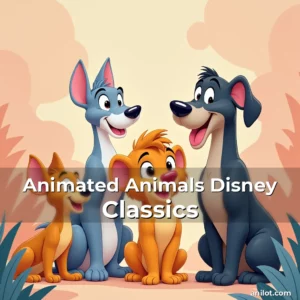
Animated Animals Disney Classics
The Enchanting World of Animated Animals in Cinema History In the ever-evolving landscape of animation,…