
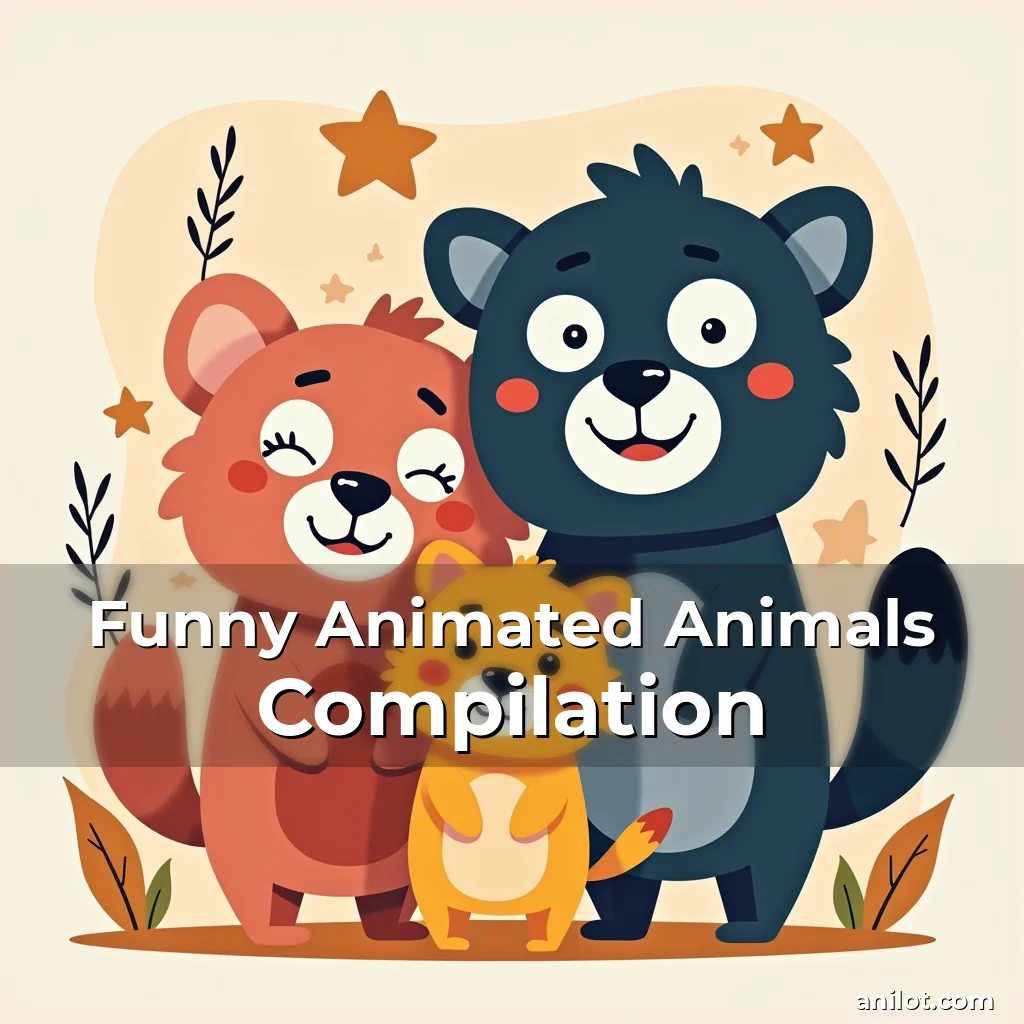
Funny Animated Animals Compilation
The world of animated animals has long captivated audiences with its charm, creativity, and ability to bridge human emotion with nature’s wonders. From classic cartoon characters to cutting-edge digital creations, these animations bring life to creatures we know and love while pushing artistic boundaries.
This compilation delves into the vibrant universe of animated animals, exploring everything from early hand-drawn sketches to modern CGI masterpieces. Whether you’re a member of the Anilot community or simply fascinated by this niche, prepare to discover how animated animals continue to inspire joy, innovation, and storytelling across cultures and platforms.
The Evolution of Animal Animation: A Historical Perspective
Animated animals trace their roots back to the earliest days of animation, when pioneers like Walt Disney and Studio Ghibli transformed simple drawings into beloved icons. These foundational works set the stage for decades of experimentation with movement, expression, and narrative.
The transition from hand-drawn celluloid to computer-generated imagery marked a pivotal shift in animal animation. Studios like Pixar and DreamWorks revolutionized the industry, creating lifelike simulations of creatures ranging from talking sloths to anthropomorphic dragons.
- Early Innovations: In the 1920s–1940s, animators relied on stop-motion and cel animation to depict animals realistically, often using limited frames due to technological constraints.
- Digital Revolution: By the late 1990s, software like Maya and Blender enabled fluid motion capture, allowing animals to interact dynamically with environments and other characters.
Cultural Significance of Animated Animals Across Media
Animated animals serve as cultural ambassadors, reflecting societal values and traditions through their stories and designs. They appear in films, television series, video games, and even social media memes, adapting to various formats while retaining universal appeal.
In many cultures, certain animals symbolize traits such as courage, wisdom, or playfulness. For example, Winnie-the-Pooh embodies innocence, while Shrek’s ogre-like dragon challenges stereotypes about fear and power.
The Role of Anthropomorphism in Storytelling
Anthropomorphism—the attribution of human characteristics to non-human entities—is central to most animated animal narratives. This technique allows audiences to relate to characters on emotional levels, fostering empathy and connection.
Studies suggest that anthropomorphic animated animals enhance viewer engagement, particularly among children. Research published in *Journal of Communication* found that kids retain moral lessons better when taught by relatable animal heroes rather than human protagonists.
Techniques Behind Bringing Animated Animals to Life
Future Prospects: Where Are We Headed?
Advancements in artificial intelligence promise to transform animated animal production further. Machine-learning algorithms may soon automate tedious aspects of animation, freeing artists to focus on innovative storytelling techniques.
Virtual reality headsets could provide immersive encounters with fully realized animated animal worlds, blurring lines between fiction and reality. Imagine exploring a rainforest populated by talking tigers or conversing with holographic dolphins in deep-sea adventures.
Sustainable Practices in Animation Production
The environmental impact of animation studios has sparked discussions about eco-friendly practices. Some companies pledge carbon neutrality by offsetting emissions generated during rendering processes or transitioning entirely to cloud-based workflows reducing physical energy consumption.
Collaborations with wildlife organizations aim to raise funds for habitat preservation efforts by incorporating endangered species into promotional campaigns. These initiatives align corporate goals with broader conservation missions, benefiting both industries and ecosystems alike.
Conclusion
Animated animals remain a cornerstone of visual culture, continuously evolving yet always grounded in our fascination with nature’s beauty and complexity. Their journey—from flickering film reels to interactive VR realms—reflects humanity’s enduring desire to connect meaningfully with the living world around us.
Whether you’re crafting your first project as part of the Anilot community or simply enjoying existing works, remember that every frame tells a story worth sharing. Embrace the magic of animated animals, and who knows? You might just spark the next great cinematic adventure!

news is a contributor at AniLot.com. We are committed to providing well-researched, accurate, and valuable content to our readers.
You May Also Like
About the Author
Related Articles
Popular Cartoon Animals Characters
The Whimsical World of Cartoon Animal Icons: A Celebration of Furry Friends in Animation In…
Animating Life: Exploring the World of Animated Animals Through Art, Technology, and Culture
Animating Life: Exploring the World of Animated Animals Through Art, Technology, and Culture The world…
Animated Series Netflix Originals
The Rise of Animated Series: A Cultural Phenomenon Redefining Entertainment In recent years, animated series…