
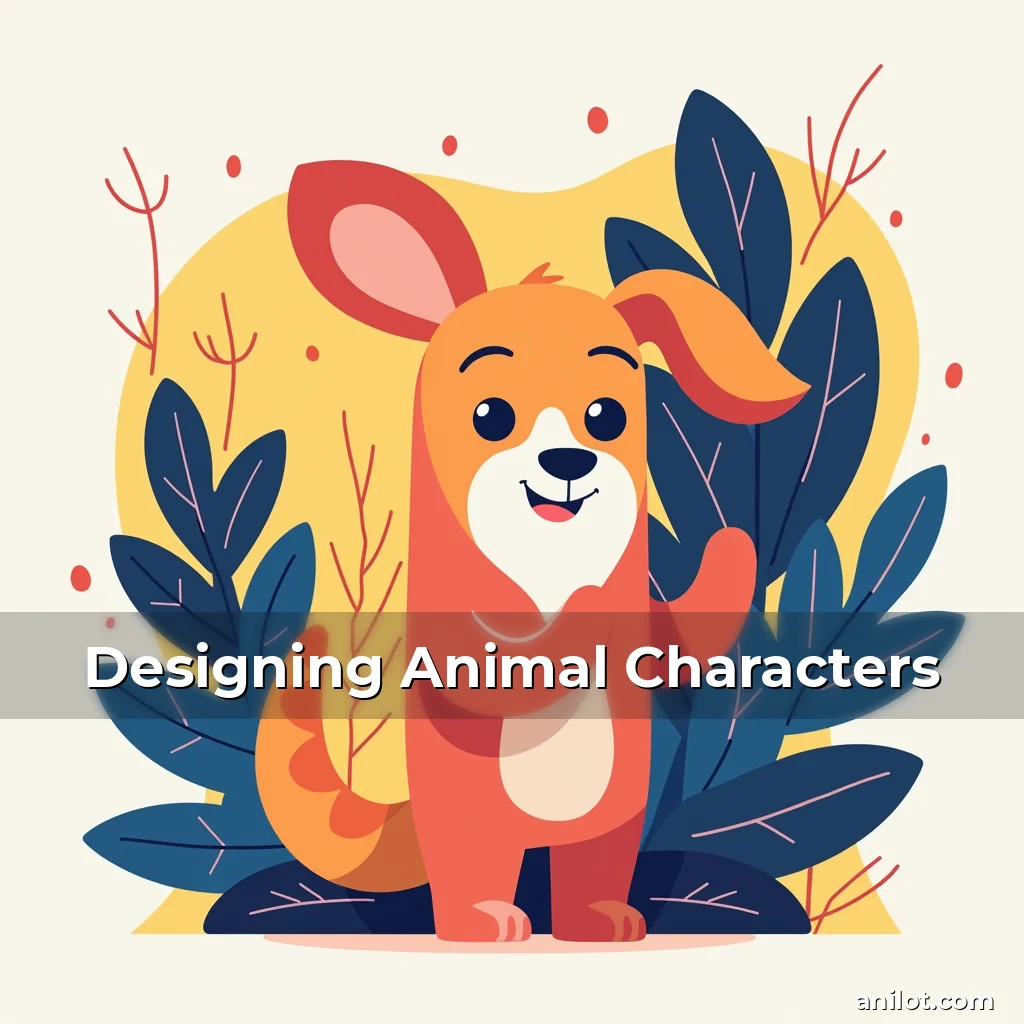
The Artistry Behind Crafting Memorable Animal Character Design
The world of animal character design pulses with creativity and storytelling potential, offering designers an expansive canvas to blend biology with imagination. From beloved cartoon mascots to intricate mythical creatures, animal characters serve as cultural touchstones, emotional anchors, and narrative vehicles within media across generations.
While some creators draw inspiration from nature’s raw beauty, others reimagine fauna through fantastical lenses, crafting hybrid beings that challenge our understanding of evolution itself. This duality—between scientific accuracy and artistic license—defines how we perceive these creatures, shaping their roles in films, games, comics, and even branding campaigns today.
Fundamental Principles of Animal Character Design
Maintaining visual coherence forms the backbone of any successful animal character creation process. A well-designed creature must balance anatomical plausibility with stylistic choices that reflect its intended purpose whether as a protagonist, antagonist, or symbolic figure within a narrative framework.
Consider a lion transformed into a regal guardian spirit; while retaining key feline features such as muscular frame and mane-like fur patterns, its expression would be stylized to convey wisdom rather than mere predatory instincts. This thoughtful integration ensures instant recognition by audiences while allowing room for creative interpretation.
Proportion adjustment plays a crucial role too – exaggerating certain traits can heighten expressiveness without compromising fundamental recognizability. An oversized head paired with elongated limbs might
—
## Final HTML Code (Full Document)
“`html
The Artistry Behind Crafting Memorable Animal Character Design
The world of animal character design pulses with creativity and storytelling potential, offering designers an expansive canvas to blend biology with imagination. From beloved cartoon mascots to intricate mythical creatures, animal characters serve as cultural touchstones, emotional anchors, and narrative vehicles within media across generations.
While some creators draw inspiration from nature’s raw beauty, others reimagine fauna through fantastical lenses, crafting hybrid beings that challenge our understanding of evolution itself. This duality—between scientific accuracy and artistic license—defines how we perceive these creatures, shaping their roles in films, games, comics, and even branding campaigns today.
Fundamental Principles of Animal Character Design
Maintaining visual coherence forms the backbone of any successful animal character creation process. A well-designed creature must balance anatomical plausibility with stylistic choices that reflect its intended purpose—whether as a protagonist, antagonist, or symbolic figure within a narrative framework.
Consider a lion transformed into a regal guardian spirit; while retaining key feline features such as muscular frame and mane-like fur patterns, its expression would be stylized to convey wisdom rather than mere predatory instincts. This thoughtful integration ensures instant recognition by audiences while allowing room for creative interpretation.
Proportion adjustment plays a crucial role too—an oversized head paired with elongated limbs might create comedic effect or emphasize intelligence depending on context. However, extremes risk alienating viewers who rely on recognizable shapes to identify species quickly.
- Anatomical integrity: Retain essential body structures (e.g., skeletal systems) even when applying fantasy elements
- Emotional resonance: Facial expressions should mirror behavioral cues consistent with species’ natural behavior patterns
- Spatial dynamics: Body language must align with environmental interactions appropriate for each creature’s habitat
Color theory becomes another critical consideration where pigmentation choices influence audience perception significantly. Bright hues often associate with positivity or vibrancy whereas muted tones may suggest stealthiness or age-worn dignity.
Detailed texture application adds depth to designs, differentiating surface characteristics based on ecological adaptations—rough scales for desert dwellers versus sleek fur for forest inhabitants. These subtleties enhance believability while maintaining aesthetic appeal.
Cultural Significance & Symbolism Across Species
Beneath every striking design lies layers of cultural meaning derived from historical associations assigned to particular animals over centuries. The phoenix symbolizes rebirth in many Eastern traditions while griffins represent protection among ancient Mediterranean cultures.
Modern reinterpretations continue evolving these meanings through new narratives—consider how Studio Ghibli reimagined dragons not just as fearsome beasts but also complex entities capable of profound emotions and moral ambiguity. Such transformations allow contemporary storytellers to explore nuanced themes through familiar yet fresh perspectives.
A thorough analysis reveals recurring motifs across civilizations indicating universal human responses towards various creatures. Wolves frequently embody wildness or pack loyalty, eagles signify power and vision, serpents encapsulate both danger and renewal possibilities simultaneously.
The choice of animal influences not only thematic direction but also determines expected audience reactions before they’ve even seen the story unfold. Smart creators leverage this knowledge strategically during conceptualization stages.
Historical Evolution of Animal Character Representation
Animal depictions have evolved dramatically since prehistoric cave paintings showed rudimentary figures using basic strokes. As art progressed through Egyptian hieroglyphics featuring stylized creatures representing divine powers, then medieval bestiaries documenting mythical beasts believed real at the time, so did representation styles change.
In Renaissance periods, artists began incorporating accurate biological observations alongside religious symbolism, creating more lifelike interpretations. Walt Disney’s 1930s animators pioneered motion capture techniques which revolutionized how animated animals moved realistically on screen.
Technological advancements allowed CGI specialists to render hyper-realistic creatures indistinguishable from actual footage—witness James Cameron’s *Avatar* movie showcasing Na’vi physiology borrowing heavily from primate anatomy while remaining entirely fictional species.
This continuous refinement reflects growing appreciation for biological realism combined with imaginative storytelling needs, enabling designers to craft compelling characters bridging science fiction and fantasy genres seamlessly now.
Diverse Applications Beyond Traditional Media
Though traditionally associated with animation studios and comic book publishers, animal characters permeate virtually every aspect of modern culture—including educational tools, corporate branding initiatives, video game franchises, and political propaganda efforts globally.
Educational institutions employ anthropomorphic animals in children’s textbooks helping explain abstract concepts through relatable personalities—the classic example being Mr. Men books teaching letters via fun animal personas instead of cold alphabet drills alone.
Corporations invest millions annually developing mascot programs featuring lovable animal icons promoting products ranging from breakfast cereals to mobile phone carriers. These carefully crafted images become instantly recognizable symbols conveying brand values efficiently.
Video game developers utilize animal avatars extensively for both gameplay mechanics purposes and immersive experience enhancement, especially in open-world titles where players interact with AI-controlled wildlife populations organically integrated into environments.
Psychological Impact On Audiences Through Expressive Design
Experts agree that facial expressions play pivotal role determining viewer connection levels with animated animal protagonists. Studies show that viewers form stronger attachments when seeing clear emotional indicators mirrored onto otherwise non-human faces particularly if those signals resemble human expressions closely enough.
Researchers at MIT Media Lab discovered neural pathways activated when observing animal expressions overlap substantially with those triggered watching human counterparts, suggesting deep-seated empathetic connections exist regardless of species differences.
This psychological phenomenon explains why universally adored characters like Pikachu or Dory maintain global fanbases despite being clearly fantastical creatures lacking physical similarity to any real-life organisms present anywhere on Earth currently inhabited.
When designing expressive features for your animal character project consider focal points where most viewer attention naturally gravitates—eyes usually occupy top priority followed by mouth area for conveying mood effectively.
Tips For Creating Believable Hybrid Creatures
Combining attributes from multiple species demands careful consideration regarding which characteristics remain dominant vs. subordinate roles within final composition. Think about desired personality profile first before selecting compatible biological traits supporting said disposition logically.
If aiming for wise mentor archetype perhaps integrate owl’s silent flight abilities with bear’s sturdy build resulting in imposing yet peaceful appearance perfectly suited guiding younger characters through challenges safely.
Rearranging limb configurations according to function requirements might involve extending arms for greater reach capabilities or reducing digit numbers simplifying manual tasks execution efficiency-wise.
- Biomechanical logic: Ensure proposed modifications don’t contradict known principles governing movement physics relevant ecosystems
- Ecological relevance: Cross-species combinations should make evolutionary sense avoiding random feature amalgamation solely for shock value reasons
- Sensory adaptation: Consider sensory enhancements matching selected habitats e.g., night vision for nocturnal predators or enhanced hearing for woodland dwellers
Testing prototypes early helps identify inconsistencies before full development stage begins saving significant resources later down the line. Soliciting feedback from biologists whenever possible enhances authenticity level considerably increasing chances audiences will accept imaginary beings as believable entities.
Remember always ask yourself questions like “Would this creature realistically survive in designated environment?” or “How does this mix of traits affect overall functionality?” answering them truthfully leads toward more convincing creations ultimately.
Case Study: Iconic Animal Characters Throughout History
No discussion about animal character design would feel complete without examining legendary examples that defined entire eras of entertainment history, proving lasting impact beyond initial release dates. One standout case involves Looney Tunes franchise’s Wile E. Coyote whose persistent pursuit of Road Runner established enduring caricature representing frustration and determination.
Disney’s Simba from *Lion King* exemplifies perfect fusion between realistic African savanna big cat depiction and emotionally resonant coming-of-age journey showing how effective blending nature-inspired visuals with deeply human stories can produce timeless classics appreciated worldwide.
Pixar Animation Studios consistently delivers unforgettable performances through meticulously designed animal personas—remember Mater from *Cars* who brought humorous charm through exaggerated automotive features merged successfully with friendly dog-like demeanor?
These iconic figures demonstrate versatility achievable when combining technical precision with creative daring producing results that transcend purely visual aesthetics reaching into broader philosophical dimensions often unexplored by conventional approaches.
Emerging Trends In Contemporary Animal Character Creation
Current design trends favor more diverse representations challenging previous stereotypes associated with traditional animal archetypes. Previously limited portrayals are giving way to richer interpretations exploring lesser-known species revealing fascinating aspects previously overlooked by mainstream audiences.
Virtual reality experiences now enable users to interact directly with hyper-detailed digital versions of endangered animals fostering deeper conservation awareness compared to static illustrations ever could accomplish alone. This technological advancement bridges the gap between education and entertainment spheres effectively.
Artificial Intelligence algorithms assist designers generating thousands of alternative iterations rapidly, testing variations quickly finding optimal solutions meeting target objectives efficiently, saving considerable man-hours typically required manually adjusting each prototype individually—which would otherwise take months to complete separately.
As ethical considerations grow increasingly prominent in discourse surrounding responsible use of living creatures for commercial purposes, the rise of bio-mechanical alternatives constructed entirely synthetically replicating behaviors digitally instead of relying on real animals performing tasks they were never meant to do naturally—or inherently problematic approach long-term sustainability perspective.
Conclusion

news is a contributor at AniLot.com. We are committed to providing well-researched, accurate, and valuable content to our readers.
You May Also Like
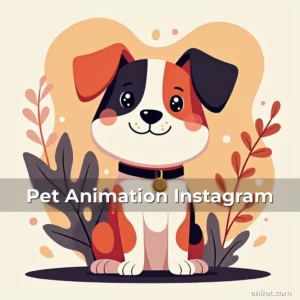
About the Author
Related Articles
The Digital Jungle: How CGI Animals Are Redefining Wildlife Storytelling
The Digital Jungle: How CGI Animals Are Redefining Wildlife Storytelling In an era where technology…
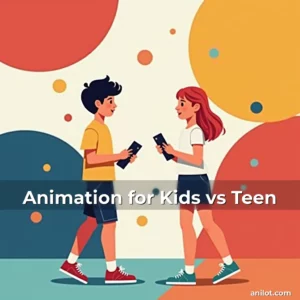
Animation for Kids vs Teen
The Magical World of Animation: Bridging Creativity Between Kids and Teens Animation has long been…
Animating Life: Exploring the World of Animated Animals Through Art, Technology, and Culture
Animating Life: Exploring the World of Animated Animals Through Art, Technology, and Culture The world…