


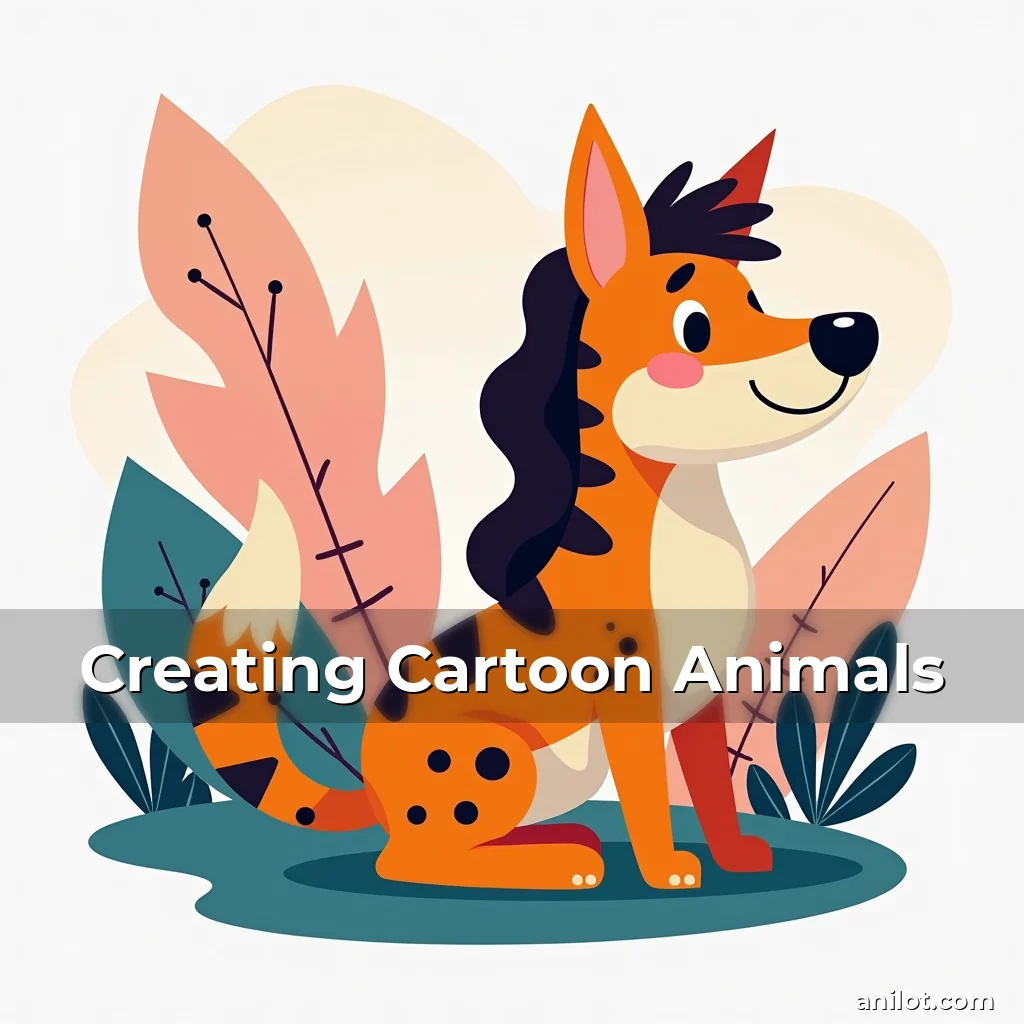
The Art of Crafting Believable Cartoon Animals
In the vibrant world of animation, cartoon animals have long held a special place as both entertainment and artistic expression. From the mischievous antics of Bugs Bunny to the gentle wisdom of Po from Kung Fu Panda, these characters captivate audiences across generations. Their appeal lies not only in their playful nature but also in the intricate design that brings them to life.
This exploration delves into the creative process behind designing cartoon animals, uncovering how artists transform real-world creatures into beloved icons. We’ll examine everything from foundational principles of animal anatomy to advanced techniques used by industry professionals today.
Fundamental Principles of Animal Anatomy
Understanding basic animal structure is crucial when creating convincing cartoon animals. While stylization is inevitable, maintaining anatomical accuracy provides a solid foundation for expressive designs. This principle applies equally to mammals, birds, reptiles, and even mythical beasts.
Anatomists often categorize animal forms based on skeletal structures rather than external appearances. For example, quadrupeds share similar spinal column patterns despite varying limb configurations. Recognizing these underlying frameworks helps animators create believable movements later in production.
Proportion considerations: Cartoons typically exaggerate certain features while simplifying others. A classic example is the oversized head relative to body size seen in many anthropomorphic characters. However, extreme proportions can compromise readability unless carefully balanced through visual weight distribution.
Muscle definition: Even highly stylized characters benefit from subtle muscle indications. These help convey emotion and action without needing complex shading. Think of how a character’s biceps might bulge during intense scenes or how relaxed muscles appear during calm moments.
Bone structure visualization: Artists often use reference materials showing internal skeletons to understand movement limitations. This knowledge prevents unrealistic poses that could confuse viewers or break immersion in storytelling sequences.
Mastering these fundamentals allows creators to maintain consistency across different species while still allowing room for imaginative reinterpretations. It creates a balance between biological plausibility and artistic freedom essential for compelling animated worlds.
Creative Stylistic Approaches
Once technical foundations are established, artists explore various stylistic interpretations to give each creature its own personality. This phase involves making deliberate choices about line work, color schemes, and overall aesthetic direction.
Different animation studios develop distinct house styles that influence how animals are portrayed. Pixar favors rounded, soft-edged characters with expressive eyes, while Studio Ghibli incorporates more naturalistic elements combined with whimsical touches. Understanding these tendencies helps aspiring animators find their voice within the medium.
Line quality plays a significant role in defining character traits:
- Straight lines suggest rigidity and formality, commonly found in corporate mascots or authoritative figures
- Curved lines imply playfulness and approachability, typical of children’s programming characters
- Varying line thickness adds depth perception, helping differentiate foreground and background elements
Color theory becomes particularly important when translating real animal palettes into cartoon versions. Natural hues provide authenticity, but strategic deviations allow for emotional resonance. Consider how a blue-tinted cat might evoke feelings of calmness versus a fiery orange feline suggesting energy and excitement.
Texture application follows similar logic – fur patterns can be simplified into repeating shapes rather than individual hairs. This technique maintains recognition while reducing rendering complexity, especially in traditional hand-drawn formats where time efficiency matters greatly.
These stylistic decisions collectively shape audience perceptions, influencing which characters become cultural touchstones over time. They represent the delicate dance between artistic innovation and viewer expectations.
Designing Expressive Facial Features
A face is often the most recognizable part of any animal, making facial expressions critical for conveying emotions effectively. Cartoon animals frequently rely on exaggerated features to communicate moods quickly and clearly.
Eyes receive particular attention since they’re primary indicators of sentiment. Large, round pupils can express surprise or curiosity, while narrow slits may indicate anger or alertness. Strategic placement of eye highlights enhances three-dimensionality and engagement levels.
Lip shapes and mouth positions: Although many cartoon animals lack human lips, their mouths serve similar functions through shape variations. An upward curve suggests happiness, whereas downward orientation signals sadness or fear. These simple changes dramatically affect interpretative possibilities.
Eyebrow manipulation: When present, eyebrows add nuance to expressions. Raised brows signal confusion or shock; lowered ones might denote determination or suspicion. In some cases, designers omit eyebrows entirely to simplify animations or emphasize other facial characteristics.
Ear positioning: Ears act as secondary expression tools, especially in species like rabbits or foxes. Erect ears can show attentiveness, while flattened ears might indicate submission or distress. Their motion contributes significantly to dynamic scenes involving interactions between characters.
Combining these elements thoughtfully enables storytellers to craft rich narratives solely through non-verbal cues. Effective expression systems make characters instantly relatable regardless of language barriers.
Developing Unique Character Personalities
Behind every successful cartoon animal lies a well-defined personality profile that guides behavioral choices and interaction dynamics. This psychological framework ensures consistent character development throughout story arcs.
Prioritizing core attributes: Animators identify key traits such as intelligence level, social behavior, and physical capabilities early in the design process. These factors determine how characters respond to situations and relate to others within their fictional environments.
Typecasting conventions: Certain species naturally align with specific archetypes due to inherent behaviors observed in real-life counterparts. Bears might embody strength and protectiveness, while squirrels could symbolize agility and resourcefulness. However, these associations aren’t set in stone and can be creatively subverted for dramatic effect.
Contrasting personalities: Successful ensembles often feature complementary contrasts. Pairing a hyperactive rabbit with a laid-back sloth introduces comedic tension while showcasing diverse approaches to problem-solving. Such combinations enrich narrative possibilities and keep audiences engaged.
Evolution over time: Characters shouldn’t remain static; growth trajectories add depth to their journeys. A timid hedgehog might gradually gain confidence through experiences, reflecting personal transformation themes common in coming-of-age stories.
By establishing clear personality blueprints, creators ensure continuity and coherence in character portrayals, enabling meaningful connections with audiences who come to care deeply about these animated companions.
Technological Advancements in Animation
The evolution of digital technology has revolutionized cartoon animal creation, offering new tools and methods previously unimaginable. Traditional hand-drawing remains relevant, but modern software solutions enable unprecedented precision and creativity.
3D modeling software: Programs like Maya and Blender allow artists to construct fully realized three-dimensional models complete with skin textures, hair follicles, and musculature details. These virtual representations can then be manipulated for realistic motion capture sessions or manual keyframing processes.
Simulation technologies: Advanced physics engines simulate natural phenomena affecting living organisms – from water resistance impacting aquatic creatures’ movements to wind currents influencing aerial fauna navigation paths. These simulations enhance believability without requiring extensive manual adjustments.
AI-assisted design: Machine learning algorithms now assist in generating initial concept sketches based on input parameters such as species type, desired demeanor, and environmental context. This accelerates pre-production phases while preserving creative control for human supervisors.
Virtual reality integration: Immersive VR platforms let animators test character designs in simulated environments before finalizing production assets. This interactive preview capability reduces costly revisions later in development cycles.
While technological progress continues advancing the field, fundamental artistic skills remain indispensable. Digital tools amplify human ingenuity rather than replace it, ensuring the enduring magic of animated worlds endures for future generations.
Storytelling Through Animated Creatures
Cartoon animals serve as powerful narrative vessels, capable of conveying complex themes through allegory and metaphor. Their universal appeal makes them ideal vehicles for exploring philosophical questions in accessible ways.
Cultural symbolism: Many societies attribute specific meanings to different animals, providing rich source material for thematic exploration. Wolves often represent loyalty and pack mentality, while owls traditionally signify wisdom and foresight. These associations can be reinterpreted creatively depending on contextual needs.
Character-driven plots: Strongly developed animal protagonists drive compelling storylines by facing challenges that mirror human struggles. Whether overcoming adversity, discovering identity, or navigating relationships, these journeys resonate emotionally with diverse age groups.
Ecological messages: Environmental conservation themes frequently emerge through animal-centric narratives. Stories highlighting habitat destruction or endangered species raise awareness while entertaining audiences, promoting stewardship attitudes organically.
Humor and satire: Anthropomorphized animals excel at delivering humorous commentary on societal issues. Political cartoons featuring talking animals critique governance structures without direct confrontation, using caricatured traits for comedic effect.
Through thoughtful storytelling, cartoon animals transcend mere entertainment to become conduits for education, reflection, and inspiration, proving their value extends far beyond simple amusement.
The Business Side of Cartoon Animal Creation
Behind every beloved cartoon animal lies a complex ecosystem of financial planning, market research, and brand management strategies. Success depends not only on artistic merit but also on business acumen applied strategically throughout production pipelines.
Funding models: Major studios employ varied revenue streams including theatrical releases, television syndication deals, merchandise licensing agreements, and streaming platform partnerships. Independent creators often pursue crowdfunding campaigns or seek investor backing for ambitious projects.
Target demographics: Market analysis determines appropriate tone, humor style, and educational content levels tailored specifically for intended audiences. Preschoolers require simpler narratives with bright colors, while older teens expect more sophisticated plot structures and nuanced dialogue.
Merchandising potential: Iconic characters generate substantial profits through toy sales, clothing lines, and themed attractions. Design elements must therefore consider scalability – patterns need to translate well onto small plush toys as well as massive theme park statues.
Franchise longevity: Sustaining popularity requires careful balancing of nostalgia appeals against fresh innovations. Reboots risk alienating original fans if changes feel excessive, yet stagnation leads to declining relevance over time.
Navigating these commercial aspects demands constant adaptation to shifting consumer preferences while staying true to creative visions. The best cartoon animals achieve harmony between artistic integrity and economic viability.
Education and Community Building Around Cartoon Animals
The growing interest in cartoon animals has fostered vibrant communities dedicated to sharing knowledge, celebrating artistry, and supporting emerging talents. Educational initiatives play a vital role in nurturing future generations of animators and enthusiasts alike.
Workshops and mentorship programs: Institutions offer specialized courses covering traditional drawing techniques alongside digital animation workflows. Experienced professionals often conduct live demonstrations explaining step-by-step processes involved in creating memorable characters.
Online collaboration spaces: Social media platforms host global networks where artists exchange ideas, critique portfolios, and collaborate on joint projects. These virtual communities democratize access to expertise that was once limited to elite training facilities.
Youth engagement: Schools incorporate cartoon animal design into curricula to teach STEM subjects through creative outlets. Students learn geometry via perspective drawing exercises or biology lessons through studying animal physiology for accurate depictions.
Conservation advocacy: Some organizations leverage popular cartoon animal imagery to promote wildlife protection efforts. Limited edition prints featuring endangered species raise funds for preservation programs while raising public awareness simultaneously.
These collaborative ecosystems ensure continuous innovation in the field, passing down knowledge while encouraging experimentation with new artistic frontiers. The shared passion for cartoon animals unites people worldwide in celebrating this unique intersection of art and imagination.
Conclusion
The journey of crafting cartoon animals encompasses a wide spectrum of disciplines ranging from scientific understanding to creative expression. By mastering foundational principles while embracing innovative techniques, artists continue pushing boundaries in animated storytelling.
Whether through traditional hand-drawn methods or cutting-edge digital technologies, the essence of great cartoon animal design lies in capturing both the spirit of the creature and the message it conveys. As we’ve explored, success hinges on blending artistic vision with practical execution across all stages of production.


news is a contributor at AniLot.com. We are committed to providing well-researched, accurate, and valuable content to our readers.
You May Also Like

The Endearing World of Cartoon Animals: A Journey Through Whimsy and Imagination
The Endearing World of Cartoon Animals: A Journey Through Whimsy and Imagination In the vibrant tapestry of animation, cartoon animals...
Action Animal Animation Films
The Enchanting World of Action-Packed Animal Animation Films In recent years, the realm of animal animation has evolved from simple...
Binge-Worthy Animated Series
Binge-Worthy Animated Series That Redefine Storytelling In recent years, animated series have evolved far beyond childhood entertainment, becoming powerful storytelling...
Age-Appropriate Animation for Kids
Age-Appropriate Animation for Kids The world of animation has evolved dramatically over the years, becoming a powerful tool for both...