


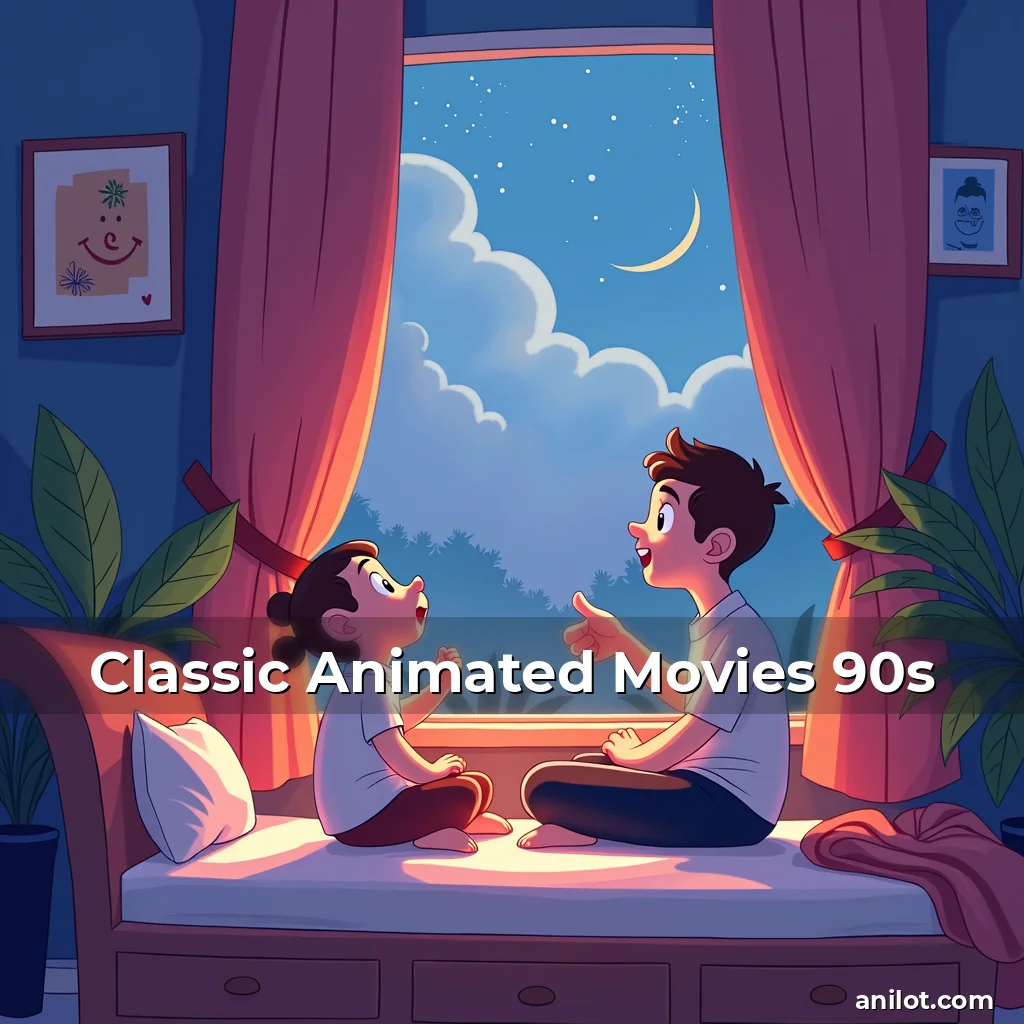
The Enchanting World of Classic Animated Movies from the 1990s
The 1990s marked a golden era in animation history, with studios like Disney and Pixar leading the charge in creating unforgettable animated films that continue to captivate audiences today.
This decade saw the rise of groundbreaking storytelling techniques, innovative character designs, and technological advancements that redefined what was possible in animation.
Redefining Animation Storytelling
The 1990s revolutionized how stories were told through animation by blending heartwarming narratives with complex themes that resonated with both children and adults alike.
Films like Pocahontas explored historical events with sensitivity while also emphasizing environmental messages, setting a new standard for thematic depth in animated cinema.
Animated classics such as Beauty and the Beast successfully integrated live-action elements with traditional hand-drawn animation, pushing creative boundaries and proving animation could rival live action in terms of visual storytelling.
- The use of musical numbers became a powerful narrative device, enhancing emotional impact and character development as seen in Song of the Sea.
- Comedy and drama blended seamlessly in films like Tarzan, showcasing the versatility of animated film to handle diverse genres effectively.
Innovative Character Design and Development
The 1990s introduced some of the most memorable characters in animation history, each uniquely crafted to reflect cultural diversity and individuality.
Movies like Hercules showcased dynamic hero archetypes who evolved throughout their journeys, making them relatable figures for young viewers.
Jungle Book offered a rich tapestry of animal characters whose personalities mirrored human traits, demonstrating remarkable attention to behavioral nuances even among non-human beings.
Disney’s Aladdin created Genie—a mischievous yet lovable character—who challenged traditional fairy tale tropes by expressing deep yearning beyond simple wishes.
The design philosophy behind these characters emphasized expressive features that allowed for greater range in conveying emotions without relying solely on dialogue.
Technological Advancements in Animation Production
Growing up in the late ’80s/early ’90s meant witnessing animation transition from purely hand-drawn methods towards digital enhancements that would define future production standards.
Studio teams began experimenting with computer-generated imagery (CGI) alongside traditional cell animation, resulting in hybrid styles that expanded artistic possibilities dramatically.
The integration of CAD software helped animators achieve previously unimaginable levels of precision when designing backgrounds and props.
Digital ink-and-paint systems replaced manual processes significantly reducing production times while maintaining high-quality visuals.
Cinematic innovations like the multiplanar camera technique enhanced scene depth perception without requiring physical models or sets.
Global Cultural Impact of 1990s Animations
The global appeal of 1990s animated films transcended borders due to universal themes wrapped within culturally rich settings.
Movies like Pocahontas brought indigenous cultures into mainstream consciousness while promoting cross-cultural understanding through its portrayal of early American history.
The Japanese influence evident in A Bug’s Life‘s meticulous attention to nature reflected international collaboration shaping modern animation aesthetics.
French contributions to music composition played crucial roles in defining atmospheres across various films; Michel Legrand’s work on Bambi remains iconic despite being released earlier than our focus period.
International distribution strategies ensured these films reached wider audiences worldwide, laying foundations for today’s globally connected entertainment industry.
Economic Significance of 1990s Animated Films
Animated productions during this decade generated substantial revenue streams, contributing significantly to studio profits through box office success and home video sales.
Franchise expansion led to merchandise licensing deals worth millions annually, creating long-term financial benefits for involved companies.
Theme park attractions based on popular animated properties further boosted overall profitability by offering immersive experiences tied directly back to theatrical releases.
Television adaptations kept franchises alive between movie sequels or prequels, ensuring continuous engagement with fan bases around the globe.
These economic factors made animated filmmaking not just an art form but also a strategic business investment with measurable returns over time.
Educational Value Through Animated Entertainment
Many classic animations incorporated educational aspects subtly woven into entertaining plots, teaching moral lessons without feeling preachy.
Stories often highlighted values such as friendship (Toy Story), perseverance (Hercules), or self-discovery (Spirited Away) through compelling character arcs.
Environmental themes found expression in Pocahontas where ecological responsibility becomes central to plot progression rather than mere background decoration.
Cultural education occurred organically via settings and references included within narratives—Mulan offers insight into Chinese traditions while remaining accessible internationally.
Such approaches make learning enjoyable by embedding knowledge naturally inside engaging storylines instead of using didactic instruction alone.
Lasting Legacy and Influence Today
Today’s top-tier animation continues building upon successes established by 1990s films both technically and narratively.
Modern cinematic techniques owe much to pioneering works from this era which laid groundwork for subsequent generations of creators to follow suit safely.
Characters designed in those days remain beloved icons recognized instantly across different age groups regardless of current trends shifting continuously.
Educational institutions still reference these films as case studies illustrating key principles related to storytelling effectiveness combined with technical execution excellence.
Prominent filmmakers cite 1990s classics regularly when discussing influences shaping personal creative philosophies regarding film direction generally speaking.
Conclusion
The 1990s stand out as pivotal years for animation where innovation met imagination producing timeless masterpieces appreciated universally now more than ever before.
Whether you’re revisiting favorites from your childhood or discovering them anew thanks to streaming services, these films offer something special connecting past creativity with present enjoyment effortlessly.
“`html
The Enchanting World of Classic Animated Movies from the 1990s
The 1990s marked a golden era in animation history, with studios like Disney and Pixar leading the charge in creating unforgettable animated films that continue to captivate audiences today.
This decade saw the rise of groundbreaking storytelling techniques, innovative character designs, and technological advancements that redefined what was possible in animation.
Redefining Animation Storytelling
The 1990s revolutionized how stories were told through animation by blending heartwarming narratives with complex themes that resonated with both children and adults alike.
Films like Pocahontas explored historical events with sensitivity while also emphasizing environmental messages, setting a new standard for thematic depth in animated cinema.
Animated classics such as Beauty and the Beast successfully integrated live-action elements with traditional hand-drawn animation, pushing creative boundaries and proving animation could rival live action in terms of visual storytelling.
- The use of musical numbers became a powerful narrative device, enhancing emotional impact and character development as seen in Song of the Sea.
- Comedy and drama blended seamlessly in films like Tarzan, showcasing the versatility of animated film to handle diverse genres effectively.
Innovative Character Design and Development
The 1990s introduced some of the most memorable characters in animation history, each uniquely crafted to reflect cultural diversity and individuality.
Movies like Hercules showcased dynamic hero archetypes who evolved throughout their journeys, making them relatable figures for young viewers.
Jungle Book offered a rich tapestry of animal characters whose personalities mirrored human traits, demonstrating remarkable attention to behavioral nuances even among non-human beings.
Disney’s Aladdin created Genie—a mischievous yet lovable character—who challenged traditional fairy tale tropes by expressing deep yearning beyond simple wishes.
The design philosophy behind these characters emphasized expressive features that allowed for greater range in conveying emotions without relying solely on dialogue.
Technological Advancements in Animation Production
Growing up in the late ’80s/early ’90s meant witnessing animation transition from purely hand-drawn methods towards digital enhancements that would define future production standards.
Studio teams began experimenting with computer-generated imagery (CGI) alongside traditional cell animation, resulting in hybrid styles that expanded artistic possibilities dramatically.
The integration of CAD software helped animators achieve previously unimaginable levels of precision when designing backgrounds and props.
Digital ink-and-paint systems replaced manual processes significantly reducing production times while maintaining high-quality visuals.
Cinematic innovations like the multiplanar camera technique enhanced scene depth perception without requiring physical models or sets.
Global Cultural Impact of 1990s Animations
The global appeal of 1990s animated films transcended borders due to universal themes wrapped within culturally rich settings.
Movies like Pocahontas brought indigenous cultures into mainstream consciousness while promoting cross-cultural understanding through its portrayal of early American history.
The Japanese influence evident in A Bug’s Life‘s meticulous attention to nature reflected international collaboration shaping modern animation aesthetics.
French contributions to music composition played crucial roles in defining atmospheres across various films; Michel Legrand’s work on Bambi remains iconic despite being released earlier than our focus period.
International distribution strategies ensured these films reached wider audiences worldwide, laying foundations for today’s globally connected entertainment industry.
Economic Significance of 1990s Animated Films
Animated productions during this decade generated substantial revenue streams, contributing significantly to studio profits through box office success and home video sales.
Franchise expansion led to merchandise licensing deals worth millions annually, creating long-term financial benefits for involved companies.
Theme park attractions based on popular animated properties further boosted overall profitability by offering immersive experiences tied directly back to theatrical releases.
Television adaptations kept franchises alive between movie sequels or prequels, ensuring continuous engagement with fan bases around the globe.
These economic factors made animated filmmaking not just an art form but also a strategic business investment with measurable returns over time.
Educational Value Through Animated Entertainment
Many classic animations incorporated educational aspects subtly woven into entertaining plots, teaching moral lessons without feeling preachy.
Stories often highlighted values such as friendship (Toy Story), perseverance (Hercules), or self-discovery (Spirited Away) through compelling character arcs.
Environmental themes found expression in Pocahontas where ecological responsibility becomes central to plot progression rather than mere background decoration.
Cultural education occurred organically via settings and references included within narratives—Mulan offers insight into Chinese traditions while remaining accessible internationally.
Such approaches make learning enjoyable by embedding knowledge naturally inside engaging storylines instead of using didactic instruction alone.
Lasting Legacy and Influence Today
Today’s top-tier animation continues building upon successes established by 1990s films both technically and narratively.
Modern cinematic techniques owe much to pioneering works from this era which laid groundwork for subsequent generations of creators to follow suit safely.
Characters designed in those days remain beloved icons recognized instantly across different age groups regardless of current trends shifting continuously.
Educational institutions still reference these films as case studies illustrating key principles related to storytelling effectiveness combined with technical execution excellence.
Prominent filmmakers cite 1990s classics regularly when discussing influences shaping personal creative philosophies regarding film direction generally speaking.
Conclusion
The 1990s stand out as pivotal years for animation where innovation met imagination producing timeless masterpieces appreciated universally now more than ever before.
Whether you’re revisiting favorites from your childhood or discovering them anew thanks to streaming services, these films offer something special connecting past creativity with present enjoyment effortlessly.
“`


news is a contributor at AniLot.com. We are committed to providing well-researched, accurate, and valuable content to our readers.
You May Also Like

Pet Animation Stories
The Enchanting World of Pet Animation: Bringing Our Furry Friends to Life In recent years, pet animation has emerged as...
Wildlife Animation National Geographic
Wildlife Animation National Geographic In recent years, wildlife animation has emerged as a powerful medium that bridges the gap between...
Animated Animals Disney Classics
The Enchanting World of Animated Animals in Cinema History In the ever-evolving landscape of animation, few elements have captured the...


The Artistry of Bringing Wildlife to Life Through 3D Animal Animation
The Artistry of Bringing Wildlife to Life Through 3D Animal Animation In the vibrant world of digital artistry, 3D animal...