
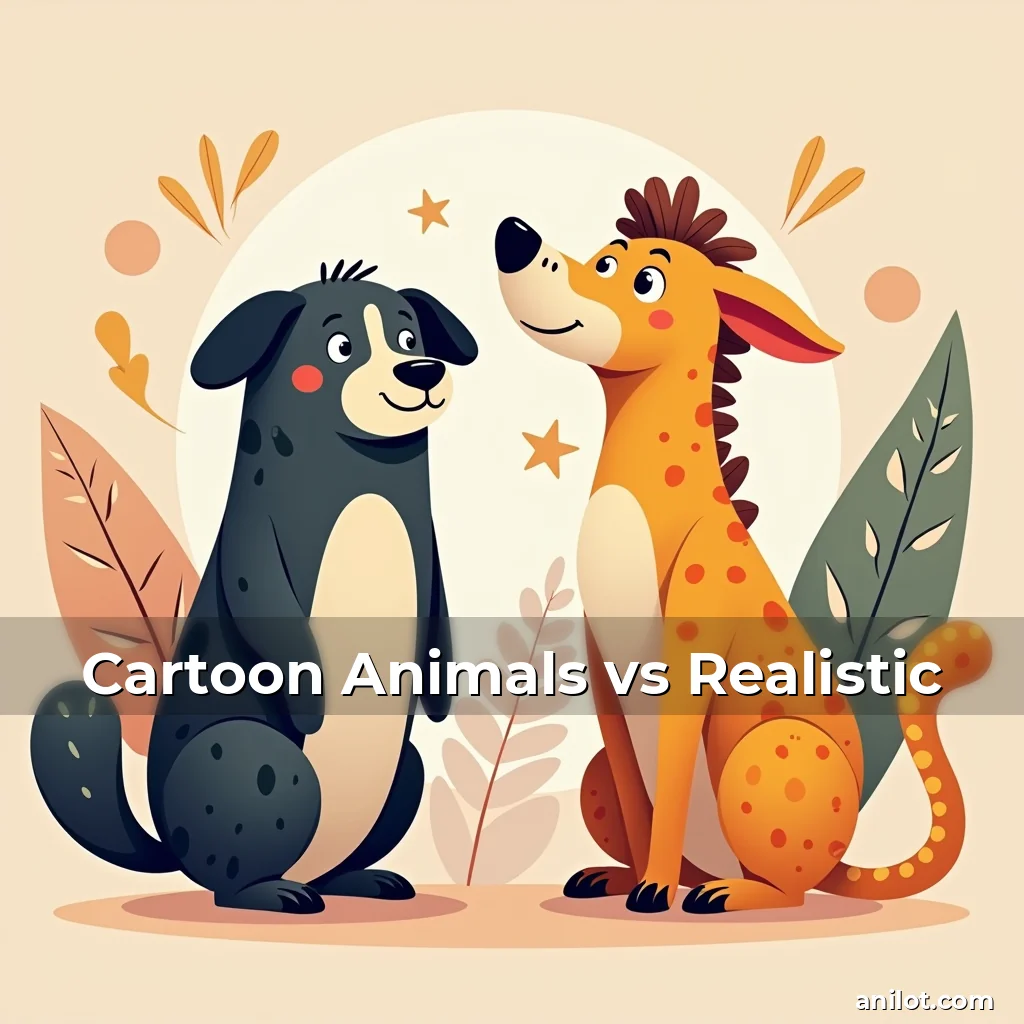
The Artful World of Cartoon Animals: A Journey Through Imagination and Expression
In a world where creativity knows no bounds, cartoon animals stand as vibrant symbols of imagination and artistic expression. These whimsical characters capture our hearts with their exaggerated features, playful personalities, and ability to convey complex emotions through simple designs. From classic staples like Mickey Mouse to modern digital creations, cartoon animals have become integral parts of global pop culture.
Their appeal transcends age, language, and geography, making them universally relatable figures that bridge cultural gaps. Whether they’re anthropomorphic creatures with human-like traits or stylized versions of real animals, these animated beings offer endless possibilities for storytelling and entertainment. As we delve deeper into this fascinating realm, we’ll explore how cartoon animals shape our perceptions, influence art styles, and continue evolving alongside technological advancements.
The Evolution of Cartoon Animal Design
The journey of cartoon animal design is a testament to the ever-changing landscape of visual arts and animation techniques. Early examples from the silent film era showcased simplistic line drawings that relied heavily on expressive eyes and minimal movement to communicate emotion. These rudimentary depictions laid the foundation for future innovations in character design.
As technology advanced during the mid-20th century, animators began experimenting with more dynamic forms. The introduction of limited animation techniques allowed creators to produce longer series without exhausting resources, giving rise to iconic shows featuring beloved animal characters. This period marked significant strides in developing distinct visual identities for each species represented in cartoons.
Moving into the digital age, computer-generated imagery has revolutionized the way cartoon animals are created and rendered. Modern productions now feature intricate textures, realistic lighting effects, and fluid motion that were once unimaginable. However, despite these technological leaps, many artists still favor hand-drawn approaches for their nostalgic charm and artistic flexibility.
- Silent Era Innovations: Animators used bold outlines and exaggerated expressions to compensate for lack of sound, creating memorable silhouettes that remain influential today.
- Limited Animation Legacy: Techniques developed by studios like Hanna-Barbera enabled cost-effective production while maintaining recognizable character designs across episodes.
- Digital Revolution Impact: CGI has expanded creative possibilities but also sparked debates about preserving traditional drawing methods among contemporary artists.
Cultural Significance and Symbolism in Cartoon Animals
Cartoon animals serve as powerful vessels for conveying messages and values across different cultures. In many societies, specific animal characteristics are associated with particular virtues or vices. For instance, rabbits often symbolize fertility and innocence, while foxes may represent cunningness depending on regional folklore traditions.
This symbolic use extends beyond mere representation; it influences how audiences interpret stories involving these creatures. When designing new characters, animators frequently draw upon existing cultural associations to create instant recognition and emotional resonance with viewers. Such deliberate choices help ensure that even unfamiliar narratives can feel familiar and meaningful.
However, globalization presents both opportunities and challenges regarding cultural symbolism in cartoon animals. While cross-cultural exchanges allow for richer storytelling experiences, there’s also risk of misinterpretation when transferring symbols from one context to another. Skilled writers and designers navigate this complexity by conducting thorough research before incorporating culturally specific elements into their work.
Regional Variations in Animal Symbolism
American cartoons tend to emphasize individuality through animal characters, often portraying them with exaggerated human qualities. Meanwhile, Japanese anime frequently explores themes related to nature and spirituality using mythical beasts drawn from Shinto beliefs. European animations might lean towards more historical references, such as medieval bestiaries influencing character designs.
These differences highlight how geographic locations shape narrative frameworks around cartoon animals. Understanding these nuances helps fans appreciate diverse interpretations while encouraging creators to respect cultural contexts when adapting international stories for local audiences.
Psychological Effects of Cartoon Animals on Human Behavior
Research indicates that exposure to cartoon animals can significantly impact psychological development, particularly in children. Studies show that young minds form stronger emotional connections with animal characters than with purely human ones due to innate fascination with non-human lifeforms.
This phenomenon stems partly from evolutionary psychology principles suggesting humans naturally gravitate toward cute, innocent-looking creatures as potential care recipients. Cartoons capitalize on this instinct by exaggerating features associated with youthfulness—large eyes, round faces, and soft body shapes—to elicit protective instincts in viewers.
Moreover, therapeutic applications demonstrate practical benefits of interacting with cartoon animal imagery. Programs utilizing cartoon therapy have reported improved mood regulation among patients suffering from anxiety disorders or depression. The presence of friendly animal companions in virtual environments encourages relaxation responses similar to those experienced during actual pet interaction.
Educational Applications of Cartoon Animals
Teachers increasingly incorporate cartoon animals into lesson plans to enhance student engagement with academic subjects. Animated representations make abstract concepts tangible, helping learners grasp difficult ideas through relatable scenarios involving anthropomorphized animals solving problems together.
For example, math lessons might follow a group of talking squirrels learning geometry by building treehouses, while science classes could involve curious cats exploring ecosystems within animated documentaries. These pedagogical strategies not only increase knowledge retention rates but also foster positive attitudes toward education itself.
Techniques Used in Creating Believable Cartoon Animals
Creating convincing cartoon animals requires mastering various technical skills ranging from anatomy studies to color theory application. Artists begin by thoroughly understanding real-world counterparts’ physical structures before applying stylistic modifications suitable for animation purposes.
An essential aspect involves simplifying complex biological forms into digestible visual components. Instead of replicating every muscle fiber or bone structure accurately, illustrators strategically omit unnecessary details while emphasizing key identifying traits—such as distinctive ear shapes for rabbits or tail patterns for raccoons.
Color selection plays a crucial role in defining personality traits visually. Warm hues generally suggest friendliness or energy levels whereas cooler tones might imply calmness or mystery. Proper shading techniques add depth perception, allowing static images to appear three-dimensional under varying light conditions.
- Anatomy Simplification: By focusing on characteristic features rather than exact replicas, artists maintain recognizability without overwhelming viewers with excessive realism.
- Color Psychology Application: Thoughtfully chosen palettes evoke desired emotional reactions from audiences based on established color association theories.
- Shading Mastery: Effective use of highlights and shadows gives flat illustrations volume, enhancing overall believability without requiring full 3D modeling capabilities.
Famous Cartoon Animals Across History
No discussion about cartoon animals would be complete without acknowledging some legendary figures who’ve left indelible marks on popular culture. Characters like Snoopy from Peanuts exemplify how simple designs can achieve profound cultural significance over decades of continuous relevance.
Other icons include Bugs Bunny whose clever antics defined generations of comedic animation standards, Garfield the lasagna-loving cat who redefined what people expect from feline protagonists, and Dory from Finding Nemo who became synonymous with perseverance despite her memory issues. Each represents unique aspects of successful cartoon animal creation.
Beyond Western media, international favorites contribute equally richly to this pantheon. Japan’s Pikachu embodies electric vitality through its iconic yellow fur pattern, while Brazil’s Tico-Teco showcases Afro-Brazilian heritage through his colorful appearance and infectious enthusiasm. These global stars prove that great cartoon animals transcend borders effortlessly.
Evolution of Iconic Designs Over Time
Many famous cartoon animals undergo subtle yet impactful redesigns throughout their lifespans. Consider how SpongeBob SquarePants transformed from a relatively plain sponge into a more vibrant, energetic character with enhanced facial expressions and dynamic movements over successive seasons.
Similarly, Looney Tunes characters like Daffy Duck evolved from being primarily comedic sidekicks into multifaceted personalities capable of carrying entire story arcs independently. These changes reflect shifting audience expectations and advances in animation technology that enable more nuanced portrayals.
The process usually involves iterative testing phases where designers experiment with different proportions, colors, and expressions until achieving optimal balance between familiarity and novelty. Successful evolution maintains core identity while embracing fresh interpretations that resonate with current times.
The Role of Technology in Advancing Cartoon Animal Creation
Modern animation technologies have dramatically reshaped how cartoon animals are conceptualized and brought to life. Digital tools provide unprecedented precision in rendering textures, simulating natural movements, and enabling interactive experiences previously impossible with conventional methods.
One groundbreaking advancement lies in motion capture systems which translate live performances into precise digital animations. This technique allows actors to embody cartoon animals physically, capturing minute gestures that add authenticity to otherwise stylized presentations. Virtual reality integration further expands possibilities by letting users engage with cartoon animals in immersive settings.
Artificial intelligence now assists in generating initial sketches based on textual descriptions or vocal commands, streamlining the creative workflow considerably. Machine learning algorithms analyze vast databases of existing artworks to suggest innovative design variations tailored specifically for target demographics.
- Motion Capture Integration: Enables highly accurate replication of organic motions that would be challenging to animate manually.
- AI-Assisted Design: Accelerates prototyping stages by rapidly producing multiple concept iterations for evaluation.
- VR Interaction Capabilities: Creates novel ways for audiences to experience cartoon animals beyond passive viewing formats.
Ethical Considerations in Depicting Cartoon Animals
While cartoon animals bring joy and entertainment, ethical questions occasionally arise concerning their portrayal. Issues surrounding anthropomorphism raise concerns about reinforcing stereotypes or distorting natural behaviors observed in real-life wildlife populations.
Critics argue that assigning human characteristics too readily may lead to misunderstandings about actual animal behavior patterns. It becomes vital then for creators to strike careful balances between imaginative license and educational responsibility whenever depicting living creatures.
Additionally, environmental messaging embedded within certain cartoons sometimes sparks debate about appropriate levels of concern portrayed towards endangered species. Responsible storytelling demands sensitivity toward ecological realities without sensationalizing conservation efforts excessively.
Navigating Cultural Sensitivities
Creative teams must exercise caution when representing indigenous mythologies or religious iconography through cartoon animals. Misrepresentation risks offending communities whose spiritual beliefs hold deep importance within cultural frameworks. Rigorous consultation processes help prevent unintentional appropriation or distortion of sacred symbols.
Furthermore, ensuring diversity representation remains paramount in contemporary productions aiming at inclusive audiences. Avoiding tokenistic portrayals requires thoughtful inclusion of varied perspectives reflected authentically rather than superficially through animal metaphors alone.
Future Trends in Cartoon Animal Development
Looking ahead, several emerging trends indicate exciting directions for cartoon animal innovation. Augmented reality promises to transform static images into interactive entities capable of responding dynamically to user input through smartphone lenses or wearable devices.
Personalization technologies will likely play bigger roles, allowing audiences to customize cartoon animals according to personal preferences—whether altering fur colors, voice modulation options, or even creating bespoke hybrid species combinations never seen before.
Meanwhile, sustainability initiatives inspire eco-conscious creators to develop cartoon animals promoting green lifestyles through engaging narratives centered around conservation themes. These forward-thinking approaches ensure continued relevance amidst changing societal priorities focused increasingly on planetary well-being.
- Augmented Reality Interactions: Enable real-time engagement with cartoon animals superimposed onto everyday environments via smart glasses or mobile apps.
- User Customization Features: Allow individuals to tailor appearances and abilities of cartoon animals reflecting personal tastes or interests.
- Eco-Friendly Storytelling: Encourage responsible consumption habits by embedding sustainable practices within entertaining adventures featuring environmentally aware animal heroes.
Conclusion
The enduring popularity of cartoon animals reflects their remarkable capacity to entertain, educate, and connect people globally. Their evolution mirrors broader shifts in artistic expression while continuously adapting to technological progressions shaping modern media landscapes.
Whether through traditional hand-drawn techniques or cutting-edge digital solutions, cartoon animals remain pivotal in fostering creativity across generations. Embracing both legacy inspirations and futuristic innovations ensures their place as timeless companions guiding us through shared human experiences enriched by boundless imagination.

news is a contributor at AniLot.com. We are committed to providing well-researched, accurate, and valuable content to our readers.
You May Also Like

About the Author
Related Articles

Comedy Animal Animation Films
Whiskers & Witty Whimsy: Exploring the World of Comedy Animal Animation Films The world of…
Animal Characters in Video Games
The Enchanting World of Animal Characters in Interactive Storytelling In the vibrant realm of digital…
Wildlife Animation Documentaries
Wildlife Animation Documentaries: A Gateway to Nature’s Hidden Worlds Wildlife animation documentaries are captivating visual…