
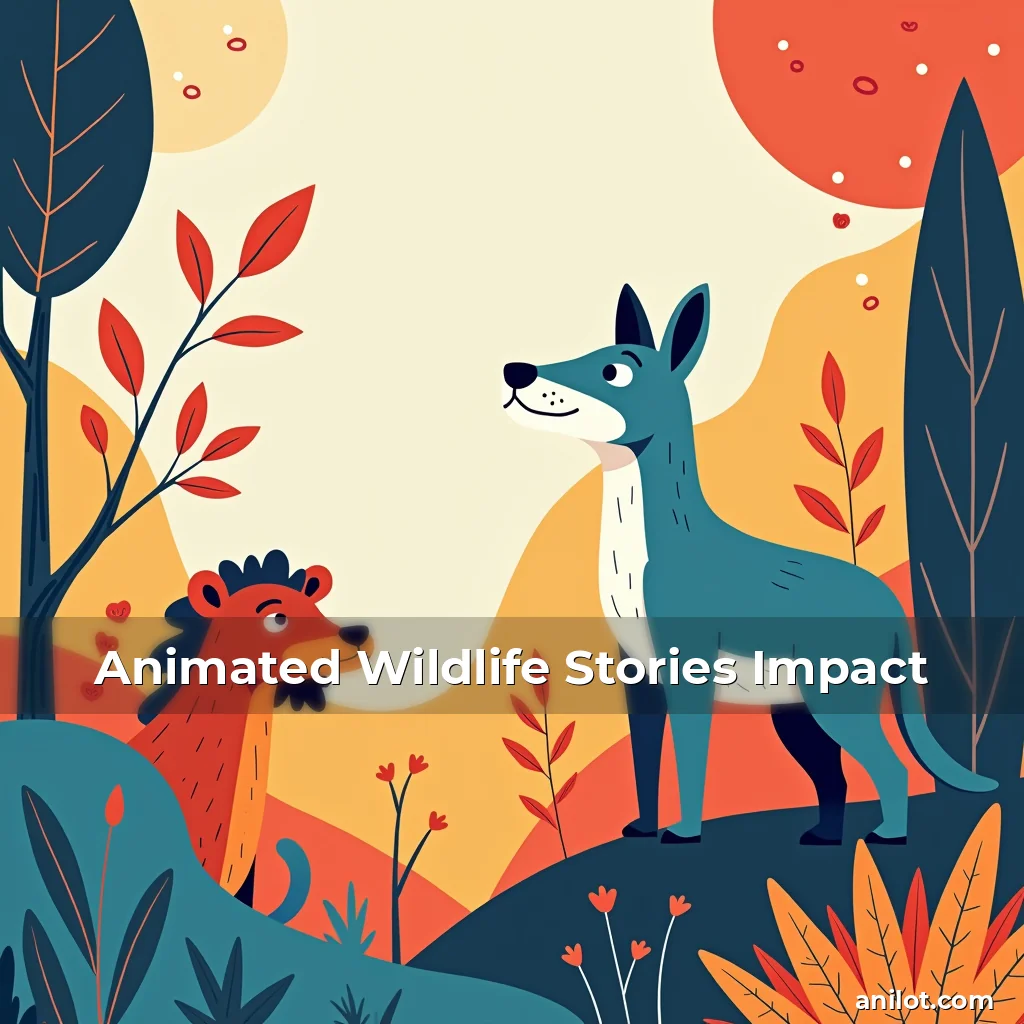
The Enduring Power of Animated Wildlife Stories in Captivating Audiences
In an era dominated by digital media, animated wildlife stories have emerged as a powerful medium to connect audiences with nature’s wonders. These narratives blend artistry with education, offering immersive experiences that transcend traditional storytelling formats.
This exploration delves into how animation has transformed our relationship with wildlife, from childhood favorites to sophisticated environmental messaging. As we journey through this article, you’ll discover why these stories continue to captivate hearts and minds across generations.
Evolution of Wildlife Animation Through Time
The origins of animated wildlife storytelling trace back to early hand-drawn animations of the 1920s, where simple pencil sketches brought animals to life on celluloid film. Pioneers like Walt Disney created iconic characters such as Bambi, which introduced entire generations to forest ecosystems through visual storytelling.
Technological advancements during the mid-20th century revolutionized wildlife animation. The introduction of limited animation techniques allowed studios to produce more content while maintaining quality. This period saw the birth of beloved series like The Adventures of Jimmy Neutron, which incorporated scientific facts alongside comedic elements.
- Limited Animation Techniques: Developed in response to rising production costs, these methods focused on reusing background artwork and simplifying character designs without sacrificing educational value.
- Stop-Motion Innovation: Studios began experimenting with claymation and puppetry to create lifelike animal movements, as seen in the classic Mr. Magoo cartoons featuring anthropomorphic creatures.
Digital technology ushered in a new era of realism in the late 20th century. Computer-generated imagery (CGI) enabled animators to depict intricate animal behaviors previously impossible with traditional methods. Films like FernGully: The Last Rainforest demonstrated this capability through hyper-realistic depictions of rainforest environments.
Modern animation combines CGI with motion capture technology, allowing for unprecedented accuracy in depicting animal locomotion and social interactions. Studios now employ biologists and veterinarians to ensure anatomical correctness in their portrayals of wild species.
Cultural Significance of Animated Wildlife Narratives
Animated wildlife stories hold profound cultural importance by shaping societal attitudes towards conservation and ecological awareness. They serve as modern-day fables that teach moral lessons through relatable animal characters, often mirroring human struggles and triumphs.
These narratives influence public perception of endangered species by making abstract threats tangible. When viewers see a majestic tiger struggling against poachers in a dramatic sequence, they develop emotional connections that translate into real-world support for conservation initiatives.
Global Reach and Cultural Adaptations
Animated wildlife productions have achieved international acclaim, with shows like Zootopia resonating across cultures despite being set in fictional environments. The universal appeal of animal protagonists allows these stories to be adapted easily for different markets while retaining core messages about coexistence and diversity.
Local adaptations maintain global themes while incorporating regional specifics. For example, Japanese anime often features kawaii-style animals representing native fauna, whereas Western productions might emphasize North American species within familiar settings.
A study conducted by the International Association of Environmental Communicators found that culturally adapted wildlife animations increase engagement rates by up to 40% among target demographics. This statistic underscores the effectiveness of localized storytelling strategies in connecting with diverse audiences.
Successful adaptations require careful balance between preserving essential narrative elements and modifying cultural references. Animators must navigate sensitivities around indigenous traditions while ensuring authentic representation of local ecosystems.
Educational Value of Animated Wildlife Content
Animated wildlife stories play a crucial role in environmental education by presenting complex ecological concepts in accessible formats. Children learn about food chains, migration patterns, and habitat preservation through visually stimulating narratives rather than dry textbook explanations.
Interactive platforms are enhancing this educational potential. Apps like Google Earth VR allow users to explore virtual ecosystems populated by animated wildlife, creating hands-on learning experiences that reinforce classroom teachings.
Series like Nature Cat combine entertainment with science education by following a curious protagonist who learns about various animal species through adventures. Such programs make scientific discovery fun while fostering a lifelong appreciation for natural history.
Educational institutions increasingly incorporate these resources into curricula. Teachers use episodes of Wild Kratts as supplementary materials when teaching biology, leveraging the show’s engaging format to explain topics like pollination and camouflage.
Psychological Effects of Wildlife Animation on Viewers
Research indicates that watching animated wildlife stories can significantly impact viewer psychology, particularly regarding empathy development and emotional intelligence. Studies show increased compassion levels after viewing films that showcase interspecies relationships and problem-solving scenarios.
Children exposed to regular doses of wildlife animation demonstrate higher levels of environmental stewardship compared to peers who consume other types of media. This correlation suggests that animated narratives shape values and behavioral tendencies from an early age.
Animators carefully craft emotional arcs that mirror human experiences. A story about a lost cub finding its way home parallels human journeys of self-discovery, creating meaningful connections between viewers and animal characters.
Therapeutic applications are emerging in mental health fields. Some clinics use wildlife documentaries combined with interactive animation to help patients process grief and trauma through metaphorical storytelling involving resilient animal species.
Environmental Advocacy Through Animated Storytelling
Movements like #SaveTheBees have gained momentum through viral animated campaigns that highlight the plight of pollinators. Short-form videos combining music, vivid visuals, and compelling narratives reach millions online, sparking grassroots activism efforts worldwide.
Conservation organizations partner with animation studios to create branded content promoting specific causes. The World Wildlife Fund collaborates regularly with cartoonists to produce educational material focusing on threatened species and their habitats.
Documentaries like Our Planet leverage cutting-edge animation to visualize climate change impacts over time scales humans cannot perceive naturally. By showing deforestation processes accelerated through visual metaphors, these productions raise urgent awareness about environmental degradation.
Virtual reality experiences take advocacy further by immersing participants in simulated ecosystems facing extinction risks. Users witness firsthand the consequences of human activity on biodiversity, experiencing environmental crises through the eyes of affected wildlife populations.
Tech Innovations Driving Wildlife Animation Evolution
Artificial intelligence is transforming wildlife animation workflows by automating repetitive tasks and enabling procedural generation of realistic landscapes. AI algorithms analyze vast datasets of animal behavior to inform more accurate movement simulations in animated sequences.
Advancements in photogrammetry allow animators to scan real animals and convert them into digital models with microscopic detail. This technique captures fur texture, muscle structure, and even subtle eye movements that enhance believability in animated portrayals.
Real-time rendering engines enable creators to preview animations instantly, reducing production times significantly. Tools like Unreal Engine empower independent filmmakers to achieve Hollywood-quality visuals without requiring massive studio budgets.
Cloud-based collaboration platforms facilitate global teamwork on wildlife projects, allowing artists from different countries to contribute simultaneously. This connectivity fosters cross-cultural exchange while accelerating creative processes across time zones.
Future Directions for Animated Wildlife Storytelling
Emerging technologies promise to reshape the future of animated wildlife storytelling dramatically. Quantum computing may soon enable ultra-fast simulations of complex ecosystem dynamics within virtual worlds, opening new frontiers for interactive storytelling.
Augmented reality applications will merge animated wildlife content with physical spaces, creating hybrid experiences where mythical creatures interact with real-world environments. Imagine walking through a park and seeing holographic dinosaurs roaming alongside actual trees and plants.
Immersive audio systems using spatial sound design will heighten sensory experiences, placing listeners inside predator-prey encounters or migratory journeys through richly layered sonicscapes. These innovations will deepen emotional engagement with wildlife narratives.
Ethical considerations will become paramount as technology advances. Creators must address concerns about digital manipulation of animal representations and ensure responsible portrayal of fragile ecosystems vulnerable to misinterpretation.
Conclusion
Animated wildlife stories remain vital tools for bridging gaps between humanity and the natural world. Their ability to educate, entertain, and inspire action makes them indispensable components of contemporary media landscapes.
As creators embrace technological advancements while honoring ecological integrity, the future of animated wildlife storytelling promises even greater impact. Engaging with these narratives not only enriches personal understanding but also contributes to collective efforts toward environmental sustainability.

news is a contributor at AniLot.com. We are committed to providing well-researched, accurate, and valuable content to our readers.
You May Also Like

About the Author
Related Articles
Animal Animation Trends 2025
The Future of Animal Animation: Emerging Trends Shaping the Industry in 2025 In 2025, animal…
Action Animal Animation Films
The Enchanting World of Action-Packed Animal Animation Films In recent years, the realm of animal…
Digital Animal Art Tutorial
Digital Animal Art Unleashed: A Creative Odyssey Through Pixels and Paws In today’s vibrant world…