
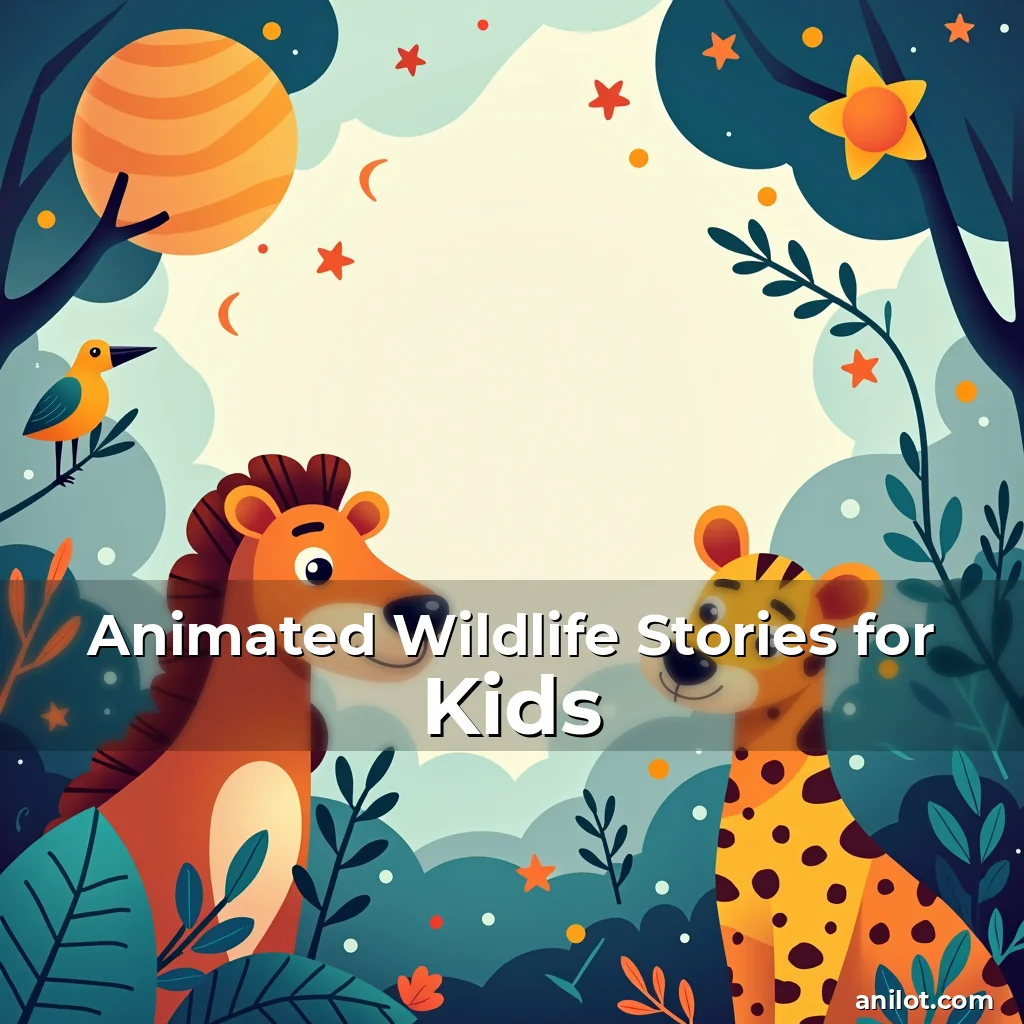
The Enchanting World of Animated Wildlife Tales: Bridging Nature and Imagination
In an age where digital entertainment reigns supreme, animated wildlife stories have emerged as a captivating blend of education and creativity. These narratives transport young audiences into vibrant ecosystems, showcasing the beauty and complexity of nature through compelling characters and thrilling adventures.
This immersive storytelling format has gained immense popularity among children and educators alike, offering both educational value and pure entertainment. By weaving real-world animal behaviors with imaginative scenarios, these stories ignite curiosity about our planet’s diverse fauna while fostering empathy towards wildlife conservation efforts.
Origins and Evolution of Animated Wildlife Storytelling
The roots of animated wildlife stories can be traced back to early 20th-century film pioneers who experimented with moving images of animals. Pioneers like Winsor McCay, known for his groundbreaking work “Gertie the Dinosaur,” laid the foundation for integrating living creatures into animation in a way that felt dynamic and alive.
As technology advanced during the mid-20th century, studios began creating more sophisticated animations featuring anthropomorphized animals. Walt Disney’s “The Adventures of Ichabod and Mr. Toad” (1949) marked a significant milestone by blending realistic animal behavior with human-like characteristics in an entertaining narrative framework.
The advent of computer-generated imagery (CGI) revolutionized animated wildlife storytelling in the late 20th century. Films like “Finding Nemo” (2003) showcased the potential of CGI to depict underwater environments with astonishing realism while maintaining the charm of animated characters interacting within natural habitats.
Trends continue evolving today with interactive media platforms allowing users to engage directly with animated wildlife stories. Virtual reality experiences now let viewers explore rainforests alongside animated sloths or swim with cartoon dolphins in their virtual oceanic realms.
Modern creators are increasingly incorporating environmental messages into these narratives without compromising entertainment value. Educational documentaries such as “Our Planet” (Netflix series) combine stunning visuals with factual information about endangered species through cleverly crafted storylines that appeal to both children and adults.
Fundamental Elements of Compelling Animated Wildlife Narratives
Creating effective animated wildlife stories requires careful consideration of several key components that make them both informative and engaging. A well-developed plot structure serves as the backbone, ensuring that each tale maintains coherence while delivering its intended message effectively.
The selection of appropriate animals plays a crucial role in determining the story’s overall impact. Choosing native species allows creators to accurately represent local biodiversity while also making the subject matter relatable to regional audiences.
Animal characters need distinct personalities that resonate emotionally with viewers. Whether it’s a mischievous raccoon learning about forest preservation or a cautious owl teaching lessons about patience, character development enhances audience connection and makes educational themes more digestible.
Realistic portrayals of animal behavior add authenticity to these stories but must be balanced with creative license when depicting fantastical elements. Striking this balance ensures that viewers gain accurate knowledge about wildlife while still enjoying imaginative adventure sequences.
- Environmental Accuracy: Including correct seasonal patterns, migration routes, and ecosystem interactions helps establish credibility for the depicted world.
- Educational Value: Integrating subtle lesson plans about food chains, camouflage techniques, or predator-prey relationships makes learning feel organic rather than forced.
- Emotional Engagement: Crafting relatable struggles between characters fosters emotional investment which strengthens retention of ecological concepts learned from the experience.
A strong visual style consistently contributes to viewer immersion across different formats ranging from traditional hand-drawn cartoons to cutting-edge augmented reality applications. Maintaining stylistic consistency reinforces brand recognition while supporting thematic cohesion throughout multi-platform releases.
Sound design also plays an essential role in enhancing the experience. From realistic animal vocalizations to ambient background noises mimicking actual environments, auditory elements significantly contribute to the sense of presence within any given scene.
Creative Approaches to Wildlife Story Development
Story developers employ various strategies to craft unique narratives that captivate young minds while delivering meaningful ecological messages. One popular method involves transforming true-life events into fictionalized accounts that maintain core facts yet enhance dramatic tension through artistic interpretation.
For instance, following the story of a real cheetah cub surviving harsh conditions becomes more engaging when adapted into an action-packed journey filled with obstacles and triumphs experienced by charismatic animal protagonists. This approach maintains educational integrity while providing compelling entertainment.
Collaborations between scientists and storytellers ensure accuracy while making complex biological processes accessible to younger audiences. Researchers specializing in particular species often consult on projects to verify behavioral depictions and habitat representations before they reach final production stages.
Perspective-taking exercises embedded within plots help develop empathy toward non-human life forms. When characters face similar challenges to what humans might encounter – fear of change, overcoming adversity, or protecting loved ones – viewers naturally begin identifying with their struggles and motivations.
Diverse representation extends beyond simple inclusion; it means deliberately crafting stories that reflect global biodiversity and cultural perspectives on nature conservation. Featuring animals from lesser-known regions encourages awareness about underrepresented species facing urgent threats due to climate change impacts.
Multimedia integration expands opportunities for deeper engagement. Interactive apps allow users to track virtual animals’ journeys across mapped landscapes using GPS data overlays. Mobile games based on these narratives enable players to learn about ecosystems through gameplay mechanics designed around ecological principles.
Interactive Technologies Enhancing Wildlife Animation Experiences
Advancements in technology have opened up new dimensions for experiencing animated wildlife stories through interactive platforms that go far beyond passive viewing. Augmented reality (AR) applications now bring animated creatures into everyday spaces, letting users interact with virtual wildlife in familiar settings.
Apps like Google’s Project Wildlife allow children to scan real plants or rocks using smartphone cameras and see animated animals emerge from those surfaces, demonstrating how they would appear in their natural habitats. This kind of experiential learning strengthens understanding of ecological interdependence in ways traditional methods cannot achieve.
Virtual reality (VR) headsets create fully immersive environments where users can virtually join animals on their daily activities. Experiencing a day in the life of a red panda through VR offers unparalleled insight into their behaviors, habits, and the challenges they face in their mountainous homes.
These technological innovations also provide tools for remote classrooms, enabling students worldwide access to high-quality wildlife education resources regardless of geographic location or socioeconomic status. Online platforms offer interactive modules where learners can manipulate variables affecting ecosystems and observe consequences in real-time simulations.
Social media platforms further extend outreach possibilities through bite-sized animated clips shared via TikTok or YouTube Shorts. These micro-narratives serve as gateway content that introduces larger wildlife conservation issues with engaging storytelling styles optimized for modern attention spans.
Moreover, live-streamed encounters with animators working on wildlife projects give behind-the-scenes glimpses at the creative process. Seeing how artists translate scientific research into visually appealing characters helps demystify the intersection between art and science in conservation communication efforts.
Educational Impact of Animated Wildlife Storytelling
Research indicates that exposure to animated wildlife narratives positively influences children’s attitudes towards environmental stewardship. Studies conducted by organizations like National Geographic show increased interest in nature-related careers after prolonged engagement with these kinds of media.
Younger audiences exposed to consistent messaging about habitat protection tend to develop stronger personal connections with wildlife, translating into more environmentally conscious behaviors later in life. The power of narrative structures used in these stories helps shape long-term values regarding sustainability practices.
Teachers utilizing animated wildlife content report higher student participation levels compared to conventional textbook approaches alone. Visual metaphors embedded within stories make abstract ecological concepts tangible, helping struggling learners grasp difficult ideas through relatable character experiences.
Parents note improvements in critical thinking skills as children analyze character decisions within story contexts. Evaluating choices made by animated protagonists provides practice in decision-making frameworks applicable to real-world problem-solving situations involving resource management or ethical dilemmas related to conservation efforts.
Data collected over ten years shows measurable correlations between regular consumption of quality wildlife animation and improved academic performance in subjects like biology, geography, and even mathematics when applied to measuring population growth rates or calculating energy expenditures relevant to animal survival needs.
Beyond cognitive benefits, emotional intelligence develops through empathetic engagement with story arcs portraying interspecies relationships and communal responsibilities faced by wildlife communities. Understanding social hierarchies observed in animal groups prepares youth for navigating interpersonal dynamics in human societies.
Cultural Significance Across Global Communities
Traditional folklore from numerous cultures contains rich narratives about animals playing vital roles in human history and mythology. Incorporating these ancient tales into contemporary animated formats preserves indigenous wisdom while adapting them for new generations seeking fresh interpretations of timeless truths.
Native American traditions feature coyotes as trickster figures guiding individuals through moral complexities, paralleling modern animated characters serving similar narrative functions within eco-conscious storylines emphasizing responsible behavior towards the environment.
Many African oral histories include lion kings symbolizing leadership qualities necessary for sustainable governance, mirroring animated versions that showcase intelligent animal leaders making wise decisions benefiting entire ecosystems rather than focusing solely on individual success.
Japanese kigo (seasonal references) found in anime frequently draw upon specific animal associations representing particular times of year, reflecting deep cultural understandings of natural cycles that animated stories can creatively reinterpret through visual symbolism enhanced by modern technologies.
Celebrating international diversity within animated wildlife content promotes cross-cultural appreciation by highlighting unique adaptations seen among different species inhabiting varied biomes around the globe. Recognizing evolutionary solutions developed independently by disparate organisms fosters respect for nature’s ingenuity.
Global collaborative projects unite creators from diverse backgrounds to produce anthologies celebrating world wildlife heritage. These multimedia collections serve as digital museums preserving endangered cultural expressions tied closely with specific animal species integral to respective communities’ identities.
The Future Landscape of Animated Wildlife Storytelling
Ongoing developments suggest exciting transformations ahead for animated wildlife narratives that will reshape how future generations perceive and connect with the natural world. Emerging AI technologies promise personalized story experiences tailored specifically to each user’s interests and developmental stage.
Artificial intelligence could soon generate adaptive storylines where protagonists evolve alongside viewers according to their demonstrated comprehension levels, ensuring optimal challenge without frustration. Real-time language translation features integrated into these experiences would enable seamless global sharing of wildlife stories transcending linguistic barriers.
Eco-friendly production methodologies are becoming standard industry practices, minimizing carbon footprints associated with digital content creation. Cloud-based rendering reduces reliance on physical storage infrastructure, contributing to broader environmental sustainability goals within animation sectors.
Voice recognition software advances offer novel interaction modes allowing direct conversations between users and animated characters discussing current environmental topics or exploring hypothetical scenarios examining possible futures shaped by various conservation strategies.
Immersive haptic feedback systems being tested in prototype devices aim to simulate tactile sensations experienced by animals, deepening sensory engagement with wildlife content. Feeling vibrations mimicking thunderstorms alerting savannah predators adds another layer of realism previously unattainable through visual medium alone.
With increasing emphasis placed on STEM education, animated wildlife narratives will likely incorporate more mathematical models illustrating population dynamics or predictive analytics showing outcomes from different environmental policies applied within simulated worlds.
Conclusion
Animated wildlife stories stand as powerful bridges connecting imagination with ecological awareness, offering transformative learning experiences wrapped in enchanting narratives. Through continuous innovation across artistic expression, technological application, and pedagogical integration, these stories hold tremendous potential for shaping environmentally responsible future generations.
To truly harness this capacity, it remains crucial to support ongoing developments in this field by investing in quality content creation, promoting widespread accessibility, and encouraging active participation from both creators and consumers dedicated to preserving Earth’s invaluable biodiversity.

news is a contributor at AniLot.com. We are committed to providing well-researched, accurate, and valuable content to our readers.
You May Also Like
About the Author
Related Articles
CGI Animated Movies Evolution
The Enchanting World of Animated Movies: A Journey Through Time and Imagination In the vast…
The Endearing World of Cartoon Animals: A Journey Through Whimsy and Imagination
The Endearing World of Cartoon Animals: A Journey Through Whimsy and Imagination In the vibrant…
Funny Animal Videos with Sound Effects
Funny Animal Videos with Sound Effects In today’s fast-paced digital world, few things bring instant…