


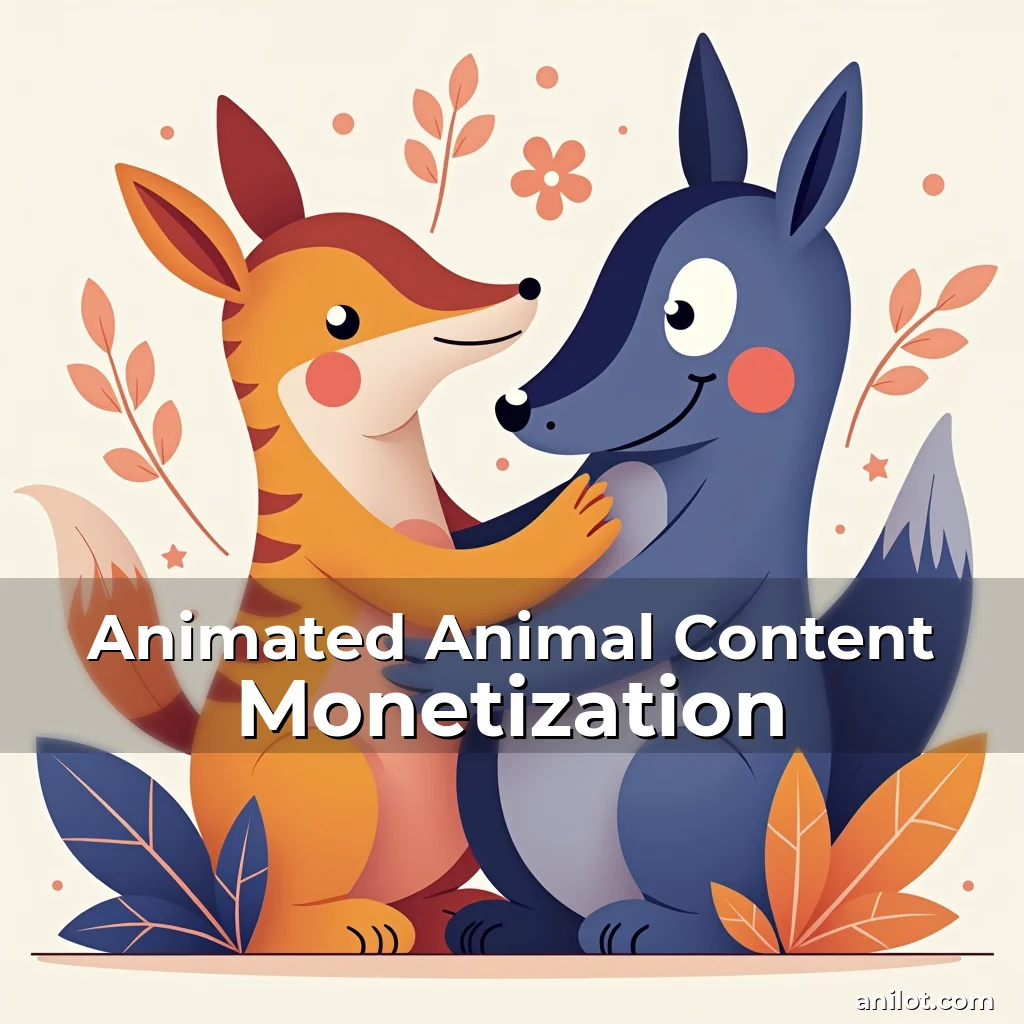
Animated Animal Content Monetization Strategies for Creators
In today’s digital landscape, animated animal content has emerged as a powerful medium that captivates audiences across platforms. From YouTube channels featuring lovable cartoon animals to Instagram reels showcasing playful animations, creators are finding innovative ways to turn their passion into profit.
The rise of streaming services and social media platforms has created unprecedented opportunities for animators who specialize in animal characters. By understanding audience preferences and leveraging monetization strategies, these creators can build sustainable careers while entertaining millions worldwide.
The Growing Demand for Animated Animals Online
Animal-themed animation consistently ranks among the most viewed content categories on video-sharing platforms. This trend is driven by both children’s programming and adult-oriented shows that use anthropomorphic creatures to explore complex themes.
Streaming platforms have invested heavily in original series featuring talking animals, recognizing the genre’s broad appeal. Netflix alone has produced over 20 animated animal series since 2018, many of which feature unique character designs and compelling storylines.
Social media algorithms favor content that sparks emotional engagement, making animated animals particularly effective for viral marketing campaigns. A single clip of a cute fox learning to dance can accumulate hundreds of thousands of views within hours.
- Child Engagement: Animated animals provide safe, educational entertainment for young viewers through interactive storytelling formats
- Cross-Platform Appeal: Characters often maintain consistent branding across YouTube, TikTok, and webtoons, creating recognizable franchises
- Viral Potential: Comedic timing and exaggerated expressions make animal animations highly shareable on short-form video apps
Monetization Models for Animated Animal Content
Content creators have access to various revenue streams when producing animated animal videos. Ad-supported models remain popular due to their simplicity, but alternative approaches offer greater long-term value for dedicated artists.
Premium subscription models allow fans to support favorite creators financially while gaining exclusive content. Patreon and Ko-fi platforms enable direct fan-to-creator relationships where supporters receive behind-the-scenes material and early previews.
Licensing opportunities open doors for commercial partnerships. Studios may sell rights to use characters in merchandise, mobile games, or theme park attractions after establishing brand recognition through online presence.
Diversified Revenue Streams
A multi-pronged approach ensures financial stability even during algorithm shifts or platform changes. Combining ad income with affiliate marketing creates resilient revenue sources that complement each other rather than compete.
Merchandising provides tangible products for fans while reinforcing brand identity. Custom plush toys, clothing lines, and collectible figurines generate recurring sales once initial awareness has been built through free content distribution.
Production Techniques for High-Quality Animations
Creating professional-grade animated animal content requires mastering industry-standard tools and techniques. While some creators start with basic software, advanced projects benefit from specialized animation suites.
Traditional hand-drawn animation offers nostalgic charm but demands significant time investment. Digital tools like Adobe Animate streamline production workflows while maintaining artistic flexibility through vector-based drawing systems.
Stop-motion animation brings tactile realism to animal characters through physical puppetry and frame-by-frame filming. This method works especially well for nature documentaries and educational content focused on real-world animal behavior.
- 3D Animation: Software such as Blender enables photorealistic renderings ideal for cinematic productions and immersive virtual experiences
- 2D Vector Graphics: Programs like Toon Boom Harmony allow precise control over motion paths and facial expressions crucial for comedic timing
- Motion Capture: Advanced studios utilize performance capture technology to translate human movements into lifelike animal animations
Building a Loyal Audience Through Consistent Content
Consistency is key to cultivating a loyal following in the competitive world of animated content creation. Regular posting schedules help establish viewer expectations and encourage repeat visits to your channel.
Engaging with comments and responding to messages fosters community spirit around your creations. Viewers appreciate feeling personally connected to creators they follow regularly online.
Collaborating with fellow animators expands reach through cross-promotion opportunities. Joint projects between complementary creators often attract new audiences unfamiliar with either individual’s work.
Community Building Strategies
Interactive elements like polls, Q&A sessions, and live drawing demonstrations create memorable experiences for followers. These activities transform passive viewers into active participants in creative processes.
Exclusive member communities on Discord servers deepen connections between creators and their most devoted fans. Specialized groups allow for deeper discussions about technical aspects of animation artistry.
Ethical Considerations in Animated Animal Creation
While animated animals appear fictional, ethical questions arise regarding how they’re portrayed in different contexts. Responsible creators consider implications of depicting certain behaviors or stereotypes associated with particular species.
Environmental messaging embedded within stories can educate audiences about wildlife conservation efforts. Shows featuring endangered species often include informative segments explaining habitat preservation initiatives.
Respecting cultural sensitivities becomes essential when adapting traditional folklore involving mythical creatures. Proper research helps avoid misrepresentation of beliefs held by various communities worldwide.
Trends Shaping Future Development in Animated Animal Media
Advancements in AI-generated animation promise exciting possibilities for content creators looking to innovate. Machine learning technologies now assist with background generation and automated rigging processes.
Immersive augmented reality experiences let users interact with animated animals in real environments. Mobile applications already demonstrate potential for blending digital characters seamlessly into physical spaces.
Virtual reality platforms continue evolving toward higher fidelity visuals capable of replicating realistic textures found in natural habitats. This progress opens up new storytelling dimensions previously unimaginable in conventional media formats.
Overcoming Challenges in Animated Animal Production
Producing high-quality animated animal content presents unique challenges requiring creative problem-solving skills. Technical limitations sometimes restrict visual complexity depending on available resources.
Time management issues frequently arise when balancing quality assurance with tight deadlines. Prioritizing tasks effectively prevents burnout while maintaining consistent output standards across all episodes.
Copyright concerns emerge when using existing intellectual property assets within new projects. Clear legal guidelines protect against unintentional infringement claims from third-party entities holding registered trademarks.
Tools and Resources for Aspiring Animated Animal Artists
Newcomers entering this field benefit greatly from utilizing beginner-friendly tutorials that break down fundamental principles step-by-step. Many experienced animators generously share knowledge through free online courses.
Open-source software options lower entry barriers significantly compared to proprietary alternatives requiring expensive licensing fees. Communities surrounding these programs often provide robust support networks for troubleshooting common issues.
Online marketplaces connect independent artists with potential collaborators seeking talent for upcoming projects. Freelance platforms facilitate transparent communication about project scope and compensation expectations upfront.
Conclusion
This exploration of animated animal content creation highlights the diverse opportunities available to passionate individuals willing to invest time in developing their craft. From choosing appropriate styles to implementing effective monetization plans, numerous factors contribute to successful outcomes.
By staying informed about emerging trends while refining core competencies, aspiring creators can position themselves advantageously within this rapidly growing niche sector. With dedication and strategic planning, turning love for animals into profitable artistic endeavors remains very much achievable today.


news is a contributor at AniLot.com. We are committed to providing well-researched, accurate, and valuable content to our readers.
You May Also Like

Animal Cartoons Merchandise
The Endless Whiskers: A Deep Dive into Animal Cartoon Culture In a world where animated characters have become cultural icons,...
International Animal-Themed Shows
The Global Phenomenon of Animal-Themed Entertainment: A Deep Dive into Popular Shows Around the World In recent years, animal-themed television...
Digital Animal Art Styles
The Endless Canvas: Exploring Digital Animal Art Through Generative AI and Human Creativity In the ever-evolving landscape of digital art,...
Funny Animated Animals Compilation
Funny Animated Animals Compilation The world of animated animals has long captivated audiences with its charm, creativity, and ability to...