
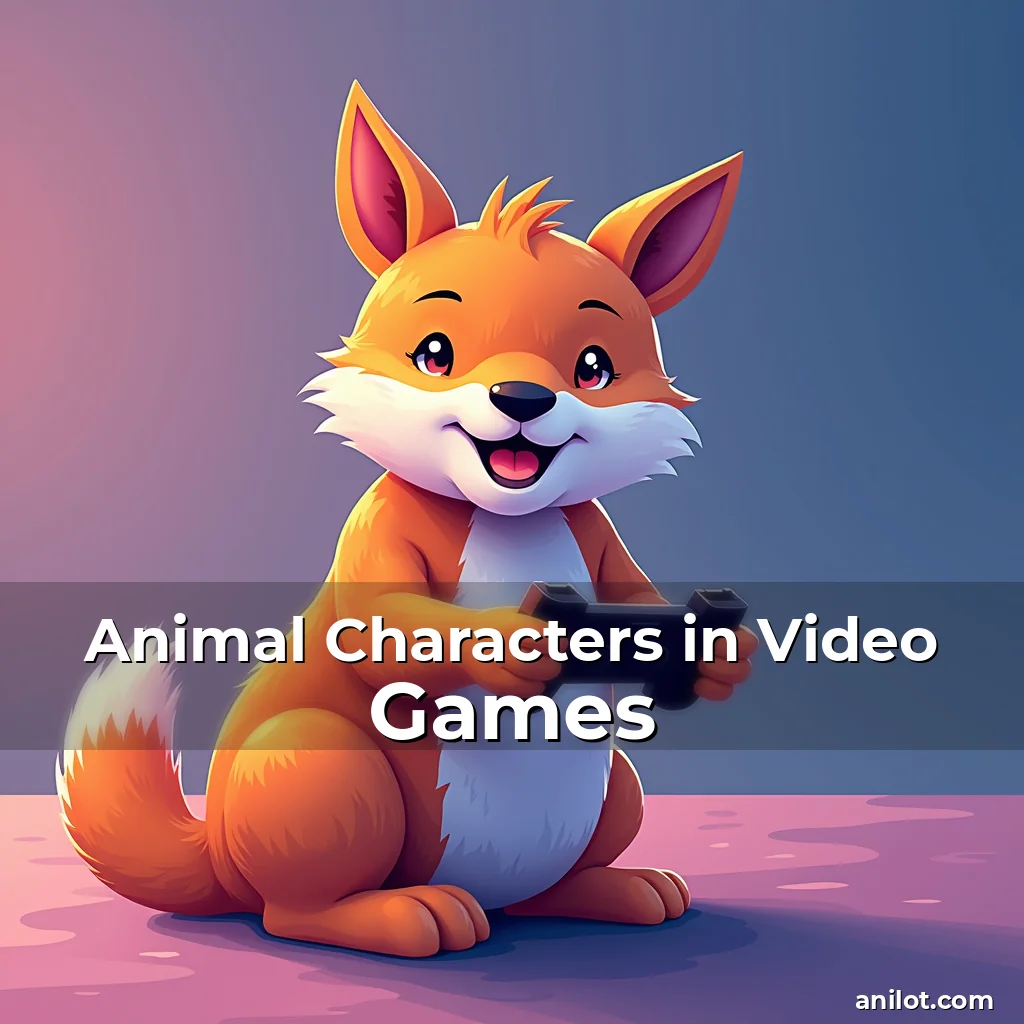
The Enchanting World of Animal Characters in Interactive Storytelling
In the vibrant realm of digital entertainment, animal characters have carved out a special niche as beloved companions, formidable foes, and symbolic guides within interactive narratives. From anthropomorphic heroes who navigate complex worlds to realistic creatures embodying natural instincts, these portrayals offer players a unique lens through which to explore themes of identity, ecology, and human-animal relationships.
This exploration delves into the multifaceted role of animal characters across various gaming genres, examining their psychological impact, narrative significance, and cultural resonance. We’ll uncover how developers craft compelling non-human protagonists while analyzing the broader implications of these representations in shaping player perspectives.
The Evolution of Animal Character Design in Gaming History
The journey of animal characters in video games began with simple pixel art depictions during the early days of arcade machines. These rudimentary designs served functional purposes rather than aesthetic ones, focusing primarily on distinguishing playable entities from environmental elements.
As technology advanced, so did the complexity of character design. The introduction of 3D modeling in the mid-90s allowed for greater anatomical accuracy, enabling developers to create lifelike representations of animals that could move and interact with environments in more believable ways.
Notable milestones include:
- Donkey Kong Country (1994): Pioneered expressive animation techniques using polygonal models
- Jurassic Park (1993): Set new standards for dinosaur realism in pre-rendered cutscenes
- Pokemon (1996): Established iconic anthropomorphic designs still influential today
The transition from 8-bit graphics to high-resolution textures marked a turning point where animal characters became central figures in storytelling rather than mere gameplay mechanics. This evolution reflects both technological progress and changing audience expectations regarding visual fidelity and emotional engagement.
Cultural Significance of Animal Characters Across Global Markets
Animal characters serve as powerful cultural symbols, often reflecting societal values and historical contexts within different regions. In Japan, for example, mythical beasts like kitsune and kirin appear frequently in game lore, drawing upon centuries-old folklore traditions.
Western markets tend to emphasize anthropomorphism more heavily, creating talking animals that mirror human behaviors and social dynamics. This approach allows for deeper character development while maintaining relatability for international audiences.
Different cultures manifest distinct approaches:
- Korean games: Often incorporate dragons and tigers symbolizing power and protection
- Middle Eastern titles: Feature jackals and camels representing desert survival wisdom
- African-inspired games: Highlight elephants and lions as embodiments of strength and leadership
These regional variations not only enrich the global gaming landscape but also foster cross-cultural understanding by exposing players to diverse mythologies and ecological knowledge systems inherent in each tradition’s animal symbolism.
Psychological Impact of Playing as Animal Characters
Engaging with animal avatars can profoundly influence player psychology, offering alternative perspectives on problem-solving and moral decision-making. Studies show that playing as non-human entities encourages empathy towards nature and enhances spatial awareness skills.
Research conducted at Kyoto University found that participants who played as foxes in simulation games demonstrated increased patience levels compared to those controlling human characters. This suggests potential therapeutic applications for stress relief and behavioral modification programs.
Key psychological effects observed include:
- Enhanced observational skills: Players become more attuned to environmental cues when navigating through animal eyes
- Reduced aggression tendencies: Non-violent animal narratives promote conflict resolution strategies
- Improved multitasking abilities: Managing primal instincts alongside strategic goals strengthens cognitive flexibility
Game designers increasingly recognize these benefits, incorporating animal perspectives intentionally to achieve educational objectives without compromising entertainment value. This intentional design choice creates immersive experiences that resonate emotionally while delivering meaningful lessons.
Narrative Functions of Animal Characters in Game Storytelling
Within game narratives, animal characters fulfill essential roles ranging from mentors to antagonists, providing unique story arcs that differ significantly from traditional human-centric plots. Their inclusion often introduces thematic depth related to nature conservation and interspecies cooperation.
Fantasy RPGs particularly benefit from animal allies, allowing players to form bonds with creatures whose abilities complement human strengths. This dynamic partnership mirrors real-world symbiotic relationships found in ecosystems worldwide.
Common narrative archetypes include:
- Guardian spirits: Ancient beings protecting sacred sites or guiding lost travelers
- Rival predators: Challenging protagonists to prove dominance over territory or resources
- Ecosystem representatives: Symbolizing balance within virtual worlds’ food chains
Developers strategically employ these archetypes to advance plotlines organically while reinforcing core messages about coexistence and respect for all living things. Such storytelling choices make abstract concepts tangible through engaging gameplay scenarios.
Design Challenges in Creating Believable Animal Avatars
Creating convincing animal characters requires overcoming numerous technical hurdles, including accurate movement physics and appropriate facial expressions that convey emotion effectively. Developers must strike a delicate balance between biological plausibility and gameplay functionality.
One significant challenge lies in translating real-world anatomy into game-ready models without sacrificing performance efficiency. Simplifying muscle structures might compromise authenticity, yet overly complex meshes risk causing lag issues on lower-end hardware.
Key design considerations encompass:
- Limb proportions: Adjustments are necessary to ensure usability for controller-based interactions
- Skeletal rigging: Must accommodate unique locomotion patterns unlike human bipedalism
- Voice modulation: Finding the right tone that feels natural yet distinguishes from purely human speech
Artificial intelligence programming adds another layer of complexity, requiring careful calibration to prevent unrealistic behavior patterns while maintaining enough unpredictability to feel organic. These challenges highlight why many studios invest substantial time refining animal character animations before launch.
Educational Potential Through Animal-Themed Gameplay
Animal-themed games provide exceptional opportunities for informal learning, teaching players about wildlife biology, ecosystem interdependencies, and conservation efforts in an engaging format. Educational institutions increasingly recognize this potential for experiential learning beyond traditional classroom settings.
Simulation games featuring realistic animal behavior allow users to experiment with different habitats and observe consequences firsthand. This hands-on approach fosters scientific curiosity and critical thinking skills naturally through play.
Successful educational implementations demonstrate:
- Virtual field trips: Exploring biomes with guided animal encounters
- Habitat restoration missions: Teaching resource management principles
- Biodiversity quizzes: Reinforcing species identification knowledge
By integrating factual information seamlessly into gameplay mechanics, developers create memorable learning experiences that retain interest long after the console is turned off. This blend of education and entertainment represents a growing trend in modern game design philosophy.
Representation Diversity Among Animal Characters
The spectrum of represented animal species has expanded dramatically over recent decades, moving beyond traditional favorites toward more obscure and ecologically significant creatures. This diversification reflects increasing awareness of biodiversity loss and the need for inclusive representation in media formats.
Games now feature endangered species as prominent characters, raising consciousness about habitat destruction and climate change impacts. This shift acknowledges the responsibility of creators to contribute positively to public discourse surrounding environmental issues.
Emerging trends in representation include:
- Oceanic lifeforms: Deep-sea creatures exploring marine ecosystems
- Nocturnal mammals: Night-dwelling species showcasing unique adaptations
- Insectoid characters: Highlighting pollinators vital to global food security
Such diversity ensures players encounter a wide range of species, fostering appreciation for Earth’s rich biological tapestry. It also provides platforms for discussing conservation topics through interactive storytelling that resonates emotionally with audiences of all ages.
Community Engagement Through Animal Character Cosplay
The popularity of animal-themed cosplay demonstrates how deeply players connect with these characters, transforming them into physical manifestations through costume creation and performance artistry. Conventions regularly host elaborate displays featuring meticulously crafted animal costumes.
Online communities thrive around shared interests in specific animal characters, forming dedicated fanbases that organize events and create derivative works. This grassroots enthusiasm indicates strong emotional investment among gamers who see themselves reflected in these fantastical creatures.
Popular cosplay subcultures center around:
- Anthropomorphic hybrids: Combining human traits with animal features creatively
- Mythical beasts: Reimagining legendary creatures with contemporary aesthetics
- Conservation-focused cosplays: Using outfits to raise awareness about endangered species
Through these creative expressions, fans contribute to keeping animal characters relevant beyond the screen, ensuring their legacy continues to inspire future generations of players and artists alike. This phenomenon underscores the enduring appeal of animal personas in gaming culture.
Future Trends in Animal Character Development
Advancements in artificial intelligence promise revolutionary changes in how animal characters behave and evolve within games. Machine learning algorithms may enable more sophisticated decision-making processes that mimic genuine animal cognition patterns.
Immersive technologies like VR and AR present exciting possibilities for experiencing animal characters in unprecedented ways. Users could potentially engage with virtual creatures in mixed reality environments, blurring the lines between digital and physical realms.
Anticipated innovations include:
- Procedural generation: Creating unique animal companions based on player preferences
- Adaptive AI: Characters evolving behaviors according to individual interaction styles
- Biomechanics integration: Incorporating actual physiological data into movement simulations
These developments suggest a future where animal characters become even more integral to gaming experiences, offering personalized encounters that adapt dynamically to user input. As technology progresses, we can expect ever more lifelike representations that push creative boundaries in unexpected directions.
Conclusion
The enduring fascination with animal characters in gaming reveals much about our relationship with the natural world and our desire for connection beyond conventional human narratives. Through thoughtful design and innovative storytelling, these characters continue to captivate players across generations.
As the industry evolves, embracing emerging technologies will be crucial in preserving the magic of animal characters while expanding their capabilities. By staying attuned to both artistic expression and scientific accuracy, developers can ensure these beloved figures remain as relevant and impactful as they’ve always been.

news is a contributor at AniLot.com. We are committed to providing well-researched, accurate, and valuable content to our readers.
You May Also Like


About the Author
Related Articles
Preschool Animal-Themed Shows
The Magical World of Animal-Themed Television Shows for Preschoolers In recent years, animal-themed television programs…
Animation For Kids Strategies and Implementation
The Magic of Animation: A Gateway to Creativity and Learning for Kids In today’s digital…
Cartoon Animals in Advertising
The Endless Charm of Cartoon Animals in Popular Culture In a world increasingly dominated by…