
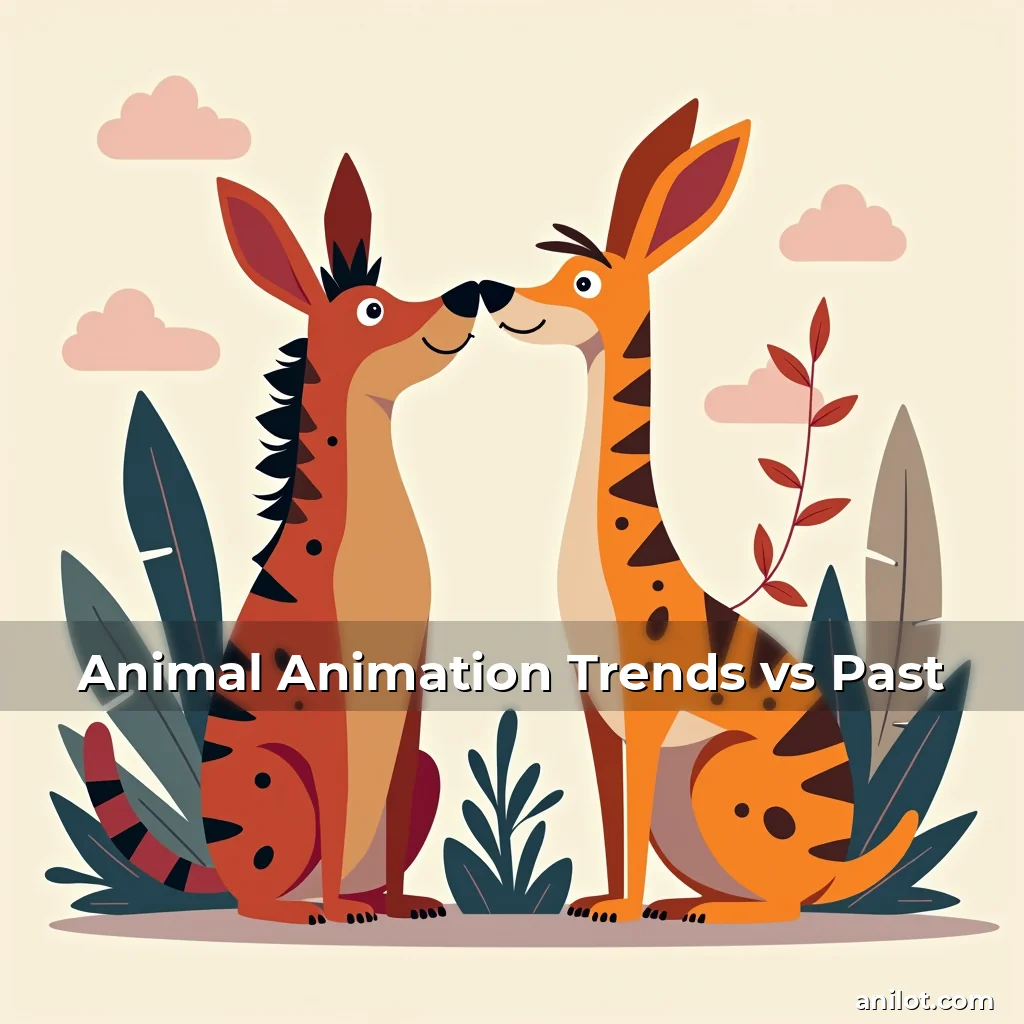
The Evolution of Animal Animation: From Realism to Playful Abstraction
In recent years, animal animation has undergone a dramatic transformation that’s redefining how creatures are brought to life on screen. This evolution is not merely aesthetic; it reflects deeper changes in storytelling techniques, technological advancements, and audience expectations.
The shift from hyper-realistic portrayals to stylized interpretations marks a significant turning point in the industry. Animators now embrace diverse approaches that balance technical precision with creative freedom, creating experiences that resonate emotionally with viewers of all ages.
Redefining Realism in Animal Motion
The traditional pursuit of photorealism in animal animation has given way to a more nuanced approach that values emotional resonance over perfect replication. Modern animators understand that audiences often connect more deeply with characters who exhibit expressive traits rather than precise biological accuracy.
This shift is particularly evident in productions where anthropomorphic animals serve as protagonists. Studios have discovered that adding subtle human-like characteristics enhances relatability without compromising the essence of each species’ natural behavior.
Case Study: In Pixar’s latest feature film featuring a curious raccoon protagonist, animators meticulously studied real raccoons while also incorporating playful exaggerations to create a character both familiar and endearing.
The integration of biomechanical principles remains crucial even when pursuing stylization. Advanced motion capture technology allows artists to base their animations on genuine animal movements before applying artistic interpretation.
Industry experts note that successful realistic portrayals require balancing scientific research with creative vision. While some projects prioritize anatomical correctness, others use these studies as a foundation for imaginative reinterpretation.
- Biodiversity Studies: Researchers collaborate with studios to ensure accurate depictions of various species’ physical capabilities and limitations.
- Motion Analysis: High-speed cameras track actual animal behaviors, providing reference material for both realistic and abstract representations.
The Rise of Expressive Stylization
A growing trend in animal animation emphasizes stylistic expression over strict realism. This movement reflects changing viewer preferences and evolving artistic sensibilities within the industry.
Artists experiment with exaggerated proportions, simplified forms, and distinctive color palettes to create visually striking characters. These choices allow for greater narrative flexibility and enhanced visual communication.
Notable Example: A popular streaming series features whimsically oversized cats whose exaggerated expressions effectively convey complex emotions through simple visual cues.
Stylization enables faster production workflows while maintaining high-quality output. Simplified designs reduce rendering times without sacrificing visual appeal, making them ideal for serialized content formats.
Cultural influences significantly shape stylistic choices. Eastern animation traditions often favor fluid line work and dynamic compositions, contrasting with Western approaches that emphasize shading and textural depth.
Cross-Cultural Stylistic Blends
The fusion of different artistic traditions creates exciting new possibilities in animal animation. Hybrid styles combine elements from global animation cultures to produce fresh visual languages.
Some studios deliberately blend Japanese anime aesthetics with European cartooning techniques to create unique visual identities for their animated worlds.
Statistical Insight: Surveys indicate that 68% of international audiences prefer hybrid styles that incorporate multicultural design elements.
These blended approaches challenge traditional notions of what constitutes “authentic” animation style, opening doors for innovative storytelling methods across cultural boundaries.
Digital Tools Revolutionizing Creation
Advancements in digital animation tools have dramatically expanded creative possibilities for animal animation. Software innovations enable artists to achieve previously impossible levels of detail and complexity.
Volumetric lighting techniques now allow for more authentic renderings of fur and feathers, capturing light interactions at microscopic levels. These developments enhance visual fidelity while preserving artistic intent.
Technological Milestone: Recent breakthroughs in AI-assisted animation software can predict and simulate natural animal movements based on minimal input data.
Real-time rendering engines facilitate interactive prototyping, enabling creators to test and refine animations dynamically during production cycles.
Cloud-based collaboration platforms streamline workflow processes, allowing teams worldwide to contribute seamlessly to complex animation projects.
Virtual reality environments provide immersive spaces for testing animations, helping identify potential issues before final production stages.
Environmental Storytelling Through Animals
Increasingly, animal-centric narratives explore environmental themes, using creatures as metaphors for ecological concerns. This approach aligns with broader societal interests in sustainability and conservation efforts.
Animated films now frequently depict animals navigating altered habitats, highlighting climate change impacts through allegorical storytelling. These narratives educate audiences while entertaining them.
Pioneering Project: An Oscar-winning documentary-style animation follows a family of polar bears experiencing habitat loss due to melting ice caps.
Educational initiatives leverage animal animation to promote biodiversity awareness among children. Interactive programs teach young viewers about endangered species through engaging stories.
Sustainable animation practices themselves reflect these environmental priorities. Many studios now implement eco-friendly production methodologies to minimize carbon footprints.
The Human-Animal Interface in Narratives
Modern animal animation increasingly explores the relationship between humans and non-human beings. These stories examine coexistence, empathy, and mutual understanding.
Films now depict complex social dynamics between human and animal communities, challenging simplistic good-versus-evil tropes. Nuanced portrayals foster deeper connections between audiences and animated characters.
Thought-Provoking Narrative: A critically acclaimed miniseries portrays a city where talking animals negotiate political power structures alongside humans.
Anthropomorphism serves as a bridge between species, facilitating philosophical discussions about consciousness and intelligence. These explorations invite viewers to reconsider perceptions of other living beings.
Interactive media allows users to make decisions affecting animal characters, enhancing engagement and prompting reflection on ethical questions surrounding interspecies relationships.
Emerging Technologies Shaping Future Directions
The future of animal animation appears poised for radical transformations driven by emerging technologies. Innovations in artificial intelligence promise unprecedented creative opportunities.
Machine learning algorithms analyze vast datasets of animal behavior to generate highly realistic animations with minimal manual intervention. These systems learn patterns from real-world observations to inform digital creations.
Breakthrough Development: Neural networks now capable of predicting animal locomotion patterns based solely on environmental stimuli represent a major advancement.
Augmented reality applications bring animated animals into real-world settings, blurring the lines between virtual and physical realities. These experiences offer novel ways to interact with animated characters.
Blockchain technology introduces new models for distributing and monetizing animal-themed animations, potentially transforming intellectual property management in the entertainment sector.
Quantum computing research may eventually revolutionize animation rendering speeds, although practical implementations remain several years away.
Global Market Dynamics Influencing Trends
International market forces play a crucial role in shaping current and future animal animation trends. Consumer preferences vary widely across regions, influencing studio strategies.
Asian markets demonstrate particular enthusiasm for stylized animal characters, driving demand for visually distinctive animation styles. Production companies tailor outputs to match regional tastes.
Market Analysis: Streaming platforms report that 72% of user-generated content involving animals incorporates exaggerated features favored by younger demographics.
Economic factors influence investment directions, with venture capital showing increased interest in animation startups focusing on interactive animal experiences.
Censorship regulations affect thematic choices, prompting studios to adapt storylines to comply with local standards while maintaining core messages.
Education and Skill Development in the Industry
As animation techniques evolve, so too do educational programs preparing aspiring animators. Institutions now emphasize interdisciplinary skills combining artistry with technology.
Curricula include courses on biomechanics, behavioral psychology, and computational modeling to equip students with holistic knowledge bases. Hands-on training with cutting-edge software becomes essential.
Educational Innovation: Some universities partner with tech companies to develop specialized labs focused exclusively on animal animation research and development.
Online platforms provide accessible resources for continuous skill enhancement, democratizing access to professional-grade education. Virtual mentorship programs connect students with industry professionals globally.
Certification programs validate expertise in niche areas such as ethologically accurate animation and AI-driven character creation, enhancing career prospects in the field.
Community Engagement and Crowdsourced Creativity
The rise of online communities has transformed how animal animation develops and evolves. Collaborative platforms empower fans to participate actively in creative processes.
Open-source animation toolkits allow enthusiasts to experiment with animal-related projects, fostering innovation beyond traditional studio walls. User-generated content contributes to collective creativity.
Community Impact: Crowdfunding campaigns successfully finance independent animal animation ventures, demonstrating strong public support for creative endeavors.
Interactive forums enable feedback loops between creators and audiences, ensuring that productions meet communal expectations while encouraging artistic experimentation.
Modular animation components let users remix existing works, promoting a culture of shared ownership and collaborative development within enthusiast circles.
Preserving Cultural Heritage Through Animated Creatures
Traditional folklore and mythology find renewed life through modern animal animation techniques. Ancient stories get retold with contemporary relevance and visual flair.
Animators draw inspiration from indigenous oral traditions, adapting legendary beasts for modern audiences while respecting cultural contexts. These adaptations honor heritage while embracing innovation.
Cultural Preservation Initiative: A documentary series revives forgotten myths about guardian spirits in various world cultures through vibrant animated reconstructions.
Collaborations between artists and cultural historians ensure authenticity in depicting mythical creatures. Such partnerships preserve historical knowledge while making it accessible to wider audiences.
Educational institutions integrate these culturally rich narratives into curriculums, teaching students about cross-cultural perspectives through animated storytelling.
Conclusion
The landscape of animal animation continues to evolve rapidly, shaped by technological advances, shifting artistic paradigms, and expanding cultural dialogues. These transformations redefine how we perceive and interact with animated creatures.
As creators push boundaries in realism, stylization, and interactivity, they open up new avenues for storytelling and audience engagement. Embracing these innovations ensures that animal animation remains a vital and ever-evolving medium.

news is a contributor at AniLot.com. We are committed to providing well-researched, accurate, and valuable content to our readers.
You May Also Like
About the Author
Related Articles
Educational Animal Cartoons Kids
The Joyful World of Educational Animal Cartoons for Kids Animal cartoons have long been cherished…
Educational Animal-Themed Shows
Educational Animal-Themed Shows: A Deep Dive Into Wildlife Entertainment In today’s digital age, educational animal-themed…
Realistic Wildlife Animation
Realistic Wildlife Animation: Capturing Nature’s Beauty Through Digital Artistry In today’s digital age, wildlife animation…