
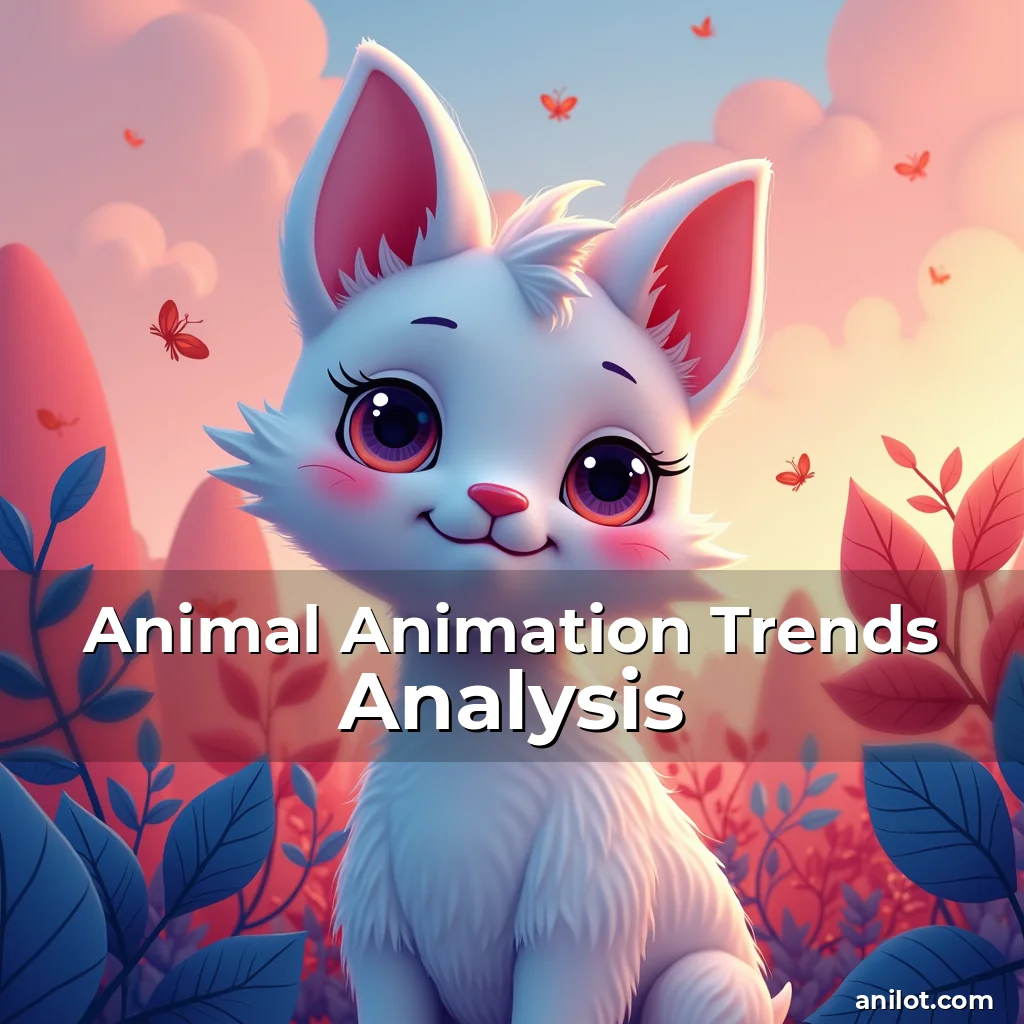
Animal Animation Trends Analysis
The world of animal animation has evolved dramatically over recent years, driven by technological advancements and shifting audience preferences. As creators explore new ways to bring animals to life on screen, we see exciting innovations shaping how these characters are designed, animated, and integrated into storytelling.
This analysis delves into current trends transforming the industry, from hyper-realistic rendering techniques to emotionally resonant character development strategies. By examining patterns across film, television, streaming platforms, and independent projects, we uncover what’s driving the next wave of animal-centric animation.
The Rise of Hyper-Realism in Animal Animation
One of the most significant shifts in contemporary animation involves achieving unprecedented levels of realism in depicting animals. Studios now invest heavily in motion capture technology combined with advanced rigging systems to create lifelike movements and expressions.
Animators study real-world biology extensively before beginning production, ensuring accurate musculature, gait patterns, and behavioral traits. This dedication results in animations where creatures appear almost indistinguishable from their live counterparts under close inspection.
- Biological Accuracy: Detailed research ensures correct anatomical proportions and movement mechanics
- Motion Capture Integration: Live-action reference helps achieve naturalistic movement patterns
- Texture Simulation: Advanced shaders replicate realistic fur, scales, and skin textures
While some purists argue that perfect realism can diminish artistic expression, many creators find that enhanced believability allows audiences to connect more deeply with animal characters during emotional scenes.
The trend toward hyper-realism is particularly evident in nature documentaries and films featuring talking animals that maintain physical authenticity while expressing human-like emotions through subtle facial cues.
Evolving Narrative Approaches to Animal Characters
Modern animation increasingly treats non-human characters as fully realized individuals rather than mere plot devices. Writers craft complex backstories and motivations that reflect animal behaviors without anthropomorphizing them excessively.
Animated features like Kung Fu Panda demonstrate how animal characters can have distinct personalities shaped by species-specific instincts. Po the panda’s gentle demeanor aligns naturally with his biological makeup yet still allows room for personal growth.
Critically acclaimed series such as Paw Patrol balance educational value with entertainment by portraying rescue dogs with specialized skills based on their breeds. These narratives subtly teach viewers about canine behavior while maintaining engaging storylines.
In children’s programming, animators carefully calibrate emotional range so young audiences understand animal perspectives without confusing them. This approach fosters empathy while respecting cognitive developmental stages.
Technological Innovations Driving New Possibilities
Rapid developments in computer graphics software continue expanding creative possibilities for animal animation. Real-time rendering engines enable artists to preview changes instantly, drastically reducing iteration time compared to traditional pipeline methods.
Artificial intelligence tools now assist in generating realistic animal movement patterns automatically, allowing animators to focus more on expressive elements rather than mechanical aspects. Machine learning algorithms analyze vast libraries of footage to suggest naturalistic motions.
Cloud-based collaboration platforms facilitate global teamwork on ambitious projects, enabling specialists worldwide to contribute expertise simultaneously. This interconnected workflow accelerates production timelines significantly.
Volumetric capture technologies allow full-body scanning of living animals, providing precise data for digital recreations. This capability opens doors for interactive experiences where users can engage with photorealistic animal avatars.
Emerging Styles and Aesthetic Directions
A growing number of studios experiment with stylized approaches that blend realism with imaginative interpretations. This hybrid style allows creative freedom while retaining enough biological plausibility to maintain viewer engagement.
Some productions adopt exaggerated proportions typical of classic cartoon aesthetics but apply them selectively to emphasize certain characteristics. For example, oversized eyes might convey emotion more effectively while keeping overall anatomy proportionate.
Color palettes evolve continuously as artists seek fresh visual languages. Recent works feature bold, unconventional color schemes that challenge traditional expectations of animal appearances while enhancing narrative themes.
Environmental design principles influence how animals interact with settings. Architects within animation teams collaborate closely with biologists to ensure habitats look authentic while supporting compelling visual compositions.
Diversity and Inclusion in Animated Creatures
The representation of diverse animal species receives increasing attention as creators aim for broader inclusivity. Productions now deliberately include lesser-known species alongside common ones to expand cultural awareness.
Animal characters often serve as metaphors for social issues when crafted thoughtfully. Stories exploring topics like environmental conservation use various species to illustrate ecological interdependence.
Cultural sensitivity guides portrayals of mythical beasts from different traditions. Careful consultation with experts prevents misrepresentation and honors source material respectfully.
Accessibility initiatives extend beyond language translation; they involve creating animations that accommodate neurodiverse audiences through sensory-friendly designs and alternative narration options.
Sustainability Practices in Production Processes
Eco-conscious studios implement green policies that reduce environmental impact without compromising quality. Energy-efficient rendering farms minimize carbon footprints associated with high-performance computing needs.
Paperless workflows utilizing digital asset management systems decrease resource consumption related to physical materials traditionally used in pre-production phases.
Recycling programs for outdated hardware help divert electronic waste from landfills while supporting communities through tech donation drives.
Collaboration with conservation organizations leads to co-created content promoting wildlife protection efforts, using animation as both art form and advocacy tool.
The Future Landscape of Animal Animation
Ongoing research in biomechanics promises even more lifelike creature simulations in future projects. Scientists and animators work together to model muscle structures precisely, leading to unprecedented fluidity in animated movements.
Virtual reality applications open up immersive experiences where audiences can observe animals in simulated environments. This format offers unparalleled opportunities for education and conservation messaging.
Interactive media formats allow users to shape narratives involving animal characters, creating personalized stories based on player choices and actions.
Ethical considerations regarding AI-generated animation will become crucial as automated processes play larger roles in content creation. Balancing efficiency gains against potential loss of artisanal craftsmanship remains an ongoing discussion among professionals.
Conclusion
The evolution of animal animation reflects broader societal changes and technological progressions. From technical achievements to philosophical questions about representation, the field continues to push boundaries creatively and responsibly.
As enthusiasts and practitioners alike navigate these changing landscapes, staying informed about emerging trends enables better decision-making whether crafting original content or appreciating existing works within this dynamic medium.

news is a contributor at AniLot.com. We are committed to providing well-researched, accurate, and valuable content to our readers.
You May Also Like

About the Author
Related Articles
Cutest Funny Animal Videos
Cutest Funny Animal Videos That Will Leave You Laughter-Hoarse Funny animal videos have become a…
Animated Animal Content Monetization
Animated Animal Content Monetization Strategies for Creators In today’s digital landscape, animated animal content has…

Binge-Worthy Animated Series
Binge-Worthy Animated Series That Redefine Storytelling In recent years, animated series have evolved far beyond…