
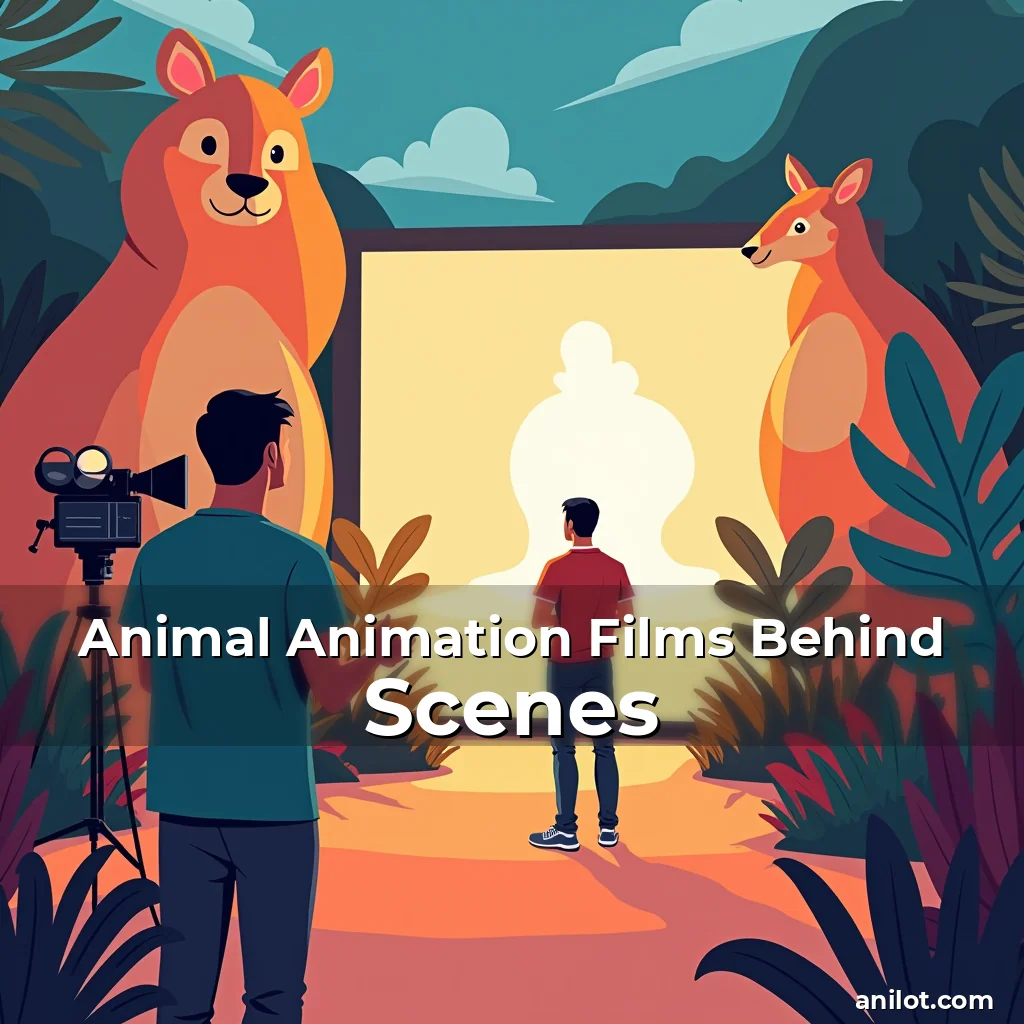
The Secret World of Animal Animation: Crafting Life Through Motion
In the vibrant realm of animation, animal characters have long captivated audiences with their charm and relatability. From classic tales featuring anthropomorphic creatures to modern cinematic masterpieces that blend realism with whimsy, animal animation has evolved into a sophisticated art form. This exploration delves into the intricate world behind these beloved animated films.
By examining the techniques, technologies, and storytelling nuances involved in creating animal animations, we uncover how animators breathe life into every paw print and tail flick. These films not only entertain but also educate, often serving as gateways to environmental awareness and empathy towards wildlife.
The Artistic Evolution of Animal Characters
Animal characters have transformed dramatically over decades, reflecting both technological advancements and shifting cultural narratives. Early examples featured simplistic designs limited by primitive technology, yet they laid foundational principles still used today.
As computer-generated imagery matured, filmmakers began exploring new dimensions of expression through fur simulation and muscle dynamics. These innovations allowed for unprecedented levels of realism without sacrificing character appeal.
- Fur Simulation: Advanced algorithms now replicate natural hair movement across various textures and climates, from sleek feline coats to coarse bear fur.
- Muscle Dynamics: Real-time physics engines enable accurate depiction of skeletal structure interactions during complex motions like running or jumping.
Animators balance scientific accuracy with creative interpretation when designing animal characters. They study real-world anatomy while incorporating fantastical elements that enhance narrative possibilities.
This duality creates memorable personalities that resonate emotionally with viewers. A well-designed animal character can convey nuanced expressions comparable to human actors through careful motion design.
Technological Innovations Driving Modern Animations
Recent breakthroughs in motion capture technology have revolutionized how animators translate live-action performances into digital formats. Performers wear specialized suits embedded with sensors that track minute body movements with incredible precision.
These data points are then processed using AI-driven software which extrapolates additional information about weight distribution, limb positioning, and facial micro-expressions. The result is highly realistic animal behavior patterns integrated seamlessly into digital environments.
Advancements in Facial Expression Technology
A groundbreaking development involves photorealistic rendering of facial features specifically tailored for different species. Researchers at leading studios have developed algorithms capable of mapping human emotions onto animal faces authentically.
For instance, subtle eye movements and ear positions can be programmed to express curiosity, fear, or affection accurately. This level of sophistication allows for deep emotional connections between audience members and fictional animals.
Facial rigging systems now allow animators to manipulate thousands of individual points simultaneously. This enables precise control over everything from lip flaps to whisker twitches during dialogue scenes.
Such technical mastery ensures that even non-verbal communication remains expressive and meaningful within the narrative context. Audiences interpret these visual cues instinctively, enhancing overall engagement.
Crafting Believable Animal Behaviors
Creating convincing animal behaviors requires extensive research into zoology and ethology. Animators consult experts who provide insights into natural habitats, social structures, and survival instincts relevant to each species depicted.
Detailed reference materials include high-speed footage capturing rapid movements, anatomical diagrams illustrating musculature, and behavioral studies documenting interaction patterns among animals in the wild.
- Habitat Research: Filmmakers often visit actual locations where target species reside to gather authentic environmental details that inform set design and lighting choices.
- Social Behavior Studies: Understanding pack mentality in wolves or cooperative hunting strategies in dolphins helps create more realistic group interactions in animated sequences.
Animators must also consider physiological limitations when choreographing actions. For example, elephants cannot perform acrobatic feats due to their massive size and bone density, whereas squirrels exhibit remarkable agility enabled by lightweight skeletons.
Timing and rhythm play crucial roles in conveying believable animal motion. Subtle variations in gait speed, head bobbing frequency, and limb swing amplitude differentiate between species convincingly.
Narrative Structures Unique to Animal-Themed Stories
Stories centered around animal protagonists frequently employ distinct narrative frameworks compared to human-centric plots. These structures often emphasize themes of cooperation, survival, and ecological harmony.
Films may follow seasonal cycles mirroring natural rhythms, with plot developments aligned to migration patterns or breeding seasons. Such timing reinforces authenticity while maintaining dramatic tension.
- Survival Arcs: Many stories revolve around overcoming environmental challenges, showcasing problem-solving abilities inherent to certain species.
- Cooperative Narratives: Tales highlighting interspecies collaboration demonstrate mutual benefit scenarios observed in nature, such as symbiotic relationships between birds and mammals.
Character motivations tend to align closely with biological needs rather than abstract desires seen in human dramas. Hunger, reproduction, territory defense become central driving forces shaping plot trajectories.
Conflict resolution mechanisms often reflect innate animal tendencies toward reconciliation through ritualized displays instead of violent confrontations typical in human conflicts.
Educational Value Embedded in Entertainment
While primarily designed for entertainment purposes, many animal animation films contain substantial educational components that subtly influence viewer perceptions about wildlife conservation efforts.
Accurate depictions of ecosystems encourage appreciation for biodiversity, while portraying endangered species raises awareness about habitat destruction issues affecting real populations globally.
- Biodiversity Education: Animated documentaries use stylized visuals to illustrate complex food chains and interdependent relationships within ecosystems.
- Conservation Awareness: Storylines emphasizing threats posed by climate change or poaching operations prompt discussions about environmental responsibility.
Interactive features in some productions allow audiences to explore virtual habitats, fostering deeper understanding through experiential learning opportunities unavailable in traditional media formats.
Studies show that children exposed regularly to scientifically informed animal animations develop stronger empathetic responses toward wildlife protection initiatives later in life.
Cultural Perspectives Shaping Animal Representations
Historical interpretations of animals vary significantly across cultures, influencing contemporary portrayals found in modern animation cinema. Ancient myths often imbued creatures with supernatural qualities representing moral lessons or divine messages.
Asian folklore frequently depicts animals as wise mentors or trickster figures embodying philosophical teachings. Western traditions similarly feature talking beasts imparting wisdom though cautionary tales.
- Mythological Influences: Dragons appear in Chinese mythology symbolizing power and prosperity, contrasting sharply with European depictions emphasizing chaos and destruction.
- Symbolic Meanings: Certain species carry universal associations – eagles represent freedom, snakes signify danger – which continue to shape character archetypes despite evolving artistic styles.
Modern creators navigate these symbolic landscapes carefully, balancing tradition with innovation to craft universally appealing narratives that respect cultural heritage while remaining accessible to global audiences.
Global collaborations between studios facilitate cross-cultural exchange, resulting in hybrid storytelling approaches that enrich the genre with diverse perspectives and values.
Behind-the-Scenes Collaborations in Major Productions
Create-a-major-animal-animation-film demands multidisciplinary teamwork spanning departments specializing in modeling, texturing, rigging, and compositing. Each phase requires seamless coordination between artists working remotely worldwide.
Voice actors contribute vital input by providing vocal references that guide mouth shape animations essential for synchronized speech delivery. Their performances help define character personality traits visually.
- Voice Direction: Directors work closely with performers to elicit appropriate emotional tones matching scene requirements while preserving vocal uniqueness.
- Performance Capture: Actors wearing motion tracking suits bring physicality to characters whose appearances differ vastly from humans, ensuring believable movement patterns.
Scientists serve as consultants offering expertise on animal physiology and behavior, preventing factual inaccuracies that could undermine credibility. Their involvement ensures plausible representations of real-life counterparts.
Environmental artists construct immersive worlds replicating natural settings accurately. They pay meticulous attention to atmospheric effects, vegetation types, and terrain features characteristic of each location depicted.
Pioneering Studios Leading the Charge
Leading animation houses invest heavily in R&D to push boundaries continually. Pixar’s work on Ratatouille showcased revolutionary fur simulation techniques previously unseen in mainstream cinema.
Studio teams maintain open lines of communication across departments through centralized asset management systems. These platforms ensure consistency between models created by sculptors and those used by animators during production phases.
- Research Initiatives: Dedicated labs focus exclusively on developing new tools addressing industry-specific challenges related to organic shapes and fluid simulations.
- Talent Development Programs: Mentorship opportunities help emerging artists gain hands-on experience with cutting-edge software before assuming full responsibilities independently.
Collaboration extends beyond studio walls through partnerships with universities conducting biometric studies that refine how animated creatures move realistically under varying conditions.
These institutions share findings openly with the creative community, accelerating progress while maintaining ethical standards regarding animal welfare considerations during research activities.
Future Directions for Animal Animation
Ongoing advancements promise exciting possibilities for upcoming projects aiming to redefine what’s achievable within the medium. Emerging technologies may soon enable fully autonomous AI-assisted animation processes reducing manual labor required traditionally.
Virtual reality integration offers interactive experiences allowing users to engage with animated worlds actively rather than passively observing pre-rendered scenes on screens.
- AI Integration: Machine learning algorithms analyze vast datasets of animal movements automatically generating preliminary animation drafts for human refinement.
- Immersive Experiences: VR platforms permit firsthand observation of simulated ecosystems helping researchers better understand animal behavior in controlled environments.
Augmented reality applications might transform public spaces into dynamic exhibition areas displaying lifelike projections of rare or extinct species interacting with visitors safely.
Evolving storytelling methods will likely incorporate branching narratives responding dynamically to user inputs, creating personalized viewing experiences adaptable to individual preferences.
Conclusion
The evolution of animal animation reflects humanity’s enduring fascination with the natural world expressed through ever-improving artistic mediums. As technology advances, so too does our capacity to tell compelling stories that bridge imagination and reality.
Whether educating young minds about conservation or entertaining adults with imaginative adventures, animal animation continues to inspire wonder and foster deeper connections between people and the living world surrounding them.

news is a contributor at AniLot.com. We are committed to providing well-researched, accurate, and valuable content to our readers.
You May Also Like




About the Author
Related Articles
Animal Animation Films Box Office
The Animal Animation Film Industry: A Deep Dive Into Its Global Impact and Cultural Significance…
Animal Cartoons Saturday Morning
Animal Cartoons Saturday Morning The world of animal cartoons has captivated generations of viewers, blending…
Pet Animation Drawing Tutorial
Whiskers in Motion: A Pet Animation Masterclass Pet animation brings life to our favorite furry…