


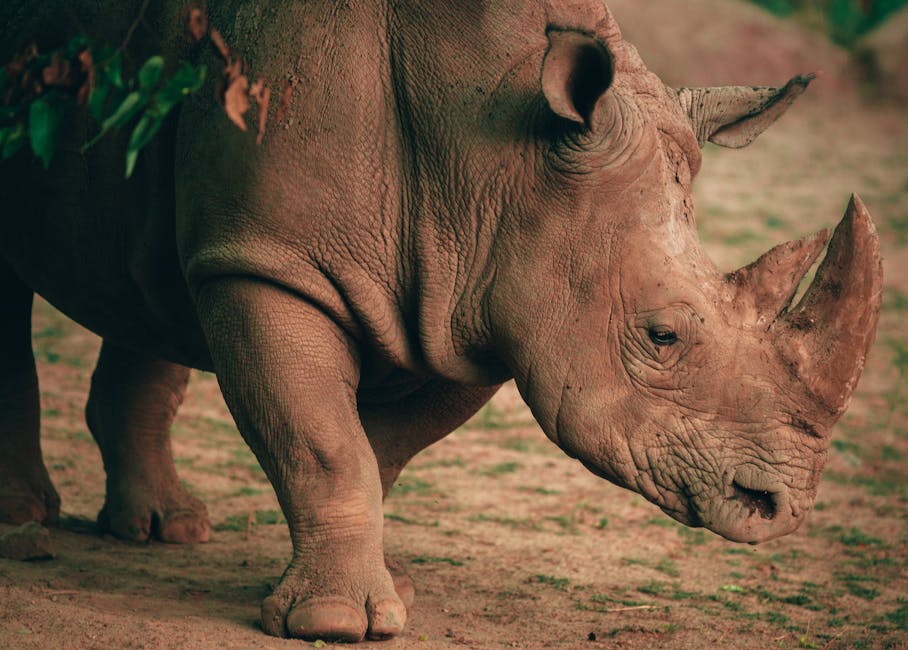
The Evolution of Animal Animation: Trends Shaping the Future of Creature Design
In recent years, the realm of animal animation has undergone a remarkable transformation, driven by technological advancements and shifting creative paradigms. From classic hand-drawn techniques to cutting-edge digital simulations, the way we bring animals to life on screen continues to evolve rapidly.
This dynamic field not only captivates audiences with its visual appeal but also serves as a powerful tool for storytelling, education, and environmental advocacy. As creators push boundaries, new trends emerge that redefine what is possible in the world of animated creatures.
Technological Innovations Redefining Animal Animation
One of the most significant drivers behind modern animal animation is the relentless progress in computer graphics and artificial intelligence. These technologies enable animators to achieve unprecedented levels of detail and realism in their work.
Advanced rendering engines now allow for hyper-realistic textures and movements that closely mimic actual animal behavior. This level of precision opens up exciting possibilities for both feature films and interactive media experiences.
- Creative freedom through procedural generation: Tools like Houdini and Unreal Engine empower artists to simulate natural phenomena such as fur dynamics, water interactions, and realistic physics without manual frame-by-frame adjustments.
- AI-assisted character development: Machine learning algorithms analyze vast libraries of real-world footage to suggest optimal movement patterns, helping maintain biological accuracy across various species.
These breakthroughs are revolutionizing traditional workflows, allowing teams to produce high-quality content faster than ever before. Studios can now experiment with more ambitious projects knowing their technical constraints have significantly expanded.
The integration of virtual production techniques further enhances this process by enabling real-time previews during filming sessions. Directors can make instant decisions based on live feedback rather than waiting weeks for rendered test sequences.
The Rise of Hybrid Species in Animated Storytelling
A growing trend in contemporary animal animation involves creating entirely fictional creatures that blend characteristics from multiple species. This approach offers fresh opportunities for narrative exploration and visual creativity.
Designers are increasingly combining elements from vastly different animals to
Creators leverage algorithmic recommendations to reach targeted demographics, often resulting in viral sensations overnight. Hashtag campaigns centered around particular animal characters can drive massive traffic spikes within hours.
This rapid dissemination creates both opportunities and challenges for producers aiming to maintain quality standards amidst the fast-paced nature of social media consumption.
Futuristic Directions in Animal Animation Technology
Looking ahead, emerging fields like neural interfaces and quantum computing may soon transform animal animation once again. Researchers are already experimenting with brain-computer interfaces that could translate neural signals into motion captures.
Quantum simulation models promise to revolutionize biomechanics studies, potentially leading to completely new approaches in depicting animal locomotion and interaction mechanics.
As these innovations develop, ethical considerations will play a crucial role in shaping future practices. Balancing technological advancement with responsible usage will remain paramount for the industry.
Despite uncertainties surrounding these developments, one thing remains clear: the intersection of biology, art, and technology will continue driving groundbreaking transformations in how we portray animals in animation.
Conclusion
The landscape of animal animation is constantly evolving, shaped by advances in technology, shifts in cultural values, and the enduring fascination humans hold for the animal kingdom.
To stay connected with the latest trends and innovations, consider joining specialized forums, attending industry conferences, and exploring academic publications focusing on computational biology and digital arts. Engaging with these resources will help you appreciate the intricate dance between science and imagination that defines this vibrant field.


news is a contributor at AniLot.com. We are committed to providing well-researched, accurate, and valuable content to our readers.
You May Also Like

Latest Animal Animation Trends
The Evolution of Animal Animation: Innovations Shaping the Future of Creature Design In recent years, animal animation has emerged as...
Animal Characters Costume Design
The Enchanting World of Animal Character Creation: A Deep Dive into Storytelling Through Nature's Creatures In a world where imagination...
Making Funny Animal Videos
The Joy of Capturing and Sharing Hilarious Animal Moments Online Funny animal videos have become a global phenomenon, bringing laughter...
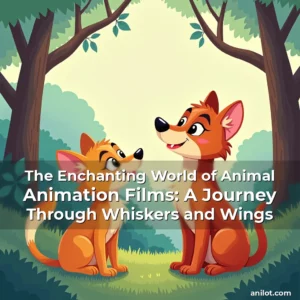
The Enchanting World of Animal Animation Films: A Journey Through Whiskers and Wings
The Enchanting World of Animal Animation Films: A Journey Through Whiskers and Wings In recent years, the realm of animated...