
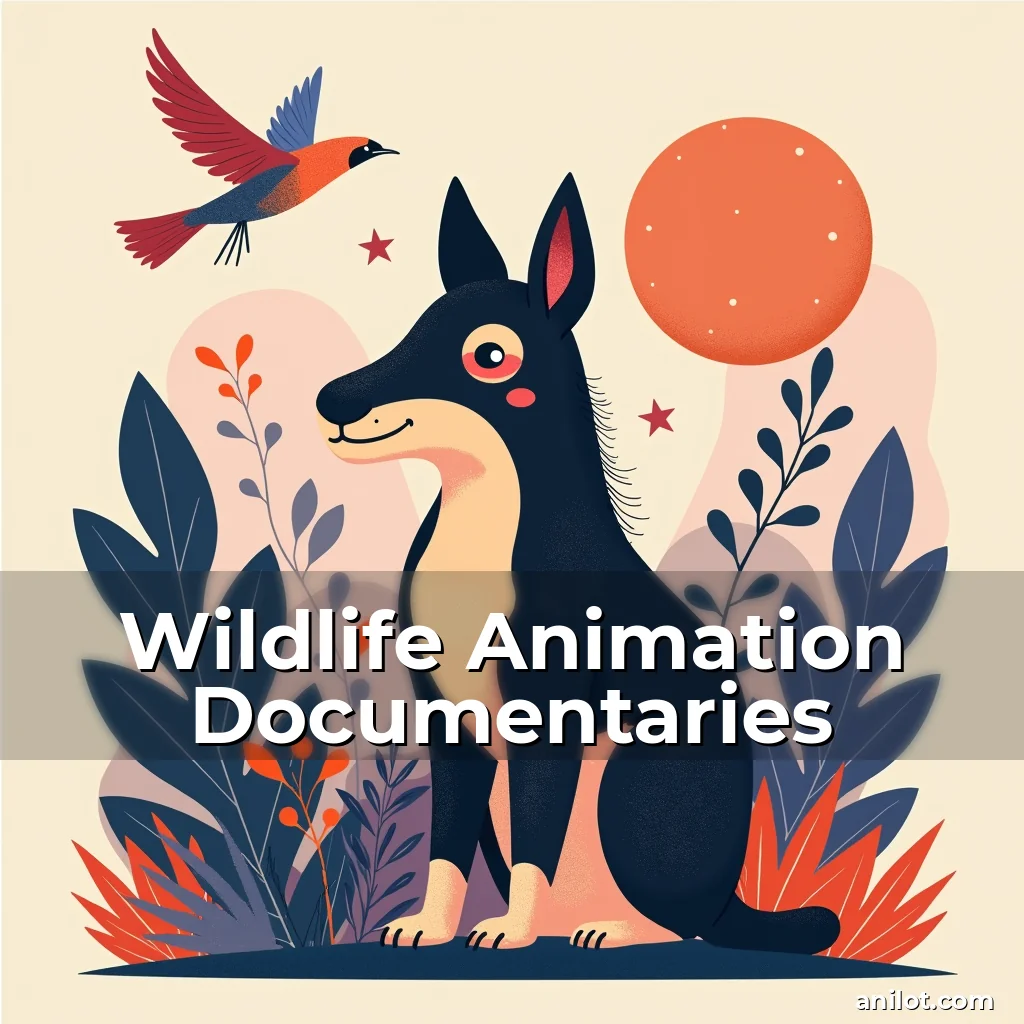
Wildlife Animation Documentaries: A Gateway to Nature’s Hidden Worlds
Wildlife animation documentaries are captivating visual experiences that bring the natural world to life through artistry and technology. These productions blend factual storytelling with creative animation techniques to educate and inspire audiences about the complexities of ecosystems and animal behavior.
From vibrant rainforests to arctic tundras, wildlife animation documentaries offer viewers a front-row seat to nature’s most extraordinary moments without disturbing its inhabitants. This unique approach allows both scientists and casual observers to explore environments they might never physically visit.
The Evolution of Wildlife Animation Techniques
The journey from hand-drawn sketches to digital masterpieces has transformed how we perceive wildlife. Early animators used traditional methods such as cel animation, where each frame was painstakingly painted onto transparent sheets.
With advancements in computer-generated imagery (CGI), modern filmmakers can create hyper-realistic animations that rival live-action footage. This evolution enables precise depictions of animals’ movements, expressions, and interactions within their habitats.
Cel animation required artists to draw every single movement by hand, resulting in time-consuming yet expressive results. The process often took months just to animate a few minutes of footage due to the sheer volume of frames involved.
Digital tools now allow animators to manipulate textures, lighting, and motion with unprecedented control. Software like Maya and Blender provides real-time rendering capabilities, drastically reducing production timelines while maintaining artistic integrity.
Despite technological progress, some studios still prefer hybrid approaches combining traditional and digital elements. This fusion preserves the charm of classic animation styles while leveraging contemporary efficiency improvements.
- Traditional vs. Digital: While traditional techniques emphasize manual craftsmanship, digital solutions prioritize speed and precision in creating complex scenes.
- Educational Value: Both methodologies contribute uniquely to educational purposes; traditional methods may enhance storytelling depth whereas digital formats enable wider accessibility through streaming platforms.
The Art of Storytelling Through Animated Narratives
Compelling narratives lie at the heart of successful wildlife animation documentaries. Creators must balance scientific accuracy with engaging story arcs that resonate emotionally with diverse audiences.
Animators craft stories around individual animals or entire species facing challenges such as environmental threats or migration patterns. These plots mirror human struggles but maintain authenticity rooted in biological realities.
Viewers connect more deeply when characters exhibit relatable traits—curiosity, perseverance, fear—and face obstacles similar to those encountered daily by humans. Such parallels foster empathy towards non-human beings.
Sound design plays a crucial role alongside visuals in constructing immersive worlds. From subtle rustling leaves to distant predator calls, audio layers enrich viewer experience significantly.
Sometimes, fictionalized scenarios are employed sparingly under strict ethical guidelines to dramatize events that would otherwise be too rare or dangerous to film directly. Transparency remains essential regarding which parts remain speculative versus documented facts.
Balancing Fact and Fiction in Animations
American documentary filmmaker David Attenborough once noted that “the best documentaries make you feel something.” In animated versions, achieving emotional impact requires careful calibration between informative content and narrative embellishment.
Producers must ensure that any artistic license taken does not distort core messages about conservation efforts or ecological balance. Ethical considerations guide decisions made during scriptwriting stages involving anthropomorphization levels appropriate for target demographics.
Data-driven research supports accurate portrayals even within stylized contexts. Scientists collaborate closely with animation teams providing behavioral data ensuring fidelity despite stylistic choices applied post-research validation phases.
This synergy ensures that while creativity flourishes visually, educational value remains intact across generations who watch these programs seeking knowledge rather than mere entertainment value alone.
Technological Innovations Shaping Modern Productions
Recent years have witnessed groundbreaking developments enhancing realism and interactivity in wildlife animation documentaries. Virtual reality (VR) headsets immerse users inside simulated environments offering unparalleled engagement opportunities previously unattainable via conventional screens.
Artificial intelligence algorithms assist animators predict optimal camera angles based upon pre-recorded animal behaviors captured using drones equipped with high-resolution cameras capable operating undetected among wild populations.
These innovations allow creators greater flexibility experimenting with dynamic perspectives capturing nuances only visible from specific vantage points unreachable manually without disrupting subjects being filmed.
In addition, machine learning models analyze vast datasets identifying common behavioral sequences enabling automated generation of realistic animations matching observed actions precisely yet efficiently compared against manually crafted alternatives traditionally favored industry standards until recently.
Environmental Conservation Messages Embedded Within Content
Much wildlife animation focuses explicitly on raising awareness concerning pressing global issues affecting biodiversity today including habitat destruction climate change pollution etcetera.
By illustrating consequences faced by various species due largely attributable factors mentioned above producers aim instill sense urgency prompting changes behaviors attitudes policies impacting planet positively long term.
Animated sequences depicting deforestation processes followed immediately afterwards showing reduced bird populations serve concrete examples linking human activities directly negative outcomes experienced wildlife communities globally.
Such depictions encourage viewers reflect critically upon personal consumption habits industrial practices governmental regulations potentially altering trajectory current crisis situations unfolding rapidly worldwide right now.
Global Collaborations Driving Industry Growth
International partnerships play vital roles advancing quality innovation sharing resources expertise promoting cross-cultural understanding respecting indigenous knowledge systems integral sustainable development initiatives everywhere globally.
Co-productions between countries facilitate exchange ideas technologies allowing access exclusive locations equipment normally unavailable locally enhancing overall richness diversity offerings available public regardless geographical origins individuals reside.
Collaborative projects also help address language barriers making information accessible broader audiences appreciating benefits multilingual narration subtitles accompanying visual components effectively conveying intended messages accurately universally.
Fostering mutual respect cultural sensitivities particularly significant representing regions home unique fauna flora requiring consultation local experts guaranteeing respectful portrayal traditions beliefs associated particular ecosystems studied depicted authentically faithfully.
Educational Applications Beyond Traditional Media Platforms
Wildlife animation extends far beyond television reaching classrooms libraries museums interactive exhibits kiosks augmented reality installations situated public spaces institutions dedicated learning dissemination knowledge acquisition skills development lifelong education pursuits.
Interactive modules let students virtually dissect virtual organisms safely examine internal structures functions without harming actual specimens reinforcing comprehension retention critical thinking abilities necessary mastering subject matter thoroughly comprehensively.
Augmented reality overlays provide additional context layers superimposing digital information physical surroundings helping bridge gap theoretical practical applications simultaneously improving spatial awareness analytical problem solving competencies amongst learners exposed innovative teaching modalities.
Moreover, mobile apps developed specifically tailored age groups deliver bite-sized lessons featuring gamified quizzes puzzles rewarding correct answers encouraging active participation fostering intrinsic motivation driving continuous improvement academic performance measurable over periods tracking progress systematically objectively.
The Future Landscape of Wildlife Animation
Ongoing research investments promise further enhancements upcoming decades transforming field entirely redefining possibilities existing boundaries currently perceived limitations applicable sectors concerned preservation propagation ecological wisdom humanity shares Earth together.
Emerging trends suggest increased integration artificial intelligence automation streamlining workflows minimizing redundancies optimizing resource allocation maximizing output volumes maintaining consistent standards excellence consistently achieved across varied productions undertaken organizations alike pursuing same goals collectively.
Potential breakthroughs include biometric sensors embedded animated figures detecting physiological responses adjusting accordingly simulating lifelike reactions according stimulus received instantaneously without need pre-programmed scripts limiting adaptability spontaneity inherent living creatures naturally display everyday circumstances.
As society becomes increasingly aware interconnectedness all forms life planetwide attention devoted wildlife animation will continue expanding influencing future generations shaping perceptions responsibilities stewards environment entrusted care protection inherited legacy preserved passed down ages ahead.
Conclusion
Wildlife animation documentaries represent powerful medium bridging gap between science popular culture fostering deeper connections audiences nature’s wonders through imaginative expression grounded solid research foundations.
To fully appreciate these remarkable works consider exploring curated lists top-rated titles available streaming services attending festivals showcases celebrating achievements professionals passionate dedicating careers bringing unseen stories light using cutting-edge tools techniques continually evolving landscape media industry.
About the Author

Related Articles
Wildlife Animation National Geographic
Wildlife Animation National Geographic In recent years, wildlife animation has emerged as a powerful medium…
The Artistry of Wildlife Animation: Bringing Nature’s Wonders to Life Through Digital Storytelling
The Artistry of Wildlife Animation: Bringing Nature’s Wonders to Life Through Digital Storytelling In the…
Creating Wildlife Animation
The Art of Crafting Realistic Wildlife Animations: A Deep Dive into Nature’s Digital Realm In…