


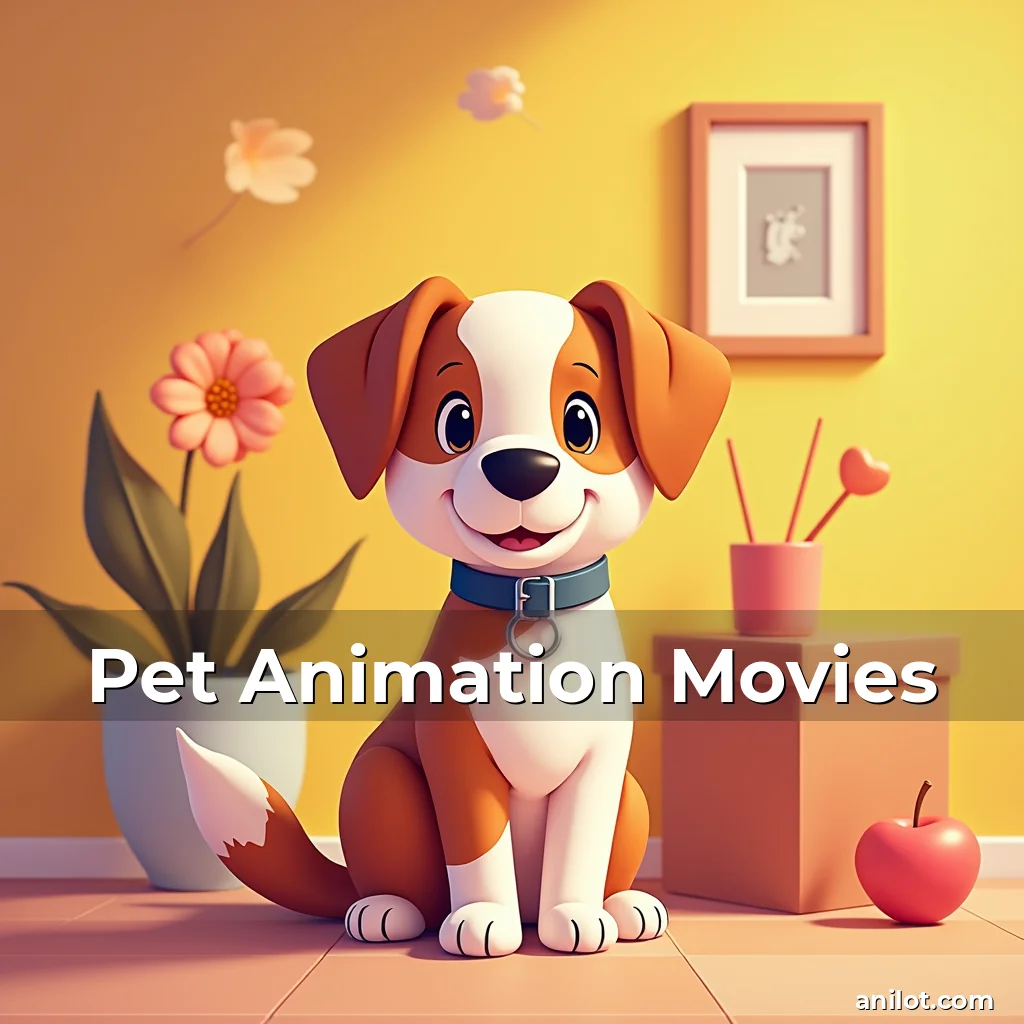
The Unique Appeal of Animal Characters in Animation
Animals offer an innate sense of innocence and curiosity that resonates well with viewers of all ages. Their non-verbal communication provides opportunities for creative storytelling without relying solely on dialogue.
This natural charm is amplified through animation, which allows artists to exaggerate features and expressions in ways that would be impossible in live-action films. From exaggerated tail wagging to wide-eyed wonderment, every movement can convey emotion effectively.
Cultural Influence Through Universal Themes
Stories featuring animal protagonists often explore universal themes like friendship, loyalty, and personal growth. These messages transcend language barriers and speak directly to fundamental human experiences.
Data shows that family-friendly pet animation films consistently rank among the highest-grossing movie categories globally. In 2022 alone, three major pet-themed animated releases earned over $800 million combined at the box office.
Character Development in Pet Animations
Creating well-rounded animal characters requires thoughtful world-building and careful consideration of species-specific behaviors. While anthropomorphism helps make them relatable, maintaining certain biological traits adds authenticity.
Filmographers must strike a balance between educational accuracy and narrative needs when designing these characters. For example, a dog protagonist might still bark realistically despite being able to talk, adding layers of complexity to interactions.
This delicate equilibrium enriches plotlines by allowing for unexpected developments based on actual animal instincts. Viewers appreciate seeing familiar behaviors given new meanings within fictional contexts.
- Talking animals: Dialogue enables direct exposition while preserving core characteristics through speech patterns
- Silent communication: Visual cues like body posture and eye contact convey subtler emotions without needing verbal input
Technological Advancements Shaping the Genre
Recent breakthroughs in motion capture and AI-assisted animation have revolutionized how animal characters are portrayed. These innovations allow for unprecedented levels of realism while maintaining artistic freedom.
For instance, digital fur simulation technologies enable animators to render individual hairs accurately, creating softness and movement that closely resembles real animals. This level of detail enhances immersion for spectators who want to believe they’re watching living creatures on screen.
At the same time, artificial intelligence tools help streamline production processes without compromising creative control. From automated scene generation to predictive editing systems, tech continues to push boundaries in pet animation filmmaking.
Celebrating Iconic Pet-Animated Films
A number of landmark productions have defined eras within the pet animation space. These classics continue to inspire contemporary creators while establishing benchmarks for future works.
“Lady and the Tramp,” released in 1955, pioneered the use of anthropomorphic canine protagonists long before CGI became commonplace. Its innovative perspective shots gave audiences a dog’s-eye view of the world unlike anything seen before in animated feature films.
“Chicken Little” (2002) showcased how everyday animals could become heroes in extraordinary circumstances. Its blend of slapstick comedy with heartfelt moments made it particularly appealing to younger demographics while remaining accessible to adults.
- Lifetime achievements awards: Many veteran animators received accolades specifically for pioneering work involving animal characters
- Studio milestones: Certain animation houses celebrate anniversaries tied directly to successful pet-related film franchises
Educational Value Embedded Within Entertaining Narratives
Beyond pure escapism, many pet animation films incorporate lessons about responsibility, empathy, and environmental awareness seamlessly within their storylines.
Animated documentaries focusing on wildlife conservation frequently employ pet-like characters as narrators, helping bridge gaps between factual information and emotional engagement. Younger audiences absorb these messages organically through enjoyable formats rather than dry lectures.
Environmental Messages Through Animal Lenses
Several recent productions tackle climate change issues by showing ecosystems from an animal perspective. This approach makes abstract concepts more tangible for children learning about global warming effects.
Statistics indicate that environmentally themed cartoons targeting youth show higher retention rates for sustainability principles compared to standard classroom teachings. Audiences remember vivid examples of forest destruction shown through endangered species’ eyes far better than textbook illustrations.
Pet Animation Across Different Cultures
Diverse regions contribute unique interpretations to pet-centered storytelling traditions. Cultural variations shape not only visual styles but also thematic focuses that distinguish national animation industries.
Japanese anime frequently explores deeper philosophical questions through talking animals, while Western approaches tend toward physical comedy rooted in observable feline and canine behaviors. Both perspectives enrich the global tapestry of pet animation offerings available today.
- Traditional art forms: Some countries integrate indigenous drawing methods with modern animation techniques to preserve heritage during production
- Musical influences: Regional soundtracks often feature folk instruments played by characters themselves within animated scenes
The Business Side of Pet Animation Production
Hollywood studios carefully calculate market demands before greenlighting any project. Pet animation remains a profitable sector due to strong cross-promotion opportunities spanning merchandise lines and theme park attractions alike.
Franchise building strategies focus on creating universes where animals interact with other fantastical beings. This expansion keeps intellectual property viable across multiple media platforms without losing core identity established initially.
The Future Landscape of Pet Animation
Ongoing research suggests interactive elements may soon play greater roles in immersive pet experience storytelling. Virtual reality adventures starring favorite animal characters could become commonplace within next few decades.
Advances in augmented reality glasses promise experiences where viewers see animated pets interacting within real-world spaces. These hybrid realities blur lineages between fantasy and fact potentially redefining expectations for animated entertainment altogether.
Community Building Around Shared Love for Animals On Screen
Online forums dedicated entirely to discussing latest pet animation releases flourish constantly across social media platforms. Fans gather regularly to analyze plot structures, character arcs, and technical achievements behind popular series.
Conventions devoted purely to celebrating animated creatures bring together professionals working in field plus enthusiastic followers sharing appreciation for craft involved in bringing imaginary animals to life visually.
Preserving Tradition While Embracing Innovation
Despite rapid technological progress, some studios deliberately choose hand-drawn techniques exclusively for pet-centric projects. This dedication honors legacy of classic animation styles while offering fresh interpretations suitable for modern audiences too.
New generations of animators receive formal training emphasizing both traditional skills and cutting-edge software usage simultaneously preparing them capable handling any type challenge arising throughout careers whether involving computer-generated imagery or manually sketched frames.
Conclusion
Pet animation stands as vibrant testament humanity’s enduring relationship with domesticated creatures. Through cinematic lens we witness reflections of ourselves in eyes of fictional animals navigating parallel worlds filled with joy, adversity, triumph, and sometimes heartache mirroring our own lives closely.
As technology progresses further enabling ever more sophisticated representations of beloved companions on silver screens, one certainty holds firm: stories told through moving images will continue uniting us emotionally across vast distances until perhaps someday we achieve true telepathy with our furry friends whom currently rely upon these creative medium intermediaries expressing thoughts feelings intentions perfectly translated onto celluloid surfaces awaiting discovery by receptive hearts everywhere.


news is a contributor at AniLot.com. We are committed to providing well-researched, accurate, and valuable content to our readers.
You May Also Like

The Purr-fect Laughter: A Deep Dive Into the World of Funny Animal Videos
The Purr-fect Laughter: A Deep Dive Into the World of Funny Animal Videos In today's fast-paced digital age, where attention...
Animated Movies Emotional Scenes
The Timeless Magic of Animated Movies: A Journey Through Imagination and Emotion Animated movies have long held a special place...
Animation for Kids Learning
Animating Adventures: Fun & Educational Animation for Kids In today's digital age, animation has become a powerful tool for both...

Animated Movies for Adults
The Artistry Behind Animated Films: A Deep Dive Into Adult-Oriented Animation In recent years, animated films have evolved beyond their...